
AC Maintenance in Troy, OH
Air conditioners here run from June through August, so May is the time for a tune-up. Tell us about your system, and a licensed contractor who covers Miami County will get in touch.
Tell us about the job
It takes about a minute.
Three months of hard running
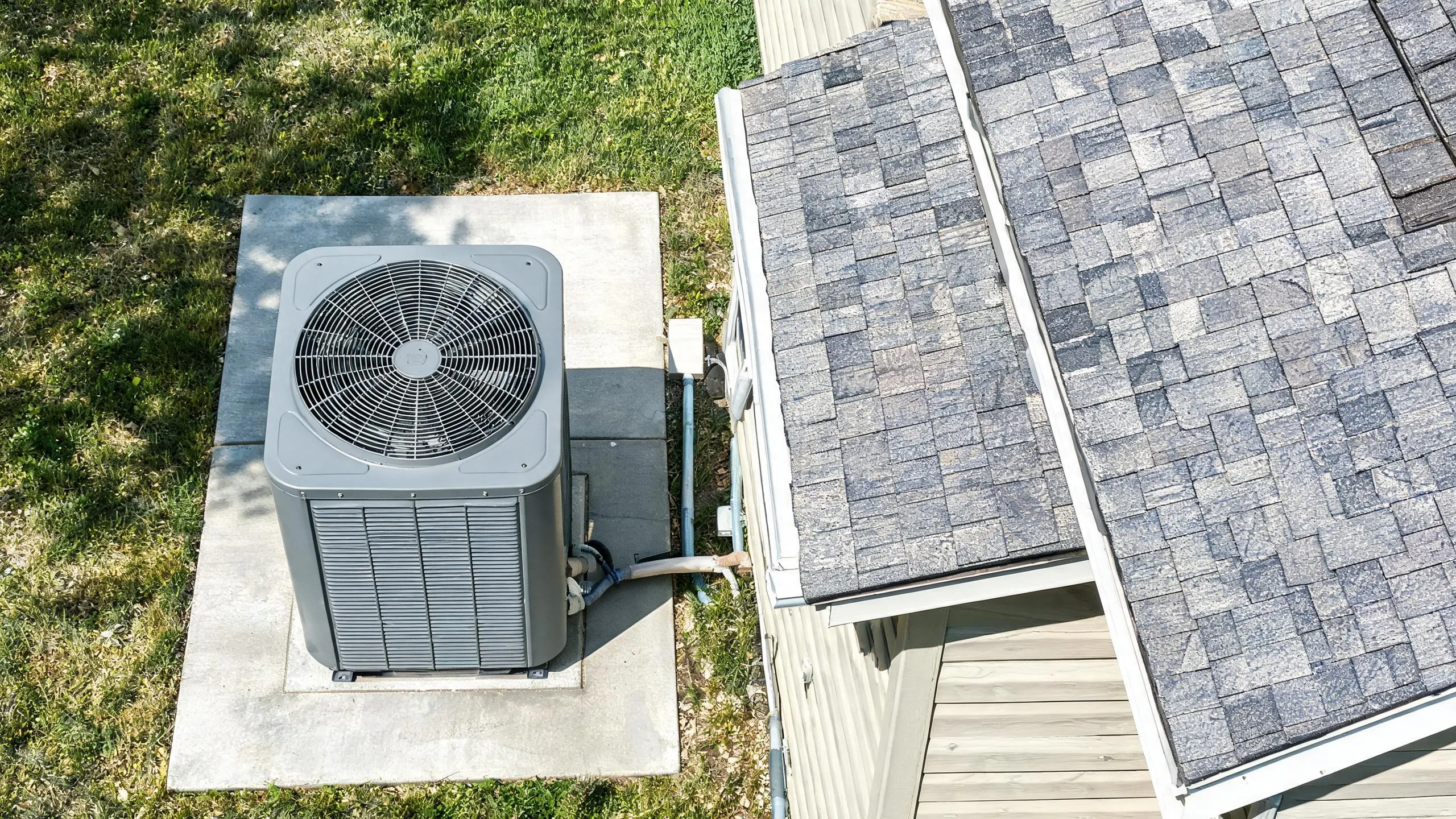
Your air conditioner in Troy gets three months to do its job, June through August, and it runs hard through all of them. Summer afternoons average 83°F, so the compressor cycles on and stays on for long stretches to keep up. That kind of steady demand wears on parts that sit idle the rest of the year.
Miami County has also seen its share of rough weather, with 18 hail events and 69 damaging wind events over the past ten years. Hail up to 1.5 inches can bend the fins on an outdoor coil, and wind can knock the unit out of level or loosen its connections. A tune-up before summer is the time to catch a bent coil, a low refrigerant charge, or a strained compressor before the hottest afternoon of the year finds it first.
- 3 months
- June through August, your air conditioner is on duty
- 83°F
- the average summer afternoon it cools against
- 18 hail events
- in ten years, and hail bends the fins on outdoor coils
- 69 wind events
- in ten years, and wind drives debris into outdoor units
NOAA nClimDiv, 1991–2020 normals

Book your AC tune-up in May, before homes here start needing cooling in June.
- Jan
- Feb
- Mar
- Apr
- May
- Jun
- Jul
- Aug
- Sep
- Oct
- Nov
- Dec
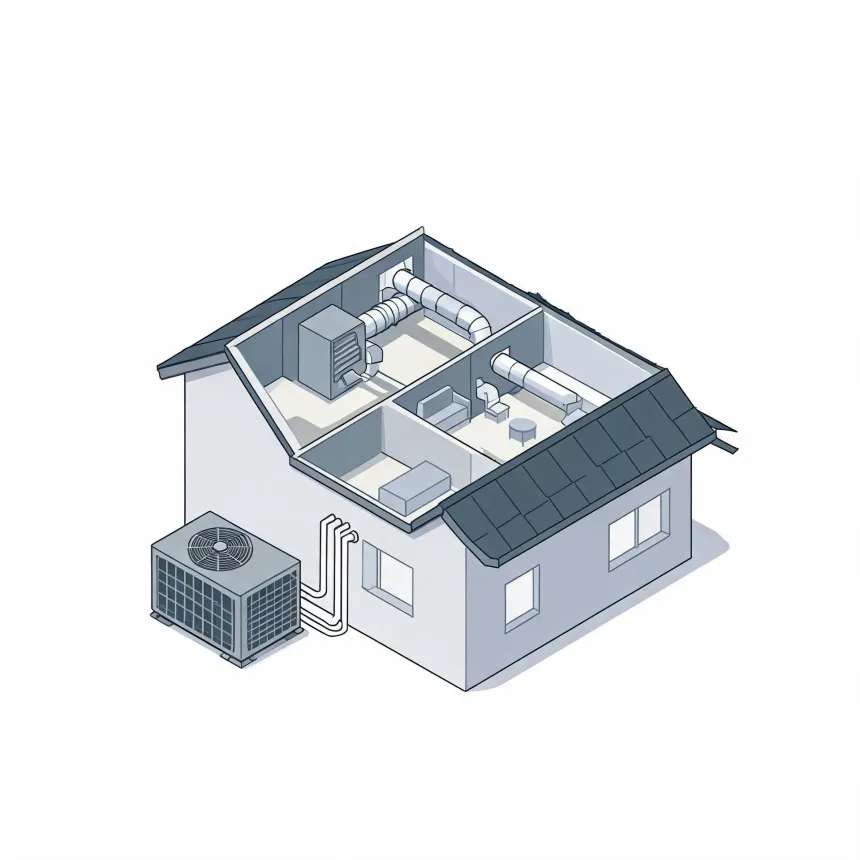
A tune-up checks the refrigerant charge, cleans the coils, tests the capacitor and tightens the electrical connections.
In Ohio, HVAC licensing for homes is left to the counties.
Miami County sets its own rule for who can do this work, since Ohio leaves HVAC licensing at the county level rather than issuing one itself. Ohio does define what counts as a home contractor, and that definition includes carrying at least $250,000 in liability insurance, but that is a description of the business, not a test anyone passed or a license the state tracks.
For a maintenance visit on your air conditioner, the protection that actually applies everywhere, including here, is federal. Any technician who opens the refrigerant side of your system has to hold EPA Section 608 certification, and that holds true no matter what county you live in. Maintenance on an air conditioner does not involve gas lines, so the part of this job that keeps a technician accountable is that federal certification, not a county license.
Source: Ohio Legislative Service Commission
- What does AC maintenance include?
- A technician cleans the condenser coil, checks the refrigerant charge, and tests the capacitor and contactor in the outdoor unit. Inside, they check the evaporator coil and the condensate drain, since a clogged drain can back up and shut the system down. They also check the thermostat and look over the electrical connections, since loose wiring is a common cause of no-cool calls. Replacing or cleaning the air filter usually happens too, since a dirty filter cuts airflow across the coil.
- How often does an air conditioner need maintenance?
- Once a year is standard, ideally in spring before the heat sets in. Here in Troy, cooling season runs June through August, so getting it done before June gives a technician time to order any part that needs replacing. Skipping a year does not usually break anything right away, but dirt on the coil and a low refrigerant charge both make the system work harder and cool less.
- Is AC maintenance worth it?
- Yes, because most of what causes an air conditioner to fail during the summer builds up slowly and gets caught during a checkup. A dirty coil, a weak capacitor, or a refrigerant leak all show up as reduced cooling before they cause a breakdown. Summer afternoons in Troy average 83°F, and a system that is already struggling has little room left when it has to run for hours straight. Troy has also seen 69 damaging wind events and 18 hail events over the past ten years, and a maintenance visit is when a technician would notice a dented coil or fin damage from that kind of weather.