 Get matched
How to lower your heating bill in an Ohio winter
A local pro who services furnaces gets in touch about the tune-up.
Your gas furnace is running most days from November through March, and in Ohio that adds up fast on a bill that's already higher than it used to be. A furnace that's never been cleaned or checked works harder than it should. Dirty burners, a clogged filter, a flame sensor coated in residue, any of these make the furnace run longer to put out the same heat.
Most of what drives that bill up has nothing to do with the thermostat setting. It's airflow the furnace isn't getting, or gas it isn't burning clean, or a blower motor pulling more power than it needs to. None of that shows up until someone opens the cabinet and looks.
Finding a furnace technician who actually shows up and does a thorough job isn't always simple. Some outfits are booked out for weeks once it gets cold. Some rush the visit. You don't need a lecture on how furnaces work. You need someone local, available, and reliable to come look at yours.
That's what happens here. Tell the page a little about your furnace and your situation in Ohio, and it gets matched to a contractor who takes on work like yours. They'll reach out to you directly. No more calling around, comparing names you don't recognize, hoping the one you pick knows what they're doing.
Once that form is in, the search is done. You're not the one tracking down a contractor anymore. Someone who services furnaces in your area has your information and will follow up with you.
Winter in Ohio is long enough without paying more for heat than the furnace actually needs. The fix is usually smaller than people expect once someone's looked at it in person.
Why is my heating bill so high in the winter?
You're watching your gas bill climb every month from November through March and wondering if it has to be this way. Part of it is just Ohio winters asking a lot of your furnace. But a furnace that hasn't been serviced in a while is also spending gas it doesn't need to spend, and that difference shows up on the bill you're holding right now.
A furnace that's overdue for maintenance burns more gas to do the same job
Burners caked with soot and a filter packed with dust make a furnace run longer to heat the same rooms. The blower pulls harder, the burners fire longer, and the gas meter keeps turning. None of that shows up as a breakdown. It just shows up as a bill that's bigger than it should be for the same weather. A furnace that gets cleaned and checked before winter settles in doesn't have to work past what the job actually takes. That's the gap between a furnace running efficiently and one that's been left alone too long, and in a season that runs five months here, it adds up on every bill in between.
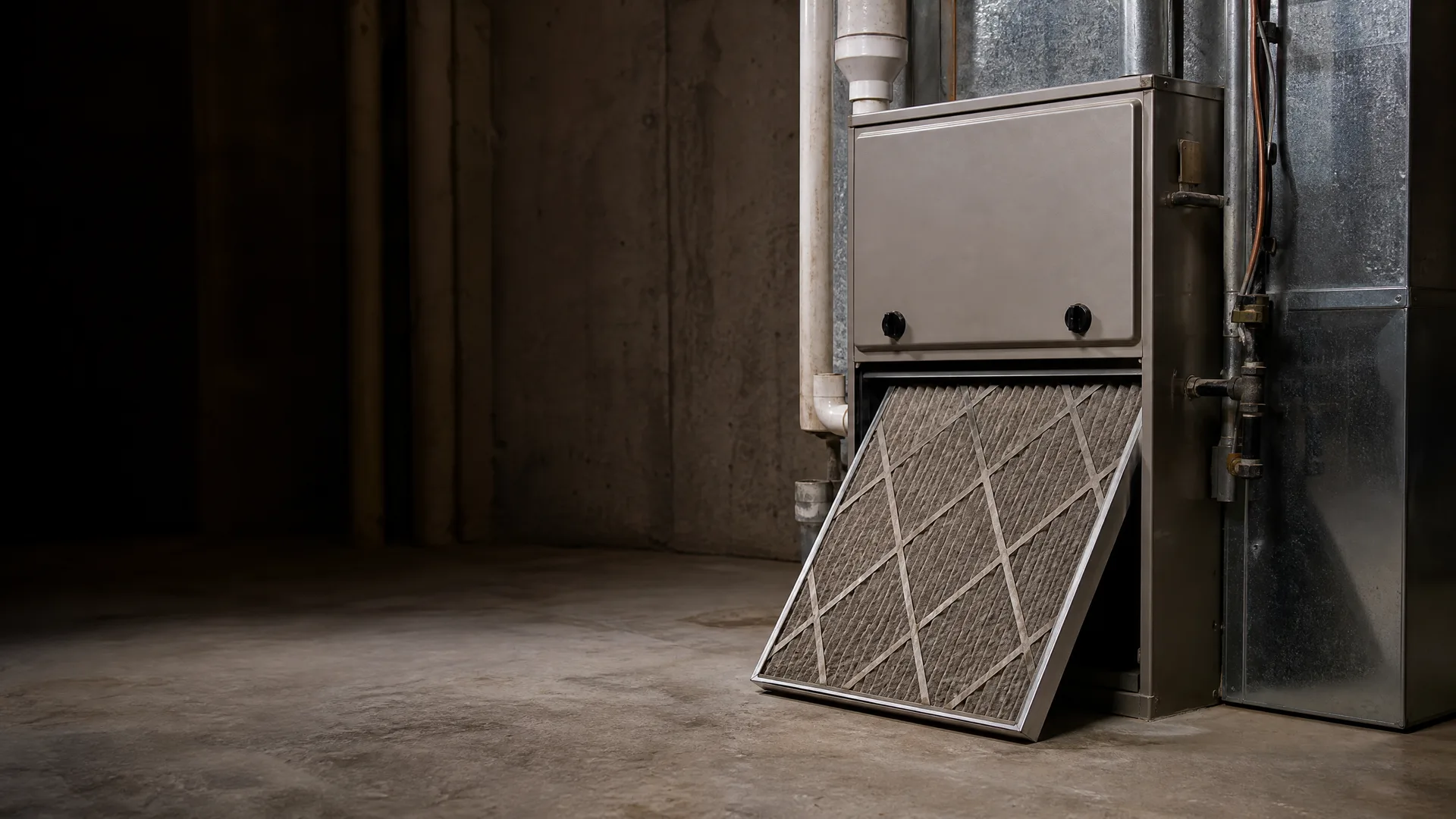
You pull the filter out to check it before the cold really sets in, and it stops you for a second. It's gray, matted, the pleats packed solid. October light is coming in thin through the basement window, that low afternoon slant, and dust is sitting on the furnace cabinet where the filter's been leaking it past the edges. You slide it the rest of the way out and just hold it there a minute, thinking about how long it's actually been. Upstairs the thermostat's set for the night ahead. Down here the blower hasn't even kicked on yet, and already you're wondering what else has been going unchecked behind that panel.
A pro who works on furnaces

Send the form, and lining up the furnace tune-up stops being yours to chase.
No charge to send it. You decide if you hire them.
What a dirty burner costs you
A gas furnace mixes air with gas at the burner to get a clean flame. When the burner is coated with dust or soot, that mix is off, and the flame burns longer and cooler to put out the same heat. The furnace runs longer to satisfy the thermostat, and a longer run means more gas burned for the same warm house. This isn't a guess about your specific unit. It's how every gas burner behaves when it's dirty. A technician cleans the burner and checks the flame itself, blue and even, not yellow or ragged, before moving on to anything else.
Why the filter matters more in January
A clogged filter chokes the air coming back to the furnace. The blower has to pull harder to move the same amount of air across the heat exchanger, and that extra work shows up as higher electric use on top of the gas. In Ohio, with the furnace running daily for five months straight, a filter that was fine in October can be packed solid by January. Checking it partway through winter, not just at the start, is part of what a maintenance visit covers, along with the burner, the igniter, and the venting that carries exhaust out of the house.


A technician starts at the burners, pulling them to look at the flame itself. It should burn steady blue with maybe a light orange tip. Yellow or lifting means the gas and air mix is off, and that costs you heat. From there it's the flue and heat exchanger, checked for cracks that would let combustion gas reach the air moving through your ducts. The inducer motor gets tested under load, since one drawing too many amps is on its way to failing outright. A pressure reading at the supply and return shows whether something upstream, a dirty coil or tight ductwork, is already restricting airflow before the furnace even gets a chance. The igniter, hot surface or spark, gets cleaned and tested, because a weak one means the furnace tries, fails, and tries again before it catches. Last is the limit switch and flame sensor. A dirty flame sensor alone is enough to shut the furnace down seconds after it starts, which is a call a lot of homeowners make thinking they need a new furnace when they just need this done.
What a tune-up actually checks
- A furnace tune-up starts with pulling the burners to check the flame, which should be steady blue with maybe a light orange tip, not yellow or lifting off the burner.
- A tech checks the flue and the heat exchanger for cracks, because a cracked exchanger lets combustion gas mix with the air going through your ducts.
- The inducer motor gets tested for amp draw, since a motor pulling more current than it should is wearing out and will eventually fail to start the furnace at all.
- Static pressure gets measured at the supply and return, which tells you whether the ductwork or a dirty coil upstream is choking airflow before it ever reaches the furnace.
- The ignition system, whether it's a hot surface igniter or an older spark system, gets cleaned and tested since a weak one makes the furnace try, fail, and retry before it lights.
- The limit switch and flame sensor get cleaned, because a dirty flame sensor is one of the most common reasons a furnace shuts itself off a few seconds after starting.




The tech pulls the filter and checks the blower wheel for caked-on dust.
Burners come out so the flame sensor and igniter can be tested.
Gas pressure gets checked at the manifold and set to spec.
The heat exchanger and flue get inspected for cracks and blockage.
Winter nights average 23°F statewide
23°F is the overnight average, not the cold snaps. Your furnace is cycling on through every one of those nights for three months straight. A unit that's clean and set right handles that load. One that isn't just keeps running longer to catch up.
NOAA nClimDiv 1991-2020 county normals weighted by homes


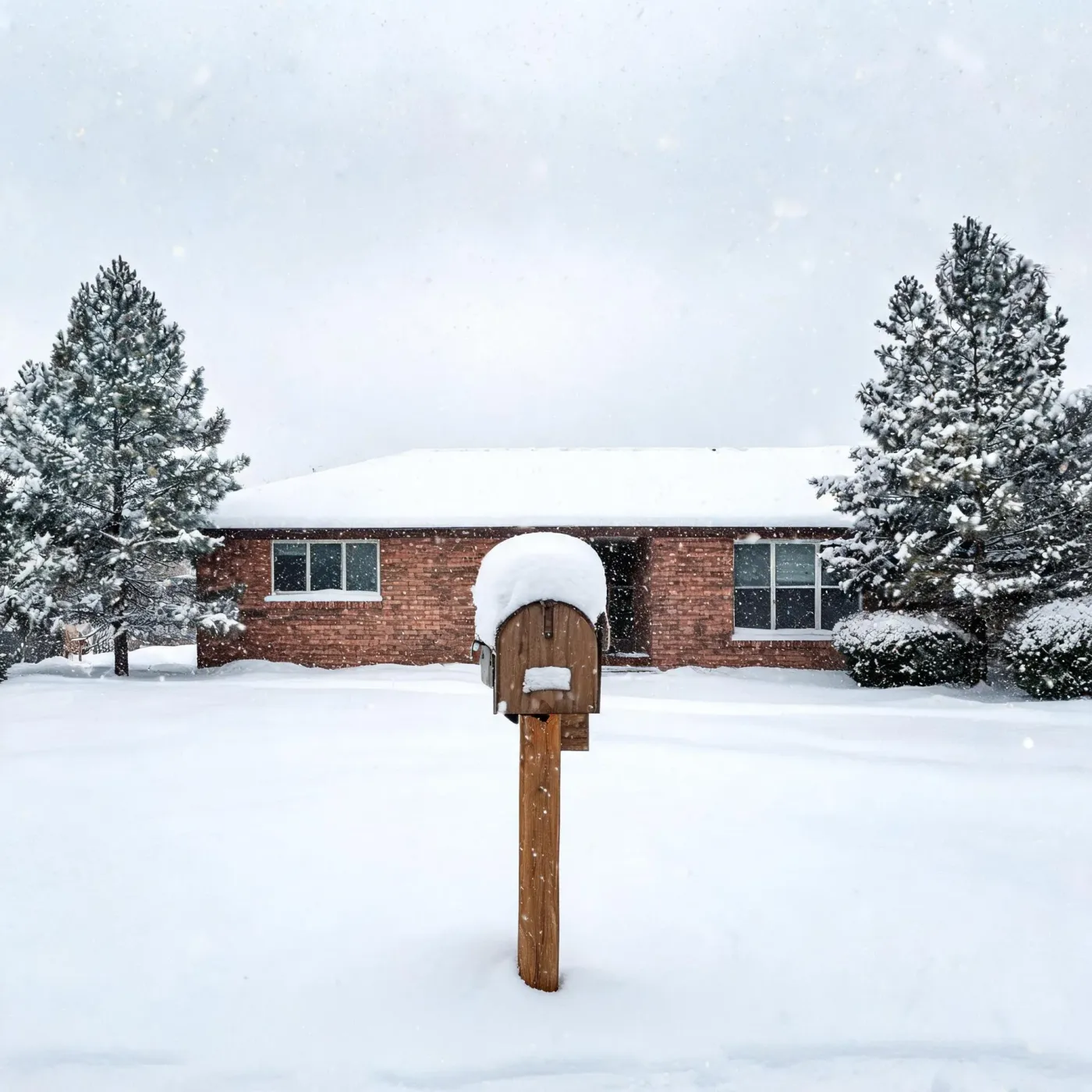
Ohio winter nights average 23°F statewide, according to NOAA climate data. That's the overnight low your furnace is working against, night after night, from November into March. At that temperature, a furnace in good shape still cycles on and off at a steady pace to hold the house at temperature. One with a dirty burner or a flame sensor that's drifting out of spec doesn't cycle, it runs. You'd notice it as a furnace that seems to be on constantly overnight, vents blowing but the room never quite catching up, and a gas bill that reflects all those extra hours of runtime.
NOAA nClimDiv 1991-2020 county normals weighted by homes
A furnace that's been checked and cleaned burns the gas it's using more efficiently, and that's the difference you see on the bill. The burners stay clean, the flame stays steady, and the furnace shuts off instead of running long to catch up on a cold night. That's the whole answer. You don't have to guess at what's wrong or figure out what to check first. Send the form and finding someone to look at your furnace stops being something you have to sort out yourself. A contractor who handles this gets in touch, and from there it's a straightforward visit, the burners checked, the flame looked at, the filter changed if it needs it. Through the rest of November to March, that's one less thing sitting on your list while the cold settles in for good.

Get your furnace to the right pro