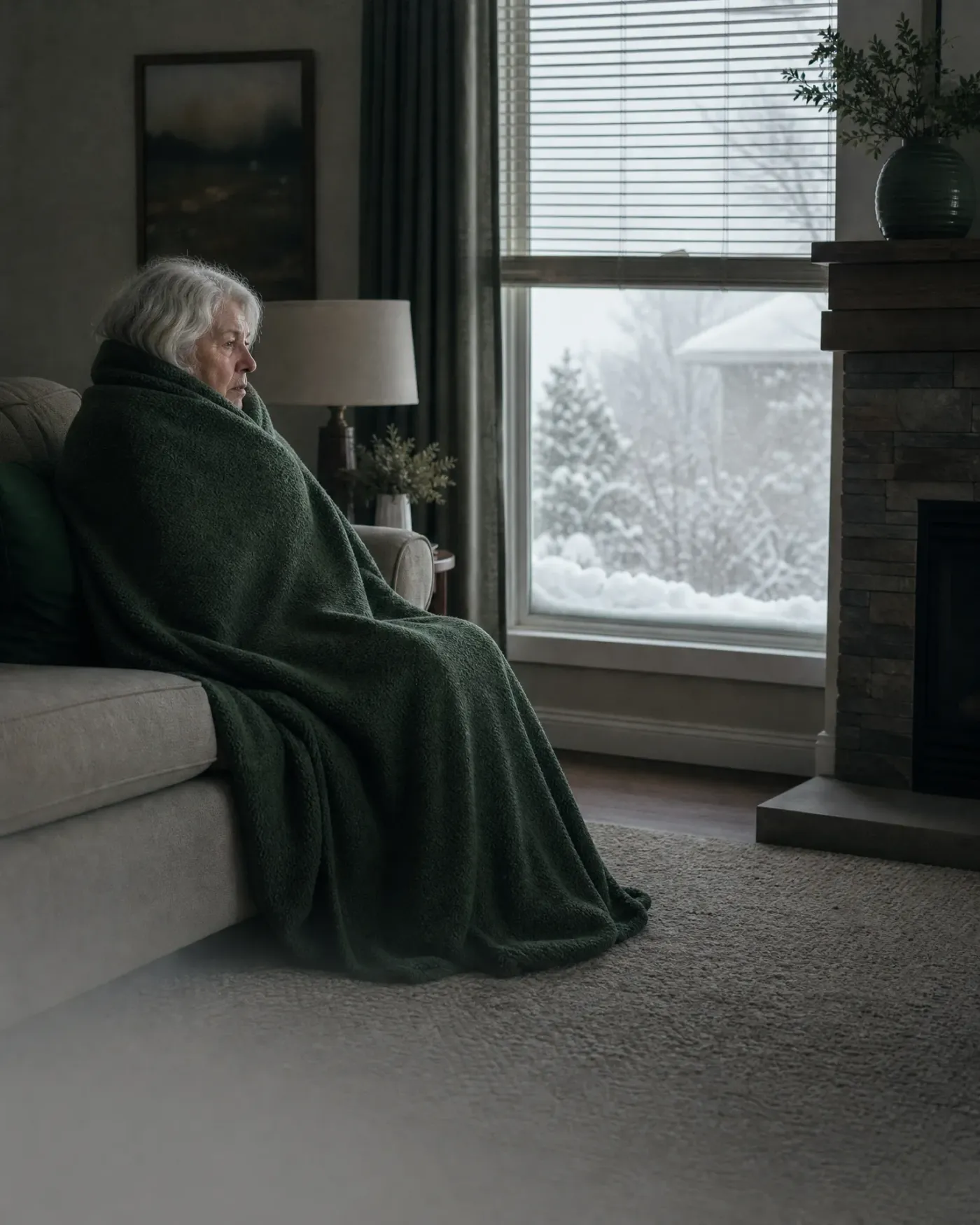


One register adjusted
A stuck damper or a closed vent upstairs can be found and fixed in a single visit, and warm air starts reaching that room again the same day.
Upstairs stays cold because heat rises and then stalls there, with nowhere to go once it reaches the top floor. In most two-story homes the thermostat sits downstairs, so the furnace shuts off as soon as that floor is warm, long before enough heat has made it up the stairs. Ductwork sized for the whole house can also shortchange the upper floor if a duct run is too long, too narrow, or partly closed off, so the air that should reach your bedrooms loses pressure before it gets there. A clogged filter or a blower running weak adds to this, since the furnace can't push air as far as it's supposed to. None of this means the furnace is failing outright, but it does mean parts of your system are working harder for less heat, and that shows up on a gas bill before it shows up as a repair.
Warm air rises through the house on its own, no fan required.
The downstairs thermostat reads comfortable and tells the furnace to shut off.
Upstairs rooms are still short on heat when that happens.
Return air ducts pull air back out of rooms toward the furnace.

Your furnace has one blower pushing air through one duct system built when the house was framed. That duct system was sized to move a certain amount of air, split between floors by the size and number of runs built into the walls. If the upstairs runs are smaller, fewer in number, or longer than the downstairs runs, the blower sends less air up there no matter how hard it works. Nothing about the furnace changes that once it's installed.

Ductwork running through an unheated attic loses heat before the air ever reaches an upstairs register. Even sealed metal duct gives up some warmth to the colder space around it, and the longer the run, the more it loses. A duct run to a downstairs room near the furnace stays warmer the whole way. The same furnace output arrives upstairs noticeably cooler, which is part of why that floor can feel chilly even while the blower is running.
You notice it most at bedtime. The upstairs hallway feels fine, but the bedroom at the far end is cooler, and the vent there barely pushes air when you hold your hand over it. Downstairs the furnace cycles on and off like it should, and the thermostat reads 70, but a thermometer carried upstairs might read 64 or 65. Some households just add a blanket and live with it. Left alone, the room you keep the coldest is also the one most likely to grow condensation on cold windows and, over a winter, a bit of mold on the sill or in a closet that doesn't get warm air moving through it.
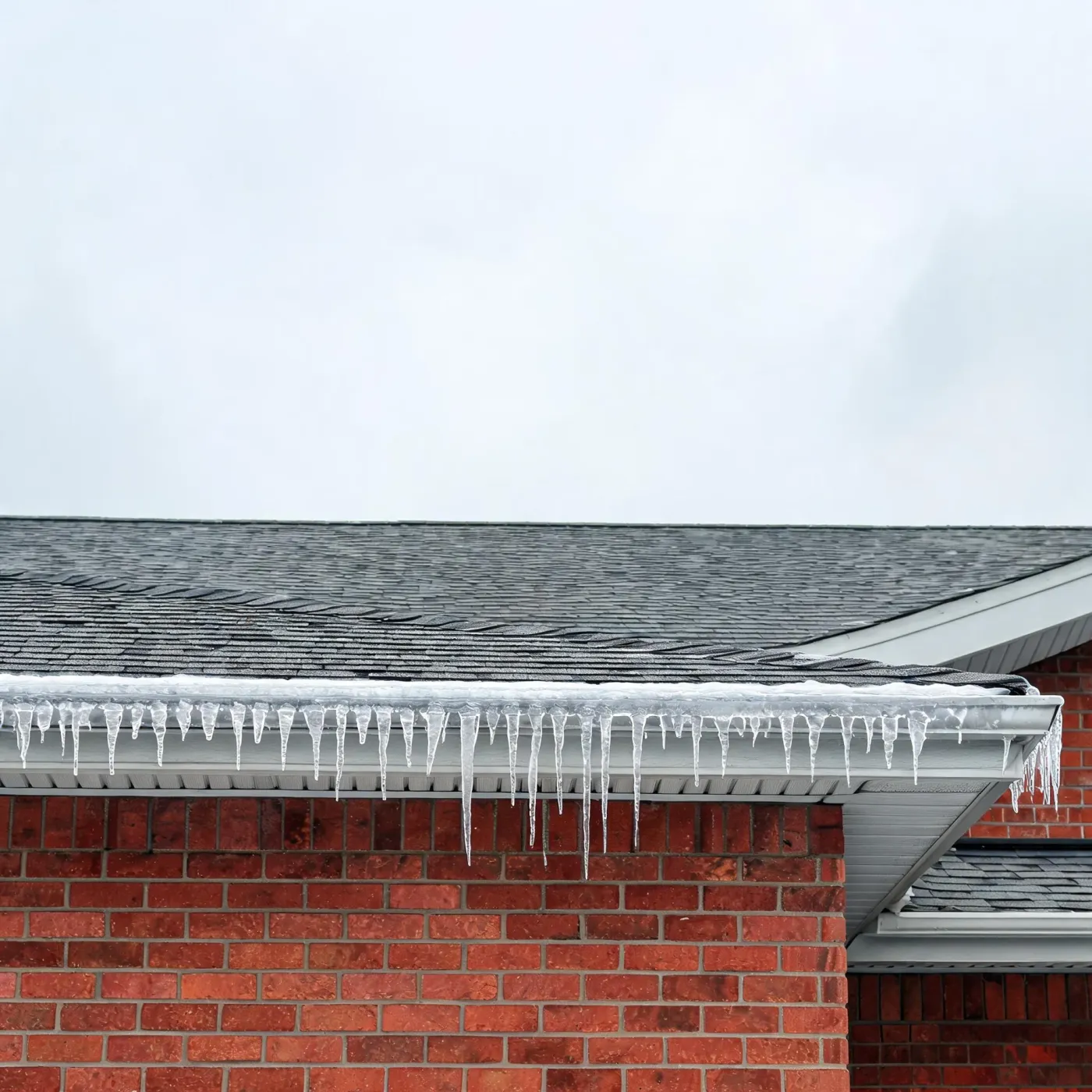
Winter nights average 23°F across Ohio, according to NOAA climate data. Once the temperature outside drops that low, your furnace has to run longer to push enough heat up to the second floor before the downstairs thermostat calls it satisfied and shuts the burner off. That's the stretch where an upstairs that's already short on warm air falls further behind, and you feel it most overnight, when the house has had hours to lose heat and the blower has the least help from the sun warming the walls. If a room upstairs won't climb past 60 while you're buried in blankets, that's your sign. Send in the form and the search for someone to look at it is off your plate. A local contractor who works on furnaces all winter in this kind of cold already knows where to check first.
NOAA nClimDiv 1991-2020 county normals weighted by homes
The pro who reaches out is licensed in Ohio.
You're not committing to anything by asking.
A small duct fix upstairs can cost little and solve the problem outright, if a damper is stuck shut or a return is blocked and that's the whole cause.
If the real issue is one blower sized for the whole house, no single repair upstairs changes that. The air gets split the way the ductwork splits it, floor by floor.




A stuck damper or a closed vent upstairs can be found and fixed in a single visit, and warm air starts reaching that room again the same day.
If the duct layout or the blower itself is undersized for the second floor, the fix means rebalancing airflow across the whole house, not just one room.
Why does the duct in my upstairs room blow weaker than the one downstairs
The register upstairs sits at the far end of a longer duct run than the one downstairs, and every foot of that run and every turn it makes costs some of the air pressure the blower started with. By the time air reaches the second floor, it has traveled further and lost more push along the way. A duct run with a tight bend or one that was pinched when it was installed loses even more. That register can be working exactly as built and still blow weaker than the one near the furnace, because it was never getting the same pressure to begin with.

A furnace like this heats on its own schedule, cycling on and off as the downstairs thermostat calls for it. The gas line and condensate pipes carry fuel in and exhaust out without any sign of strain. Nothing here tells you the upstairs is cold. That's the point: a furnace can look and run exactly like this one and still leave the second floor short on heat, because the problem isn't the furnace itself.

Access panels held by quarter-turn fasteners come off fast for a reason, and a contractor working an uneven-heat complaint will open both of them. Behind them sit the blower and the duct takeoffs that decide how much air goes upstairs versus down. If a damper's stuck or a return is choked, this is where it shows.



This is what a furnace looks like doing its job. It fires, runs its cycle, and shuts off once the downstairs thermostat is satisfied. The ductwork and gas line show no strain, no scorch marks, no corrosion. Upstairs still runs cold, but that's the duct layout, not this unit failing.

An older furnace like this can end up running longer and more often trying to push heat up to the second floor. The extra cycling wears on igniters, blower motors, and other parts that weren't built to run that hard. A furnace repair tech can tell you if the unit itself is part of the problem or just caught in the middle of it.




A night in the low 20s means your furnace is pushing air for most of the hours it runs. That's a long climb for heat that has to clear the downstairs thermostat before it ever reaches the top floor.
NOAA nClimDiv 1991-2020 county normals weighted by homes
Cold air upstairs almost always traces back to one of two things: something stuck in the ductwork, or a blower and duct system that was never going to push enough heat to the second floor to begin with. The furnace itself is usually doing exactly what it was set up to do, cycling off once the downstairs thermostat reads warm enough. That's worth knowing before anyone touches a wrench, because it means the fix might be as small as a damper or as involved as a change to how air moves through the house.
A contractor who handles Ohio furnaces through the winter has seen both versions enough times to know which one is more likely given how your system is laid out, and what to check first. That matters here, because a stuck damper gets fixed in an afternoon and a blower problem does not, and guessing wrong wastes a visit.
You get matched with one licensed contractor local to you, not a handful of companies competing for the job. One visit, one person who looks at your ducts and your blower and tells you straight which side of this you're on. From there the next step is clear, whether that's a quick adjustment or a longer conversation about what your system can actually push upstairs.
No charge to send it. You decide if you hire them.
A cold upstairs room doesn't fix itself once the weather turns colder, it just gets harder to live with. A local contractor who works on furnaces like yours all winter can look at the ductwork and the blower and tell you which one is behind it. Send the request and that search stops being something you have to handle alone.