Air moving freely
The flap hangs open while the dryer runs and swings shut when it stops. Walk outside during a cycle and you should feel warm air pushing out steady, with no musty smell and no lint caught in the hood.
 Skip the calls
Answer a few questions about the dryer vent cleaning and skip the search.
A dryer that used to finish in one cycle and now needs two is usually telling you the vent is choked, not that the machine is wearing out. Lint builds up inside the duct itself, not just in the trap, and once it narrows the path, the moist air your dryer is trying to push outside has nowhere to go. The drum keeps heating, but the clothes just tumble in warm, damp air.
In Lucas County this gets worse through a muggy summer, when the air outside is already heavy and a clogged vent makes it that much harder for your dryer to push anything out. By the time winter comes, a vent that was marginal in July can be fully blocked.
A blocked vent also means the dryer runs longer to do the same job, and with power costing what it does around Toledo, that adds up over a year of laundry. Some homes have a short, straight shot from the dryer to the outside wall. Others have a run that bends through a basement or up through a second floor, and those take longer to clog but are harder to clear once they do.
Finding someone who actually clears the full duct, not just the lint trap, usually means calling a few places, describing the layout of your vent run over the phone, and waiting on quotes that are hard to compare because no two companies check the same things. This page skips that part. One request connects you with a local contractor who works on vent systems like yours all year, knows what a Toledo winter does to a duct run, and can tell you on the spot what's actually blocking yours. You explain it once, to the person who's going to fix it.
You load a normal size load, run the regular cycle, and pull out clothes that are still damp at the seams and warm to the touch instead of dry. Running it again gets them most of the way there, but now it's two cycles instead of one, and that's not how it used to go. You want to know if the dryer is dying or if something else is going on.
A dryer dries by pushing hot, wet air out through the vent. When lint has narrowed that path, the air has nowhere to go, so the drum stays warm but the moisture stays with it. The machine itself is usually fine. In Lucas County, summer humidity makes this worse because the air coming into the dryer is already carrying moisture, so a partly blocked vent that was manageable in a dry month starts failing to keep up once July and August settle in. If the outside hood flap barely moves when the dryer runs, or the room gets noticeably warmer than usual during a cycle, that's the vent telling you it's restricted, not the dryer telling you it's worn out.




2.29 people per household on average
A household of 2.29 people runs a load most days of the week, so a dryer stuck on two cycles adds up fast over a year.
Half the homes here were built by 1963
Half the homes in Lucas County were built in 1963 or earlier, and a duct run that old has had decades to pack with lint before anyone thought to check it.
Power here costs 16.51 cents per kilowatt-hour
Electricity here runs 16.51 cents per kilowatt-hour, so a dryer running twice as long to do the same job shows up on the bill every month it goes unfixed.
ACS 2020-2024 · EIA-861 2025

You pull the lint screen after every load and it looks clean, so the vent seems like someone else's problem. But the screen only catches what passes through it. The rest of the duct, from the back of the machine to the vent hood outside, never gets touched unless someone takes it apart. A clean trap tells you nothing about what's built up past it.

If the vent run hasn't been cleaned since the house was bought, or ever, lint has been collecting in the bends and at the hood flap for years. That buildup doesn't show up anywhere you can see from inside the laundry room. It just shows up as longer run times, a hotter dryer, and a utility bill that keeps climbing in a place where power already costs enough.
Stand next to the dryer partway through a cycle. If the room feels warmer than usual, if you can smell something faintly hot or dusty, or if the air feels thick instead of just warm, the moisture that should be leaving through the vent hood is landing in your house instead. Touch the outside vent hood while it runs. It should push a strong, steady stream of warm air. A weak puff, or none at all, means the duct is blocked somewhere between the machine and the outside wall. Left alone, that trapped heat and moisture is what a dryer fire starts from, and it is also what runs your gas or electric bill up load after load.
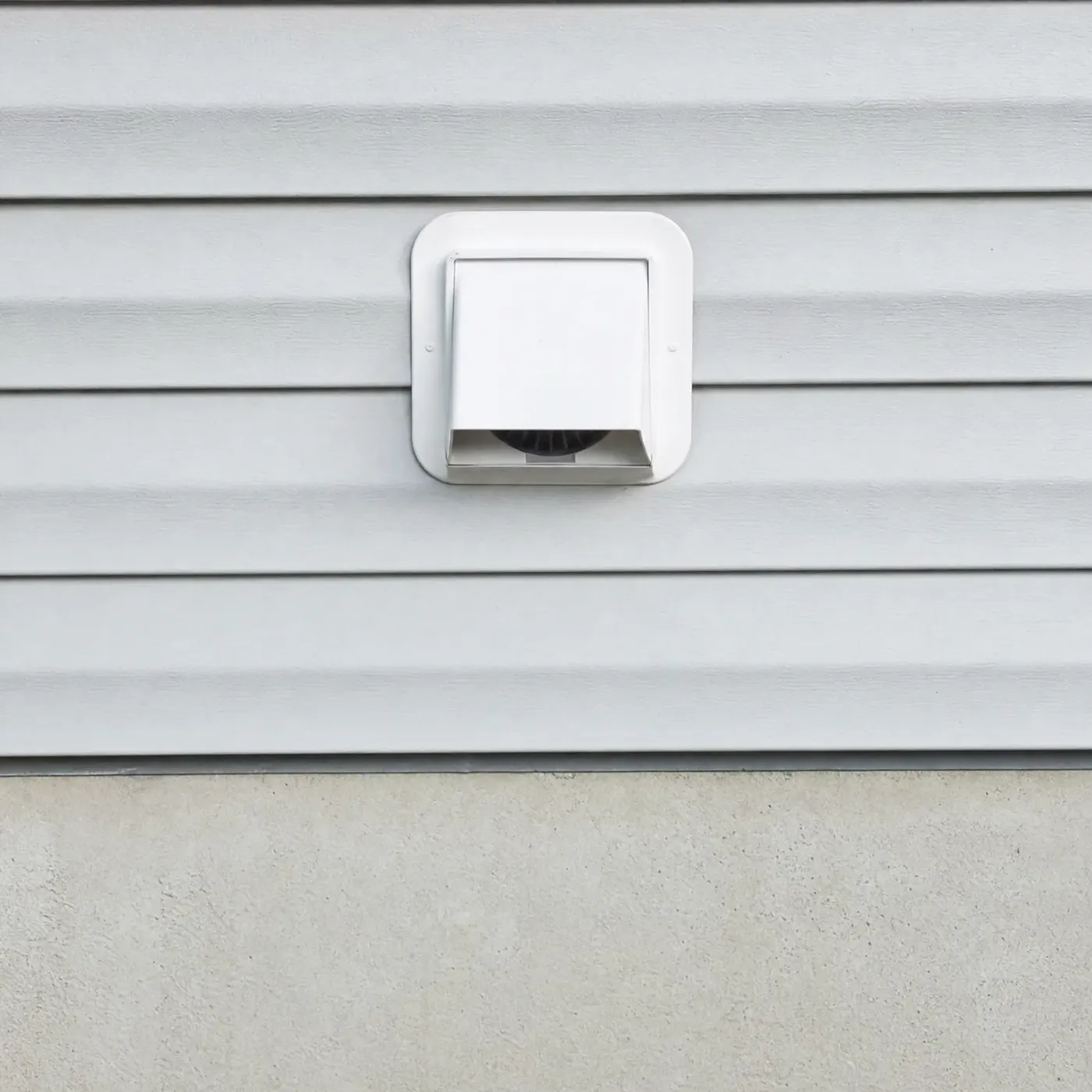
The flap hangs open while the dryer runs and swings shut when it stops. Walk outside during a cycle and you should feel warm air pushing out steady, with no musty smell and no lint caught in the hood.
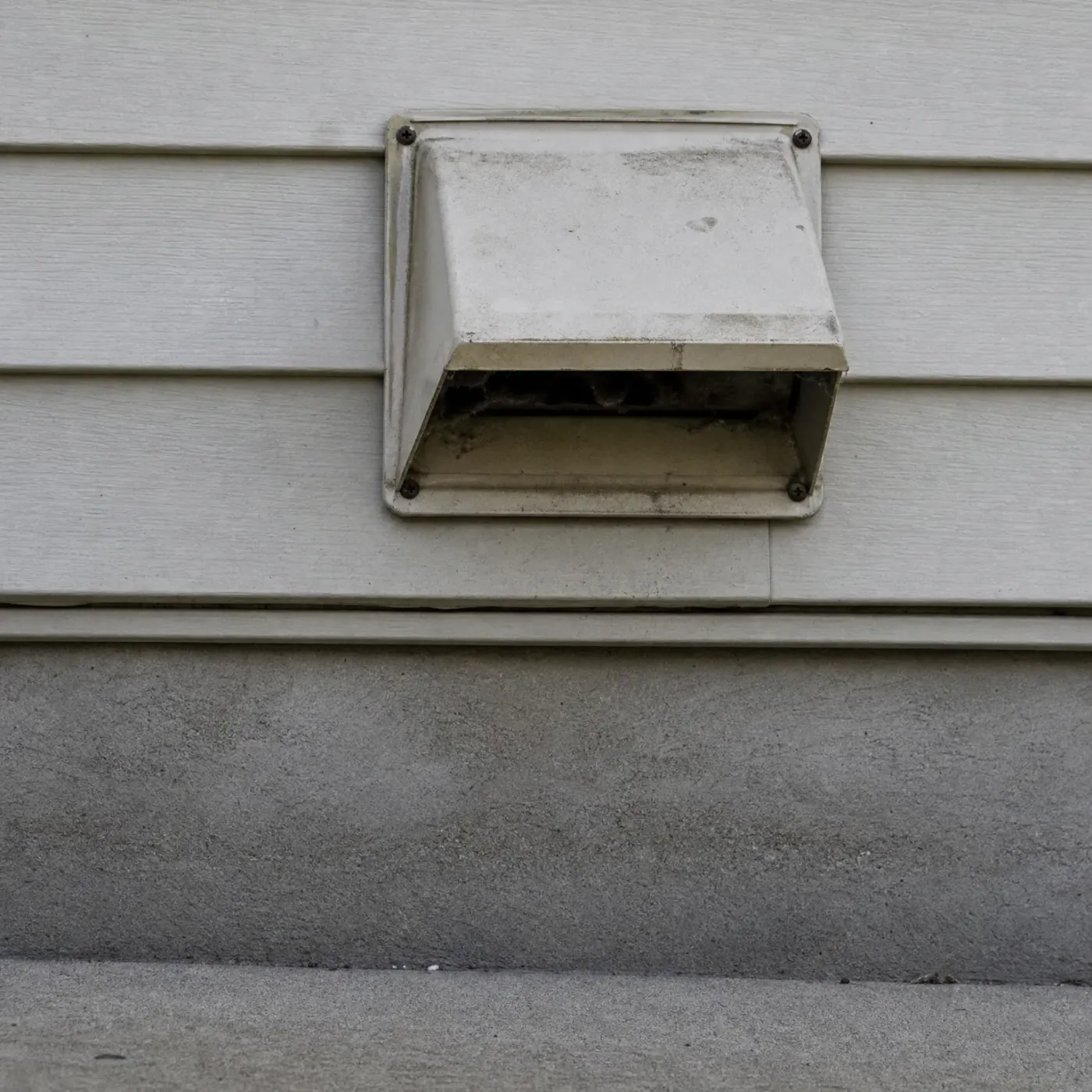
Lint has built up around the opening until the flap barely lifts. Airflow that should push straight out is backing up into the duct instead, which is why the cycle that used to finish once now needs a second run.


You've already checked the lint screen, maybe pulled the dryer out and looked behind it, and the vent still runs the length of the house to get outside. Finding someone who'll actually clean the duct, not just the trap, usually means a run of calls: searching, explaining the same thing three or four times, waiting on quotes that land days apart while you keep running loads twice. This connects you with one local contractor who works on vents like yours all year in Lucas County, someone who knows that a run built in 1963 and never relined collects lint differently than a shorter, newer one, and who can tell from what you describe whether this is a quick clear or something more. One request, one contractor, no juggling calls while your laundry room stays warm and damp every time the dryer runs.
A dryer vent is rated for a certain length because every foot of duct adds resistance, and a dryer motor can only push air so hard against that resistance. Codes allow a set run, then subtract length for each elbow, since air loses speed turning a corner the same way it loses speed traveling straight pipe. A house with two or three bends in the duct can hit that limit with a shorter run than you'd expect. The material matters too. Rigid metal holds a smooth bore the whole way, while the ribbed vinyl or foil duct common in older Lucas County houses has a corrugated inside surface that catches lint at every ridge. Add a rise in the duct, where it climbs up toward an exterior wall or roofline before exiting, and you've given that lint a place to collect instead of a straight shot outside. All of this shows up at the vent hood. Once airflow builds, the flap should swing open on its own and stay open while the dryer runs. If it barely moves, or opens partway and flutters, air isn't getting through at the speed it needs to. For a gas dryer, that blocked path carries more than moisture. Combustion byproducts vent through the same duct, so a restriction there is a different problem than a slow electric dryer, not just a bigger version of the same one.
At 2.29 people, most houses here are doing laundry close to every day, not once a week. That kind of steady use keeps lint moving into the duct all year, and a vent that's slowly narrowing shows up first as a cycle that won't finish on time.
ACS 2020-2024
A dryer that takes two cycles to do one load's work is telling you the vent is restricted. Clearing it is a job for someone who runs a camera or a brush the length of the duct, not just the trap, and knows what a bend in Lucas County ductwork does to airflow over the years. A local contractor who handles dryer vents all year has seen the same setup in houses built the same decades as yours, the same elbow configurations, the same lint buildup at the same bends. You get matched with one licensed contractor, not a handful of companies competing for your callback, so there's one call to make and one person who shows up knowing what they're looking at. Once that duct runs clear again, the dryer goes back to doing what it was built to do: one cycle, clothes dry, no second run to get them the rest of the way there. That's the whole fix. The room stops feeling like a steam closet, and the dryer stops working twice as hard for the same load.

One form, no calling around