Vent clear
Air moves through the hood with enough force to push the flap open while the dryer runs. A load of towels dries in one cycle, and the air coming off the vent outside feels warm. The flap closes back down once the cycle ends.
 Let a pro reach out
After you send the request, you're done searching.
A load that used to take forty minutes now runs through two cycles and still comes out damp at the seams. Nothing about your dryer changed. What changed is the vent behind it, slowly packing with lint until the air it's supposed to push outside barely moves.
Ohio summers add their own problem. When it's sticky out, the air your dryer pulls in to begin with already carries moisture, so a vent that's half blocked has even less room to push out what the drum is trying to get rid of. A clean vent handles that fine. A clogged one falls behind fast.
Most homes here heat with gas, which means the dryer isn't the only appliance pushing exhaust through the house. A blocked dryer vent puts more strain on a system that's already working through an Ohio winter, and with power priced the way it is here, every extra cycle your dryer runs to finish a load shows up on the bill.
This is a cleaning job, not a repair, and it's not something you want to put off once drying times start stretching out. But finding someone to do it shouldn't be your project on top of everything else. You shouldn't have to search for vent cleaners near you, call three of them to see who answers, explain the same thing about your dryer twice, then sit with a stack of quotes trying to guess which one is fair.
Send the form once and that part is done. No more chasing down a contractor yourself, no more repeating the story of your dryer to a new voice each time. A licensed pro gets the details and takes it from there. You go back to doing anything else with your day besides managing this.
You're not imagining it. The same towels and jeans that used to come out dry and warm now sit in the dryer for a second round, and even then some of it comes out cool and damp at the seams. You haven't changed detergent or overloaded the machine. Something is slowing the air moving through the dryer itself, and in Ohio, with gas furnaces running hard all winter and the air already thick and humid all summer, that airflow problem gets worse faster than people expect.
A dryer doesn't dry with heat alone. It dries by pushing warm, moist air out through the vent and pulling in replacement air behind it. When lint packs the vent line, that exchange slows down. The drum still heats, but the moisture has nowhere to go, so the load sits in damp air and never fully dries in one cycle. In Ohio, summer humidity means the air coming into the dryer is already heavier with moisture than it would be in a dry climate, so a partly clogged vent that might still work fine somewhere drier falls behind here. The second cycle isn't fixing the problem. It's just running the same weak airflow twice.
Air moves through the hood with enough force to push the flap open while the dryer runs. A load of towels dries in one cycle, and the air coming off the vent outside feels warm. The flap closes back down once the cycle ends.

Lint has built up around the opening until the flap barely moves and the hood stains the foundation below it. The dryer runs longer and longer to push the same load through, and in a sticky Ohio summer that trapped moisture has somewhere to go besides outside.


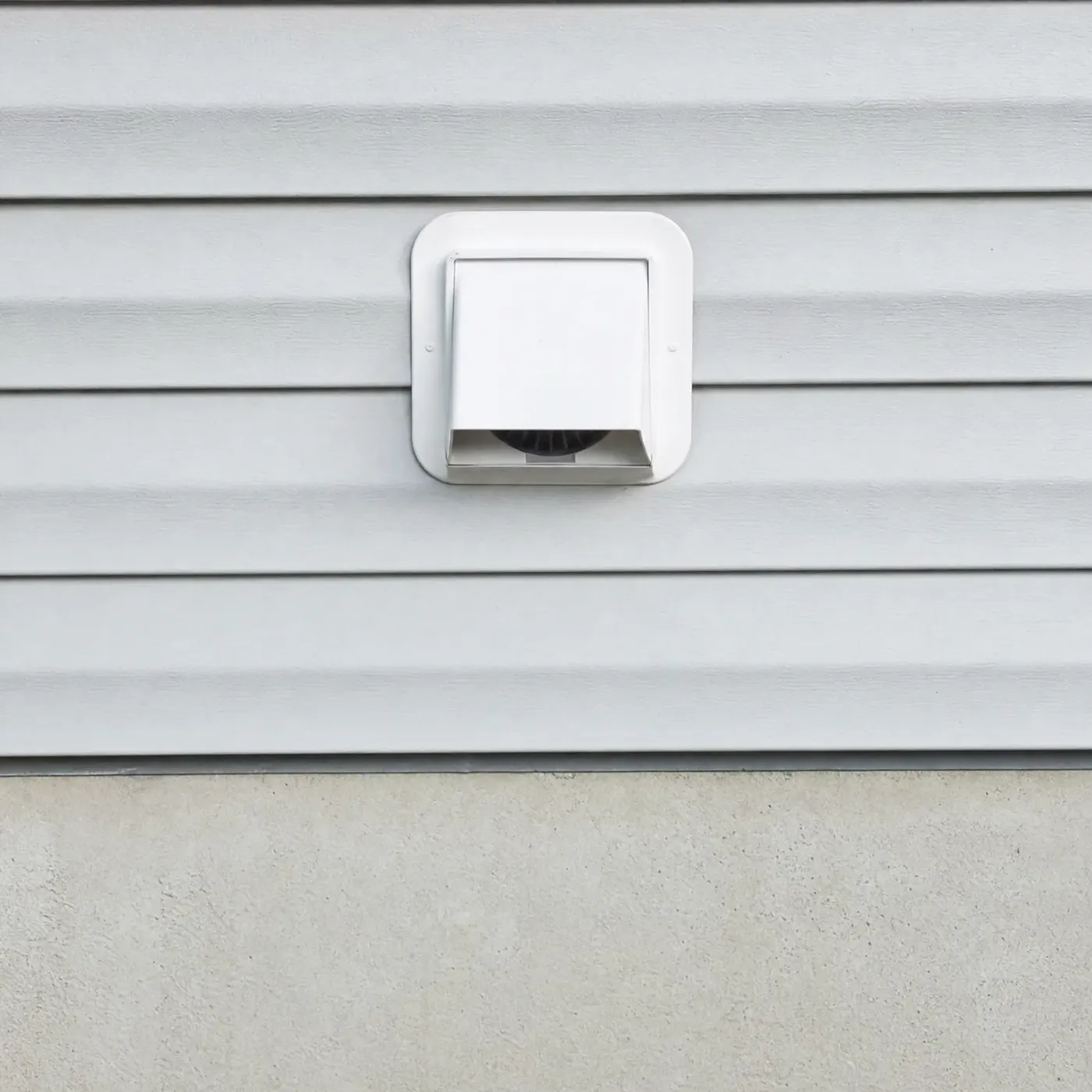
The flap sits open while the dryer runs, pushed by the air moving through it. Lint stays inside the trap where it belongs. Nothing collects around the opening outside, and the vent itself stays clean on the siding.
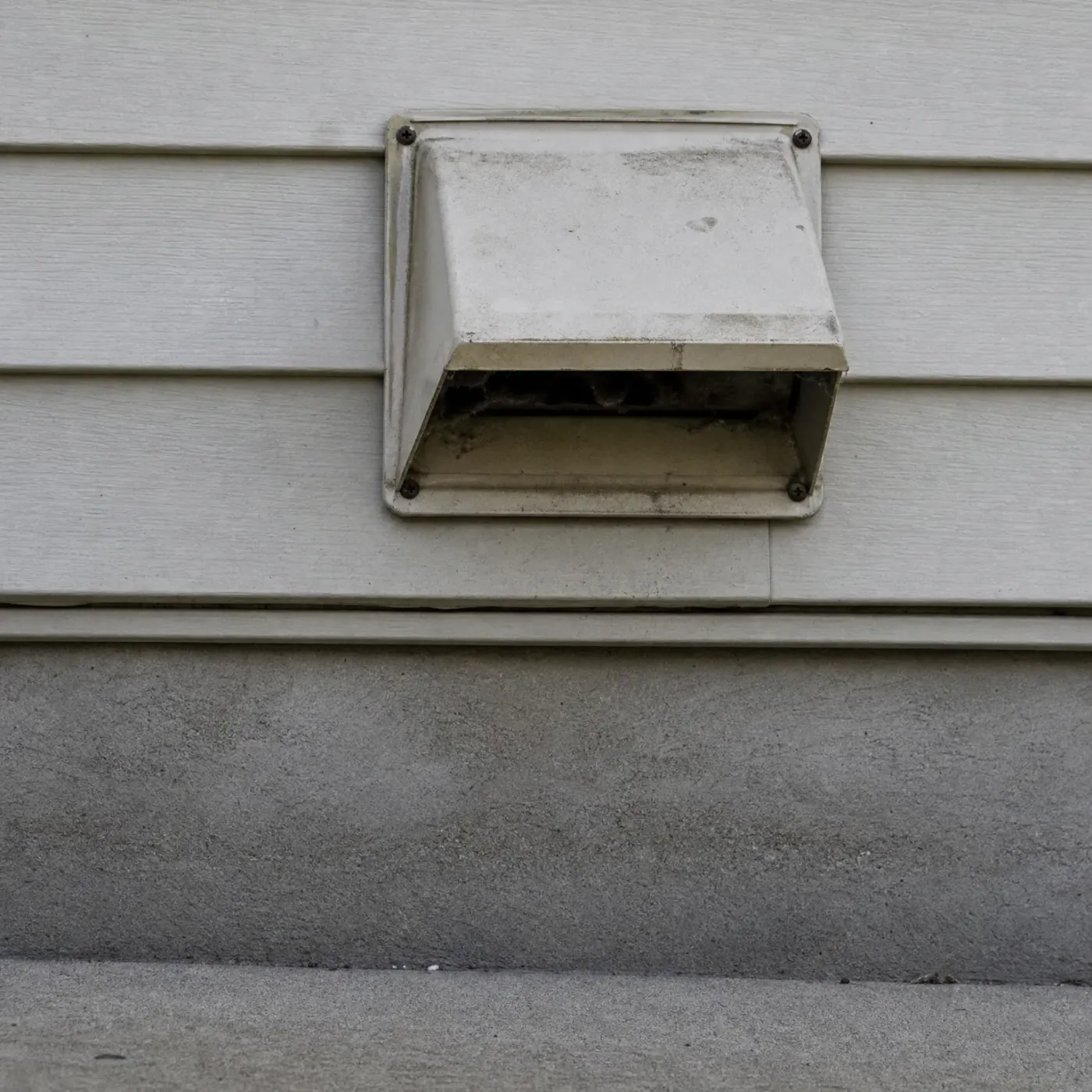
Dirt and lint gather around the opening because the air isn't moving enough to clear the vent or push the flap all the way out. What doesn't get carried outside settles right there at the hood, load after load.




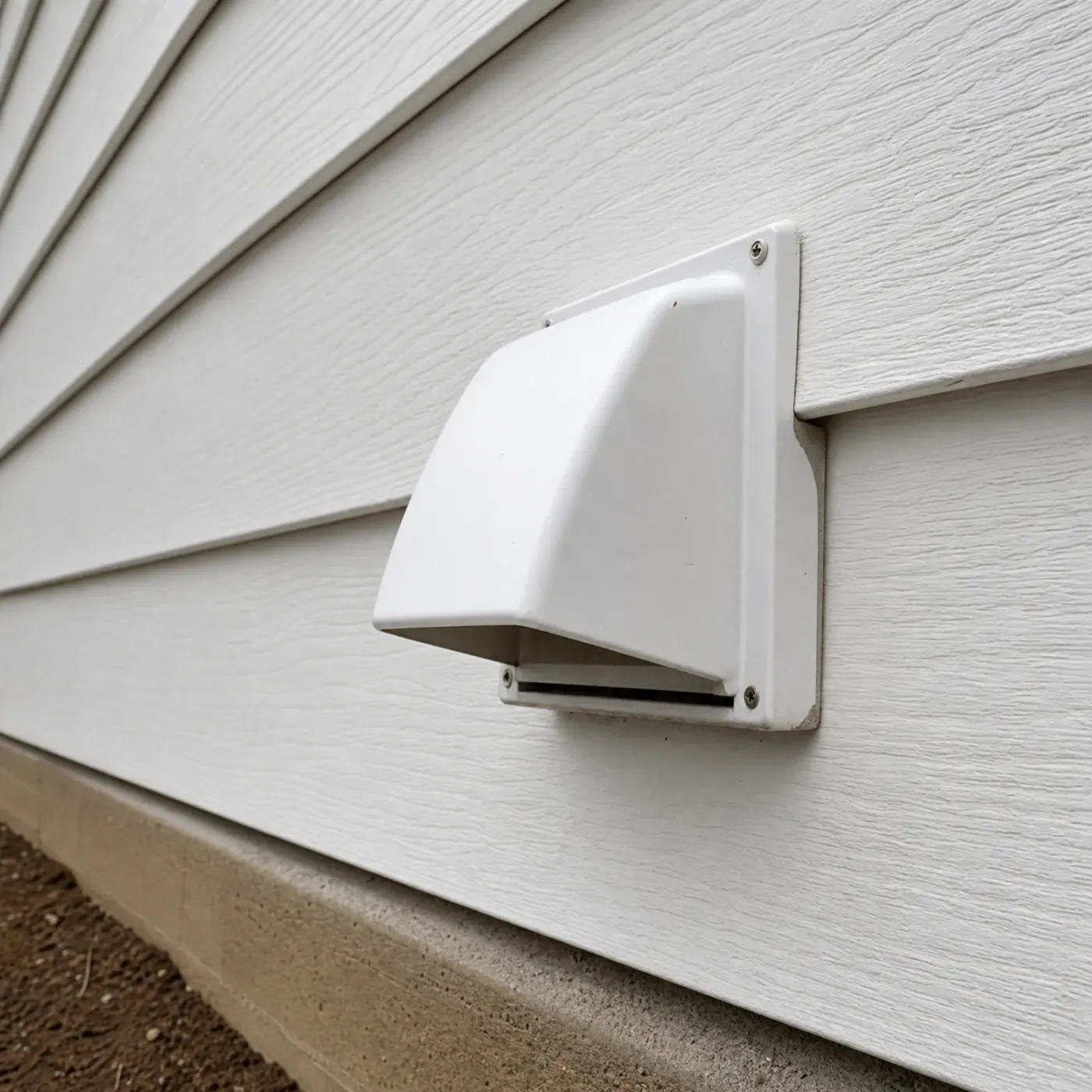
Skip searching for a dryer vent pro and answer a few questions instead.
Send the form and the dryer vent cleaning stops sitting on your list.
No fee to send it, and nothing to sign.
Lint builds up inside the vent hose with every load
The hose narrows until air barely pushes through it
Heat and moisture stay trapped in the drum instead of venting out
The dryer runs a second cycle trying to finish the job
Check the lint trap and it's not the problem. The clothes come out hot on top and cool underneath, still damp at the seams and the waistband. The outside of the dryer feels warmer than it used to. Open the door mid cycle and the laundry room feels thick with heat that isn't going anywhere. Step outside to the vent hood while the dryer runs and the airflow is weak, maybe nothing at all, when it should push out warm air hard enough to hold the flap open. A vent that can't move air is holding heat and moisture inside the duct, and that's how house fires that start in dryer vents happen.


At 16.90 cents per kilowatt-hour, every extra cycle your dryer runs shows up on the bill. A clogged vent doesn't make the drum motor or blower pull more power each minute, it just makes them run longer to finish a load that should've taken one cycle.
EIA-861 2025 statewide residential average
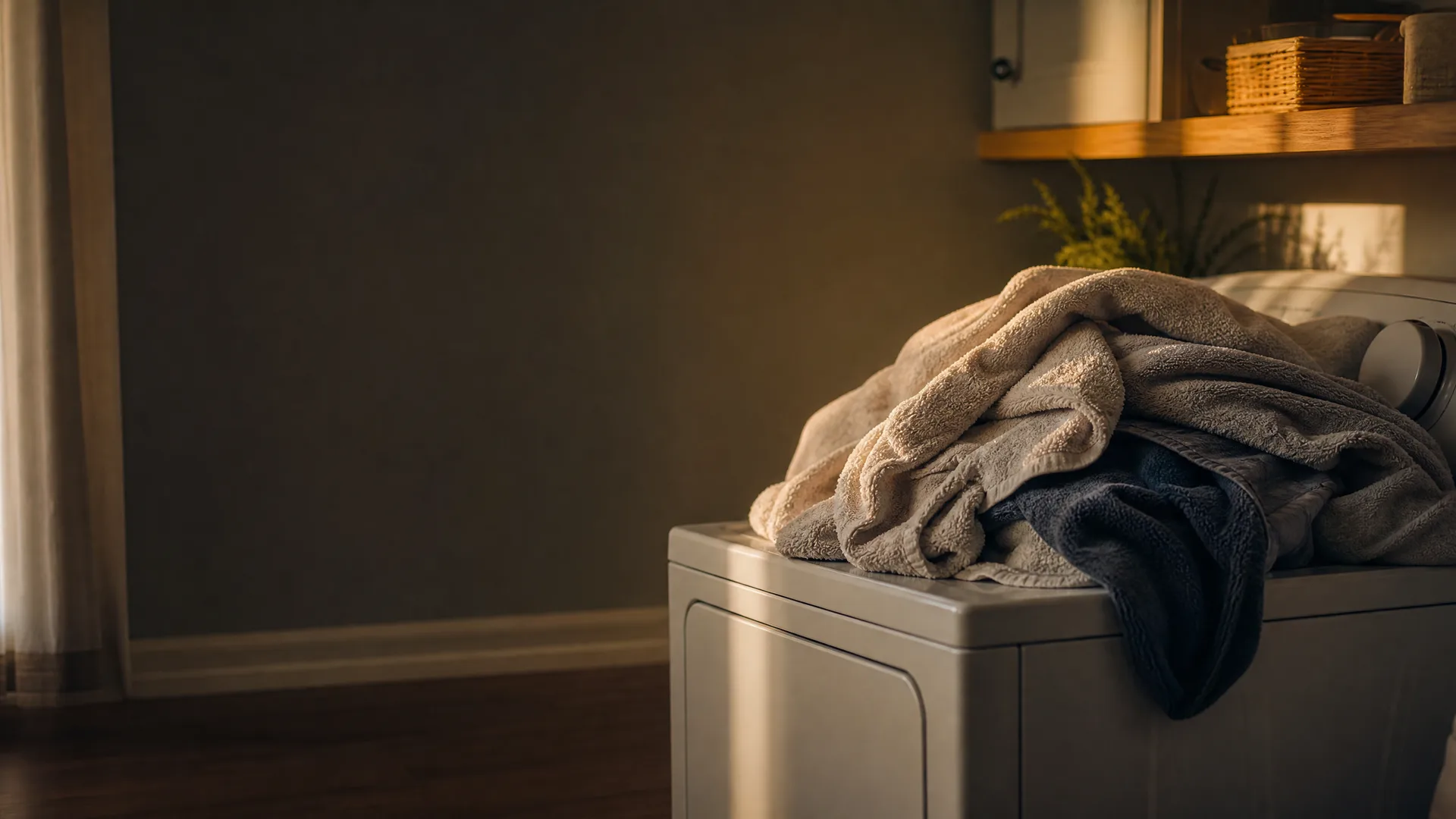
It's almost nine and you're still in the laundry room. The dryer clicked off twenty minutes ago, the second cycle on this same load of towels, and you've already got the game going in the other room without you. You pull the door open anyway, hoping, and there it is again: that heap of towels still warm on top, cool and damp where they folded against each other. Outside, Ohio's evening air is thick with its own moisture, like it's pressing back against whatever the dryer's trying to push out. You stack the towels on top of the machine instead of folding them. They'll sit there till morning, or till you run them a third time.
A dryer that needs two cycles to finish a load has a blocked vent, not a bad motor. That's the whole answer. Air that can't get out the hood stays trapped in the drum with the heat and the moisture, so the dryer keeps running past the point where it should have shut off. Clearing the vent is what brings it back to one cycle. You could spend an evening searching for someone who does this work, calling a few numbers, explaining the same thing about the damp towels and the warm outside of the dryer to each one, then sitting with three quotes trying to guess which one is fair. Send the form instead and that part is done. You won't be told when someone calls, only that the search is no longer yours to run. The vent still has to get cleaned. But you're done chasing who's going to do it.

One form replaces the calls you'd make to find a dryer vent pro.