
Furnace Installation in Akron, OH
A new furnace here will run from October through May every year. Tell us about the house, and a licensed contractor who covers Summit County will get in touch.
Tell us about the job
It takes about a minute.
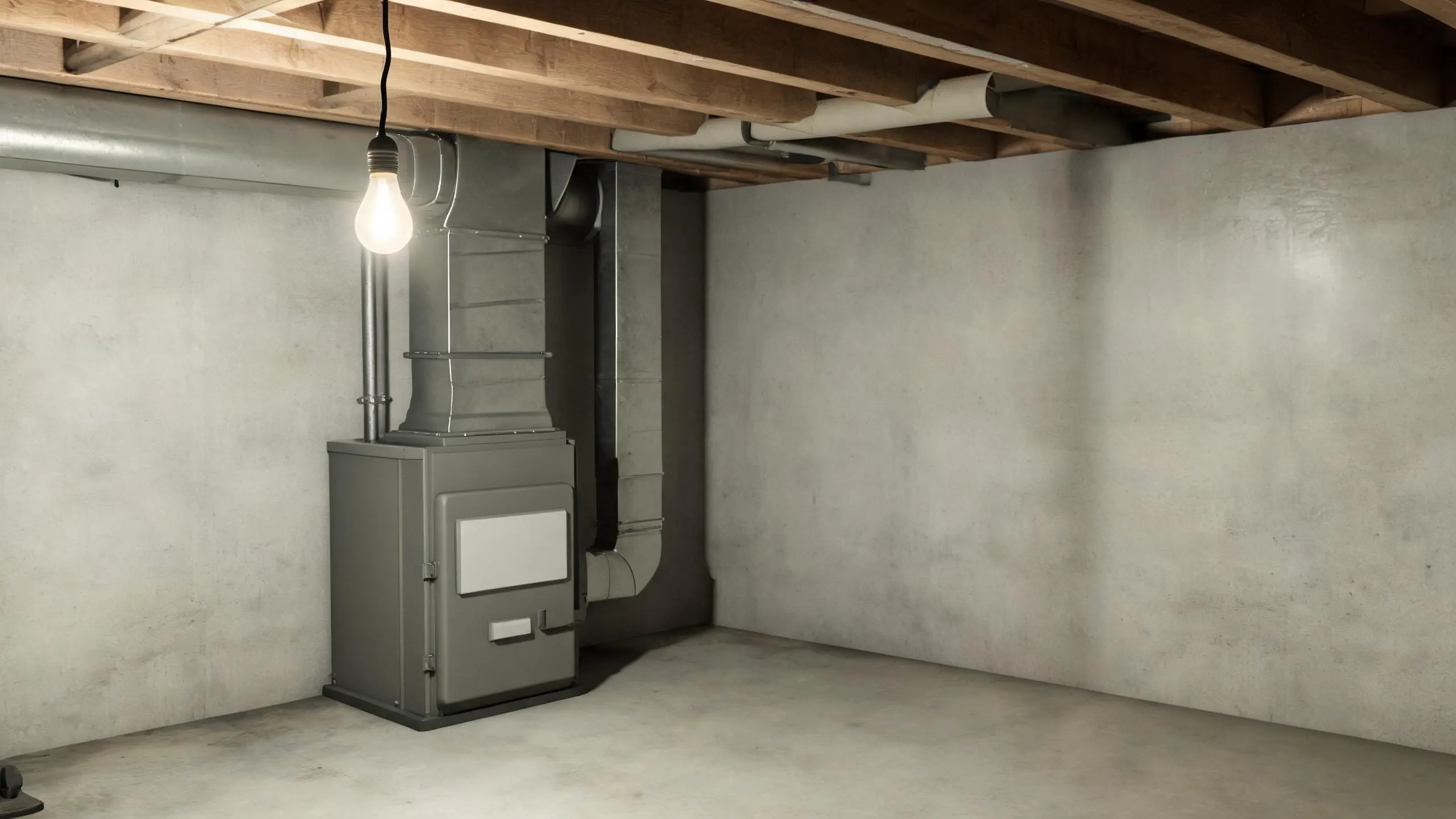
Eight months of heat, and winter nights near 22 degrees
Akron homes need the furnace running from October through May. That is eight months a year the system has to work, with winter nights averaging 22°F. A furnace here spends most of the year earning its keep, not sitting idle.
Most homes in the area heat with gas, and any non-weatherized gas furnace built since November 2015 has to hit at least 80 percent AFUE. Summit County has also seen its share of winter storms and damaging wind, the kind that knock out power for hours or days. A new furnace installed here should be sized and set up for a long, cold season, not just the mild days on either end of it.
- 8 months
- October through May, your furnace is on duty
- 22°F
- the average winter night it heats against
- 83%
- of homes here heat with gas, so most furnaces here burn gas
- 80% AFUE
- the federal minimum any new unit must meet
NOAA nClimDiv, 1991–2020 normals

A high-efficiency gas furnace would save about $140 a year to run in Summit County compared with a gas furnace.
Estimates for a typical Summit County home, from EIA household energy data, Ohio fuel prices and NOAA climate normals. Your home will differ.
In Ohio, HVAC licensing for homes is left to the counties.
Summit County sets its own rule for who can do this work, since Ohio leaves HVAC licensing to the counties rather than handling it at the state level. There is no state license or state record to check here. Ohio does define a home contractor as someone carrying at least $250,000 in liability insurance, but that is a definition written into state law, not a license or a test anyone had to pass.
With no state license behind this job, the protection comes from elsewhere. A furnace installation in most cities and counties needs a permit from the local building office, with an inspection once the work is done. That inspection is what catches a bad gas connection, which is the part of this job that can actually hurt someone. Most homes in Summit County heat with gas, so that check matters here as much as anywhere.
Source: Ohio Legislative Service Commission
- What size furnace does my house need?
- The right size comes from a load calculation, not a formula based on square footage alone. A contractor measures your insulation, your windows, your ceiling height, and how much outside air leaks in, then sizes the furnace to match. Too big and it short cycles, heating fast then shutting off before it warms the house evenly. Too small and it runs constantly without keeping up. With winter lows here averaging 22°F, getting this number right matters more than it would somewhere milder.
- How do I know it's time to replace my furnace?
- Age is the first sign, and a contractor can tell you where your furnace stands for its type. Past a certain age, repairs get more frequent and less worth paying for. Watch for rising gas bills with no other explanation, rooms that heat unevenly, or a burner flame that looks yellow instead of blue. Homes here need heat from October through May, so a failure partway through that stretch is the situation you want to catch early. A contractor can tell you whether what you are seeing points to a repair or a replacement.
- Is a high-efficiency furnace worth it?
- It depends on how long you plan to stay in the house and what your current furnace costs to run, and a contractor can walk through that math for your situation. What is true everywhere is that any non-weatherized gas furnace built on or after November 19, 2015 already has to reach 80 percent AFUE, so even a standard replacement today burns less gas than an older unit. High-efficiency models push past that minimum by pulling more heat out of the exhaust before it leaves the house. With most homes here heating on gas and needing that heat for 8 months of the year, the difference between a standard and a high-efficiency unit shows up on more bills than it would somewhere warmer.