
HVAC Installation in Akron, OH
A new system here will heat from October through May and cool from June through August every year. Tell us about the house, and a licensed contractor who covers Summit County will get in touch.
Tell us about the job
It takes about a minute.
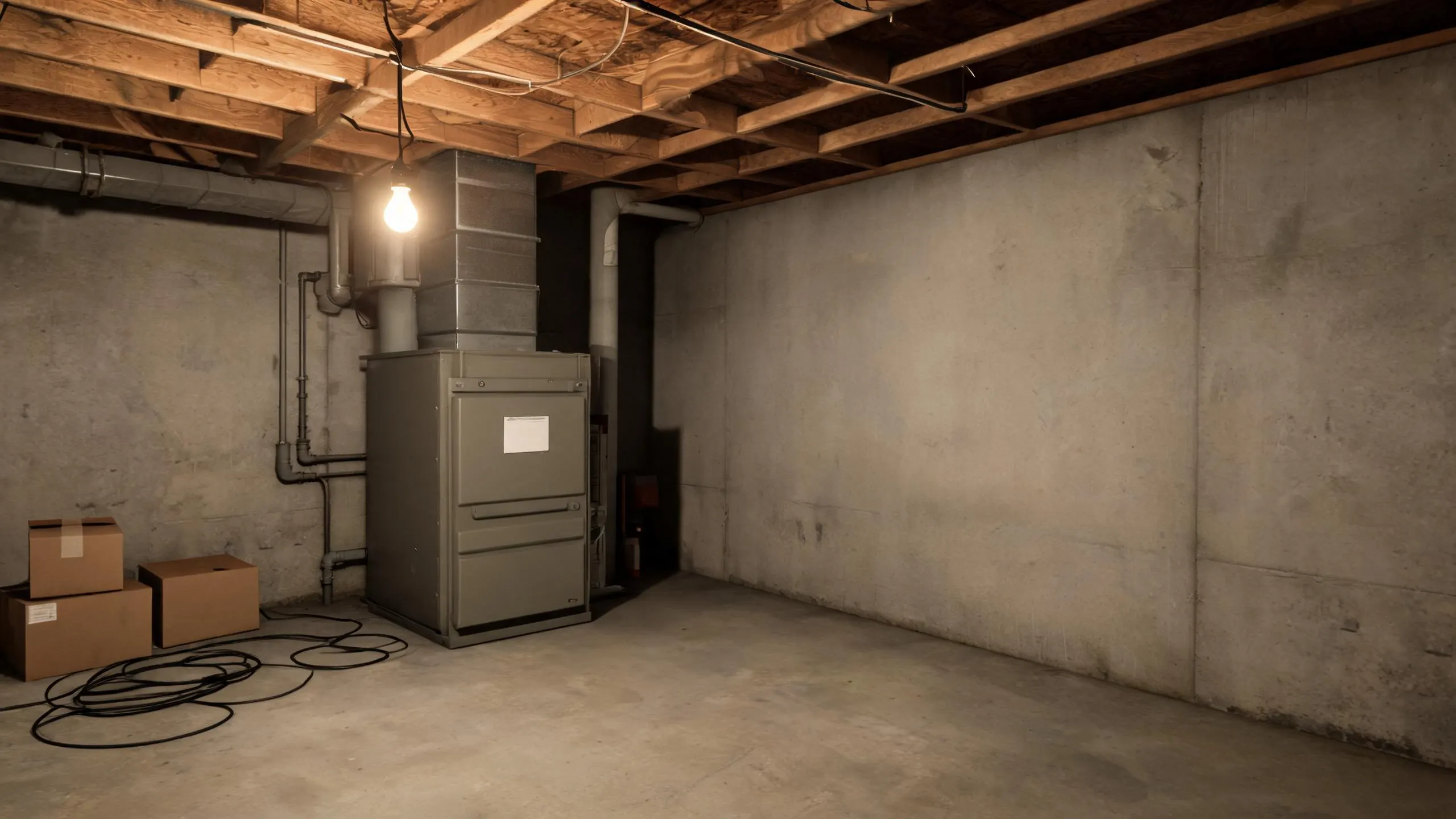
Akron asks a lot of a heating and cooling system
Winter nights here average 22°F, and homes need heat from October through May. That's 8 months a year the furnace has to work. Summer only runs three months, June through August, but those afternoons average 81°F, so the air conditioner has its own job to do right after the furnace finishes its.
Between the two seasons, a system here runs 11 months out of 12. Summit County has also logged 12 winter storms and 133 damaging wind events over the past ten years, and across Ohio, 18% of households lost power for at least 24 hours in 2024. A new furnace and air conditioner have to be sized for that kind of year, not a mild one, and installed to hold up when the weather turns hard.
- 8 months
- October through May, your system heats
- 3 months
- June through August, it cools
- 22°F
- the average winter night it heats against
- 81°F
- the average summer afternoon it cools against
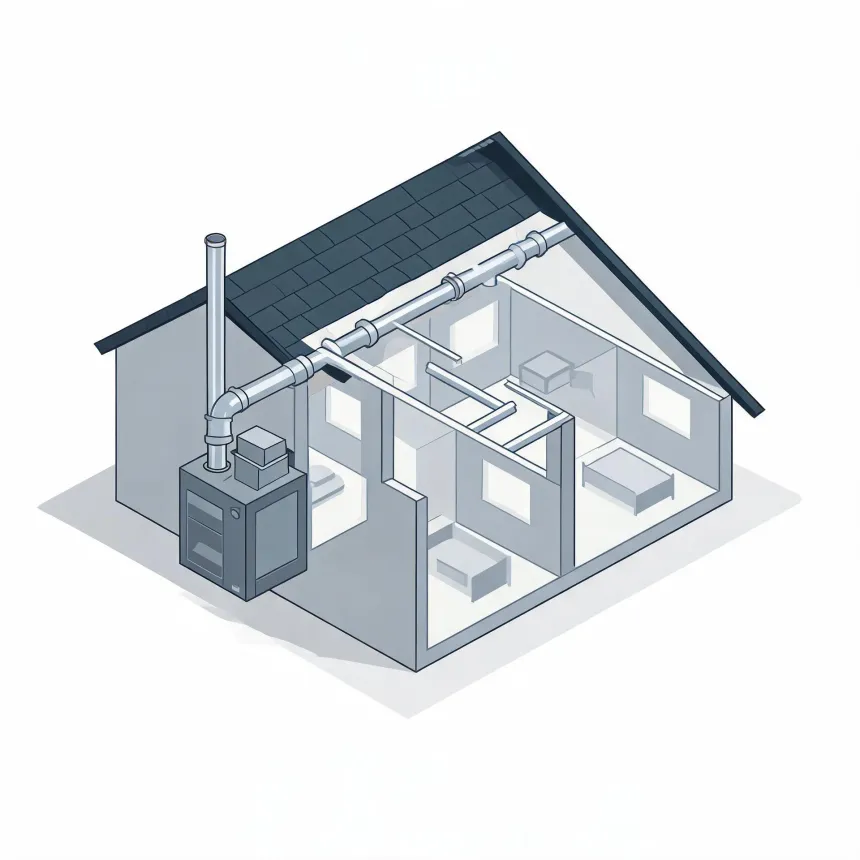
NOAA nClimDiv, 1991–2020 normals
In Ohio, HVAC licensing for homes is left to the counties.
In Summit County, whether a contractor needs a license depends on the local rules, since Ohio leaves that decision to counties and cities rather than setting one statewide. Ohio's definition of a home contractor calls for at least $250,000 in liability insurance, but that is part of a definition, not a license the state issues or tests for.
For a heating and cooling installation, the protection here comes from the permit process rather than a state license. Replacing a furnace, air conditioner or heat pump in most cities and counties needs a permit from the local building office, with an inspection once the work is done. That inspection is what checks the gas and electrical connections and confirms the new system was put in correctly.
Source: Ohio Legislative Service Commission
- When should I replace my HVAC system?
- Once your furnace or air conditioner is breaking down every year, or a contractor tells you the heat exchanger or the coil has failed, replacing it makes more sense than repairing it again. Age matters too. A furnace working hard through eight months of heating a year, with winter nights averaging 22°F here, has less margin left in its later years than one in a milder climate. If your system is old and the repairs keep coming, get it looked at before it fails on the coldest night of the year.
- Should I replace my furnace and air conditioner at the same time?
- If both are old, replacing them together is usually the better move, but it depends on the condition of each one. A furnace and air conditioner installed at the same time are matched to work together, and pairing a new one with an old one can mean the new unit never runs at its best. Here, the furnace does most of the work since homes need heat for eight months against three for cooling, so if only one is failing, it is often the furnace. A contractor can check both and tell you honestly whether one or two need to go.
- What happens during an HVAC installation?
- A contractor removes the old furnace or air conditioner, and any ductwork or venting that will not work with the new unit, then sets the new equipment in place and connects it to the ducts, the gas line or electrical circuit, and the thermostat. For a furnace, this includes venting for the exhaust. For an air conditioner, it includes running the line set to the outdoor unit and checking the refrigerant charge. Once it is running, the contractor tests it and checks the airflow and the temperature it is producing before calling the job done.