
HVAC Repair in Cincinnati, OH
Homes here need heat from October through April and cooling from June through September. If your system quits, tell us what it's doing and a licensed contractor who covers Hamilton County will get in touch.
Tell us about the job
It takes about a minute.
Eleven months of work, and storms on top of that
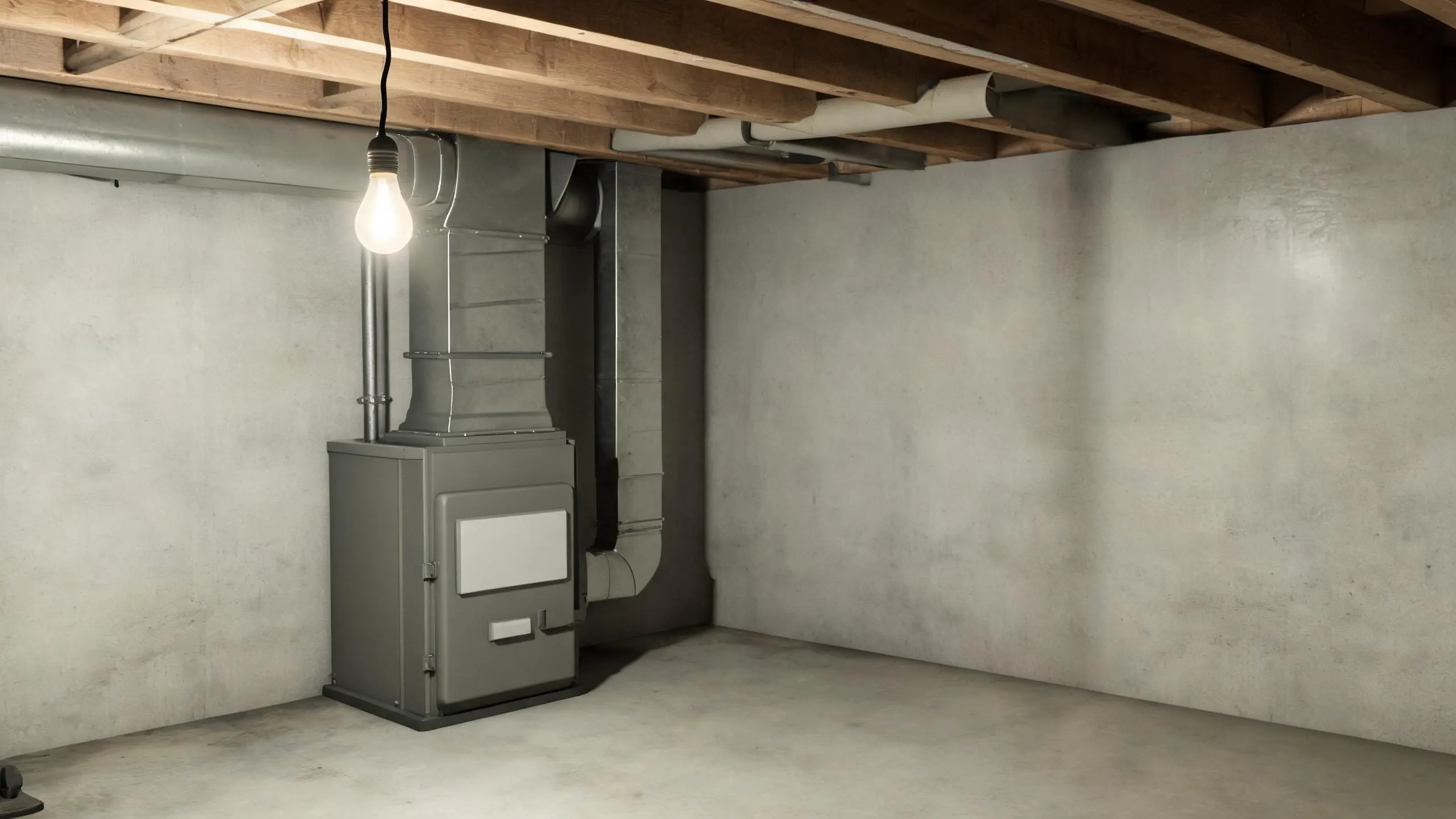
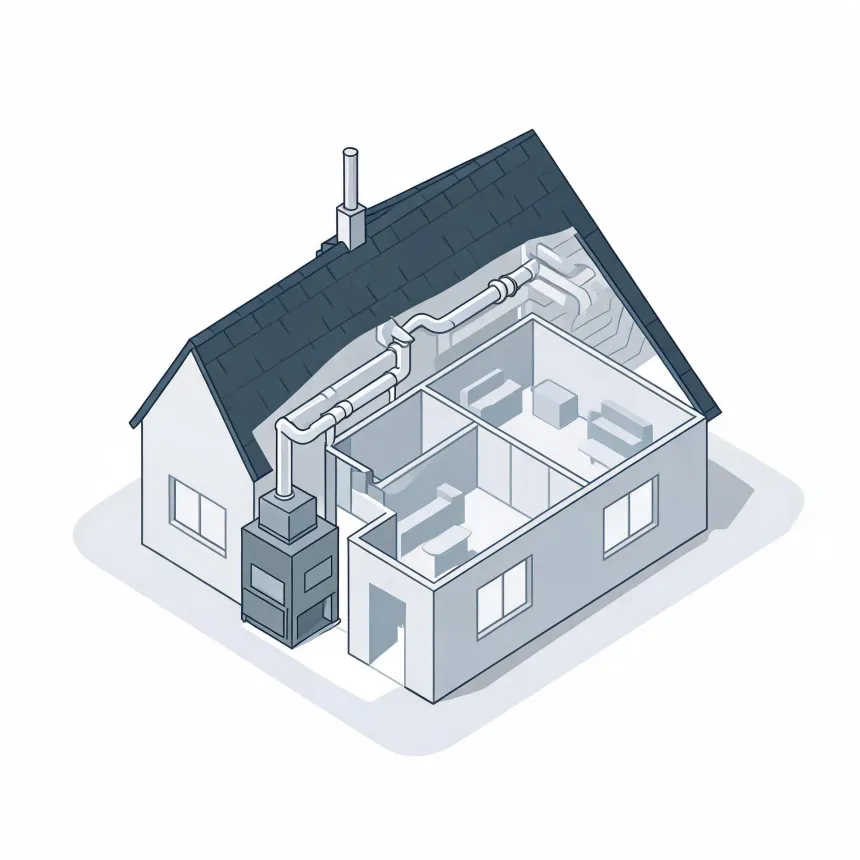
Hamilton County homes need heat or cooling 11 months a year. Furnaces run October through April, firing on and off through nights that average 25°F. Cooling runs June through September, with afternoons around 85°F keeping the air conditioner working long stretches at a time. Most homes here heat with gas, so the furnace carries that winter load on its own.
The county has logged 16 winter storms and 169 damaging wind events over the past ten years, and 18% of Ohio households went at least 24 hours without power in 2024. A furnace or air conditioner that loses power comes back on by itself, but a storm that knocks branches into a condenser or floods a basement furnace is a different problem, and it tends to show up right when the system is needed most.
- 7 months
- October through April, your system heats
- 4 months
- June through September, it cools
- 25°F
- the average winter night it heats against
- 85°F
- the average summer afternoon it cools against
NOAA nClimDiv, 1991–2020 normals

A new furnace and air conditioner would cut about $160 a year off heating and cooling for a typical Hamilton County home.
Estimates for a typical Hamilton County home, compared with an older unit built to the previous federal minimum, from EIA household energy data, Ohio fuel prices and NOAA climate normals. Your home will differ.
Repair makes sense when one part has failed.
Replacement makes sense when the furnace's heat exchanger is cracked, the air conditioner's compressor has failed, or repairs keep coming.
In Ohio, HVAC licensing for homes is left to the counties.
Ohio does not run a state HVAC license for home work. Whether a contractor needs to be licensed for this repair depends on Hamilton County, since the state leaves that decision to counties rather than setting one rule itself. Ohio does define what a home contractor is for this kind of job, and that definition requires carrying at least $250,000 in liability insurance. That is a financial requirement written into the definition, not a test anyone passed or a credential the state issues.
With no state license behind this repair, whatever protection exists here comes from Hamilton County's own rule, not from a state record. A heating and cooling repair like this one falls under whatever licensing or registration Hamilton County has set for the trade, and that is the only place the answer comes from.
Source: Ohio Legislative Service Commission
- Why is my heat not working?
- Most of the time it comes down to the thermostat, the power to the furnace, or the flame not lighting. Check that the thermostat is set to heat and the temperature is above room temperature. Check the furnace switch, which looks like a regular light switch near the unit, and the breaker for it. If the furnace is trying to start and shutting back off, that often points to the igniter or the flame sensor, and those need a contractor to sort out. On a night when it drops to 25°F, a furnace that will not hold heat needs attention the same day.
- Why is my system running but not cooling the house?
- The fan running without cold air usually means something is blocking the cooling itself, not the airflow. Check the air filter first. A filter packed with dust chokes off airflow across the indoor coil and the system stops pulling heat out of the air even though it sounds like it is working. Outside, make sure the outdoor unit is not blocked by leaves, grass clippings, or anything sitting close to it. If the filter is clean and the outdoor unit is clear and you are still getting warm air on an 85°F afternoon, the refrigerant charge or the compressor likely needs a contractor to look at it.
- What can I check before calling for HVAC repair?
- Start with the thermostat. Make sure it is set to the right mode, heat or cool, and the temperature is set past what the room already is. Check the breaker for the system and, on a furnace, the power switch nearby. Replace the air filter if you cannot remember the last time it was changed, since a clogged filter causes both weak heat and weak cooling. For central air, look outside and clear anything piled against the outdoor unit. If the system still is not working after that, a contractor will need to look at the parts inside, like the igniter, the flame sensor, or the refrigerant charge, that are not something to check yourself.