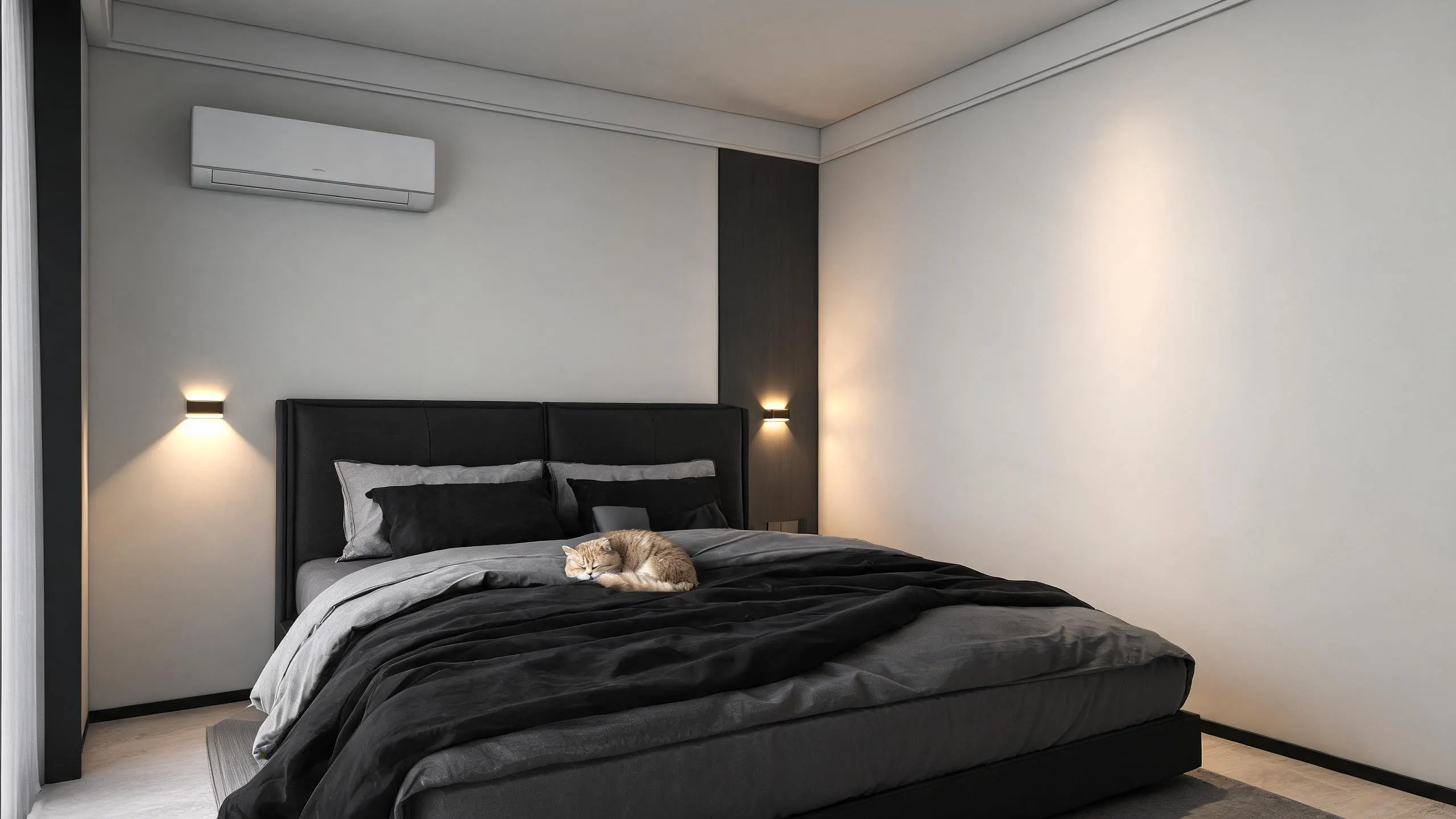
Mini Split Installation in Delaware, OH
A new system here will heat from October through May and cool from June through August every year. Tell us about the house, and a licensed contractor who covers Delaware County will get in touch.
Tell us about the job
It takes about a minute.

What Delaware County asks of a mini-split
Your mini-split works almost all year here. Homes in this county need heat from October through May and cooling from June through August, which leaves only a short break between them. Winter nights average 23°F, cold enough that the heat pump side has to work for real heat, not just take the edge off. Summer afternoons average 83°F, which is steady work for the cooling side but not extreme.
Any mini-split installed new has to meet the federal minimum for a split-system heat pump, 14.3 SEER2 for cooling and 7.5 HSPF2 for heating. That minimum is the same everywhere, but here it matters more on the heating side, since the unit spends more months holding heat than holding cool.
- 8 months
- October through May, your system heats
- 3 months
- June through August, it cools
- 23°F
- the average winter night it heats against
- 83°F
- the average summer afternoon it cools against
NOAA nClimDiv, 1991–2020 normals
In Ohio, HVAC licensing for homes is left to the counties.
Ohio has no state license for HVAC work in a home. The rule is left to Delaware County, so what stands between you and a bad contractor depends on what the county asks for, not on any state record. Ohio's definition of a home contractor calls for at least $250,000 in liability insurance, but that is a definition written into state law, not a credential anyone earns or a test anyone passes.
For a mini-split installation, the protection that matters is local. In most cities and counties, a job like this needs a permit from the local building office and an inspection once the work is done, and that inspection is what catches a refrigerant line put in wrong or a unit set up badly before it becomes a lasting problem.
Source: Ohio Legislative Service Commission
- Is a mini split worth it?
- For the right space, yes. A mini split heats and cools without ductwork, and it holds a set temperature in one room or a small addition better than a window unit does. Winter nights here average 23°F, so check that the model a contractor recommends is rated to keep up on the coldest nights, not just the mild ones. If your home already has ducts and central air in good shape, a mini split makes more sense as a fix for one problem room than as a full replacement.
- How many rooms can a mini split cover?
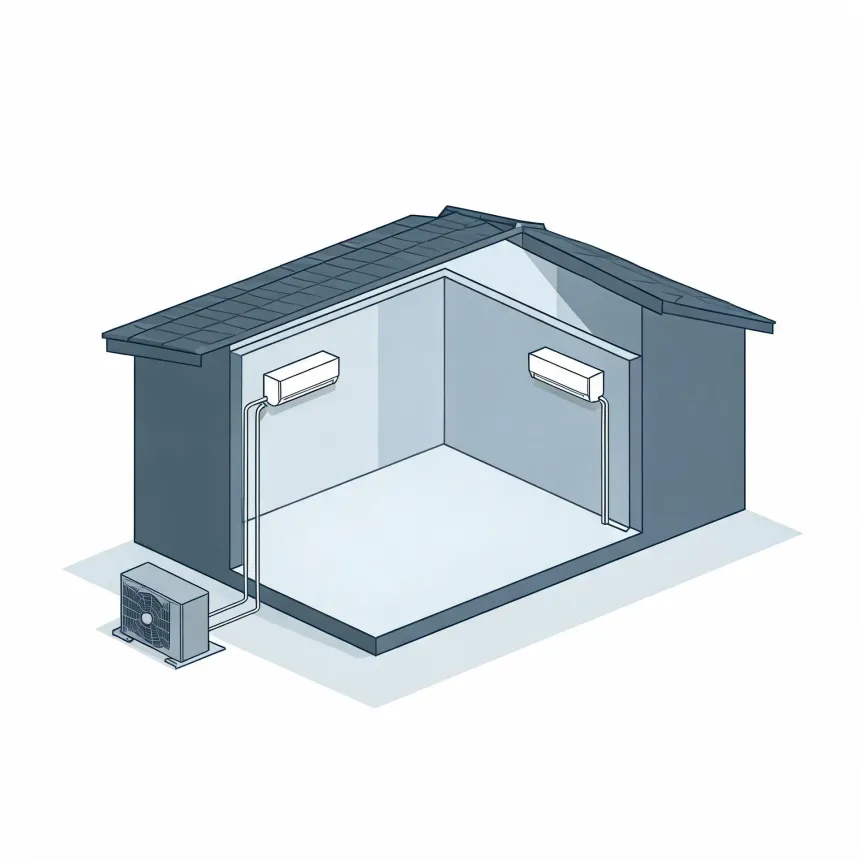
- A single outdoor unit can run one indoor head or several, up to whatever number that model is built for. Each indoor head heats and cools the room it's mounted in, so an open floor plan works better than several closed-off rooms fed by one head. A contractor can size the system to the rooms you want covered once they've seen the layout.
- Can a mini split heat a whole house?
- It can, but it takes an indoor head in enough rooms to cover the house. Homes here need heat from October through May, and winter nights average 23°F, so the system has to keep up on those cold nights across all eight months, not just take the edge off. Whether one outdoor unit can carry that load or the house needs a multi-zone setup with more capacity is something a contractor has to work out from the square footage and how the rooms connect.