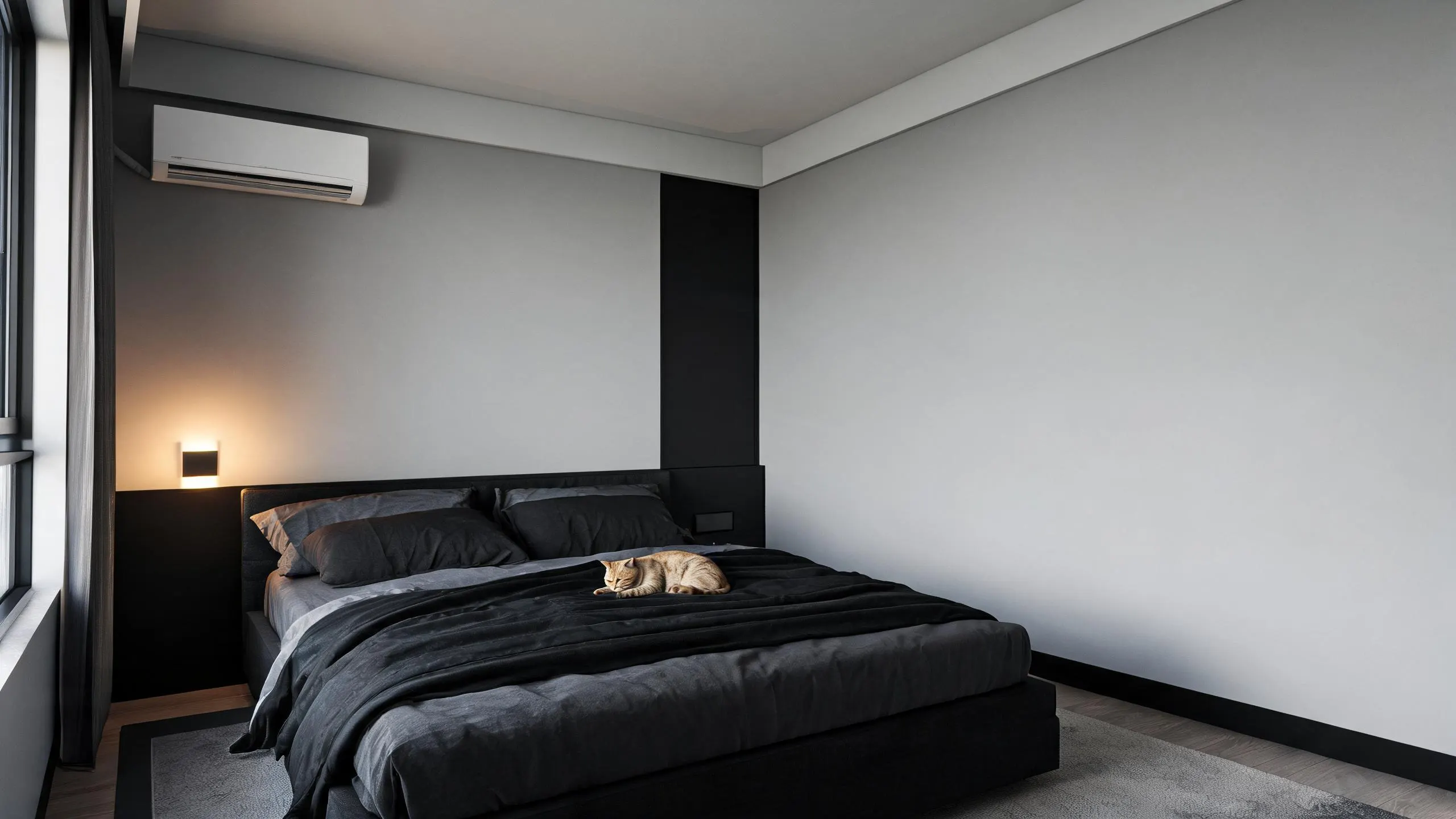
Mini Split Installation in Mansfield, OH
A new system here will heat from October through May and cool from June through August every year. Tell us about the house, and a licensed contractor who covers Richland County will get in touch.
Tell us about the job
It takes about a minute.

What a mini-split in Mansfield has to handle
Winter nights here average 20°F, and homes need heat from October through May, eight months of the year. Add the three summer months of cooling and a mini-split in Mansfield is running eleven months a year. It has to hold up on the coldest nights, keep working into May, then switch over and get through summer afternoons that average 81°F.
A mini-split built in 2023 or later has to meet the federal minimum for its class, 14.3 SEER2 for cooling and 7.5 HSPF2 for heating. With eight months of heating and only three of cooling here, the heating side of that rating carries more of the load.
- 8 months
- October through May, your system heats
- 3 months
- June through August, it cools
- 20°F
- the average winter night it heats against
- 81°F
- the average summer afternoon it cools against
NOAA nClimDiv, 1991–2020 normals
In Ohio, HVAC licensing for homes is left to the counties.
Richland County sets its own rule on who can do HVAC work in homes, since Ohio leaves that decision to the counties instead of running a state license. There is no state test and no state record to check here. Ohio does define what a home contractor is, and that definition includes carrying at least $250,000 in liability insurance, but that is a definition written into the law, not a license the state hands out.
For a mini-split installation, the protection you have comes from the local building office, not from a state license. Most cities and counties require a permit for this kind of installation, and an inspection once the work is done, so someone checks the work before it is considered finished. That permit and inspection are what stand behind the job in Richland County.
Source: Ohio Legislative Service Commission
- Is a mini split worth it?
- It's worth it if you have a room or two that your main system can't keep comfortable, or a space that never had ductwork to begin with. A mini split gives you a heat pump for both heating and cooling in one unit, so it earns its keep here where homes need one or the other 11 months of the year. It also runs without ducts, so nothing is lost to a duct run through an attic or crawlspace. Where it makes less sense is trying to replace a whole-house system room by room, since you would need a head in every room and a place to run the line set to each one.
- How many rooms can a mini split cover?
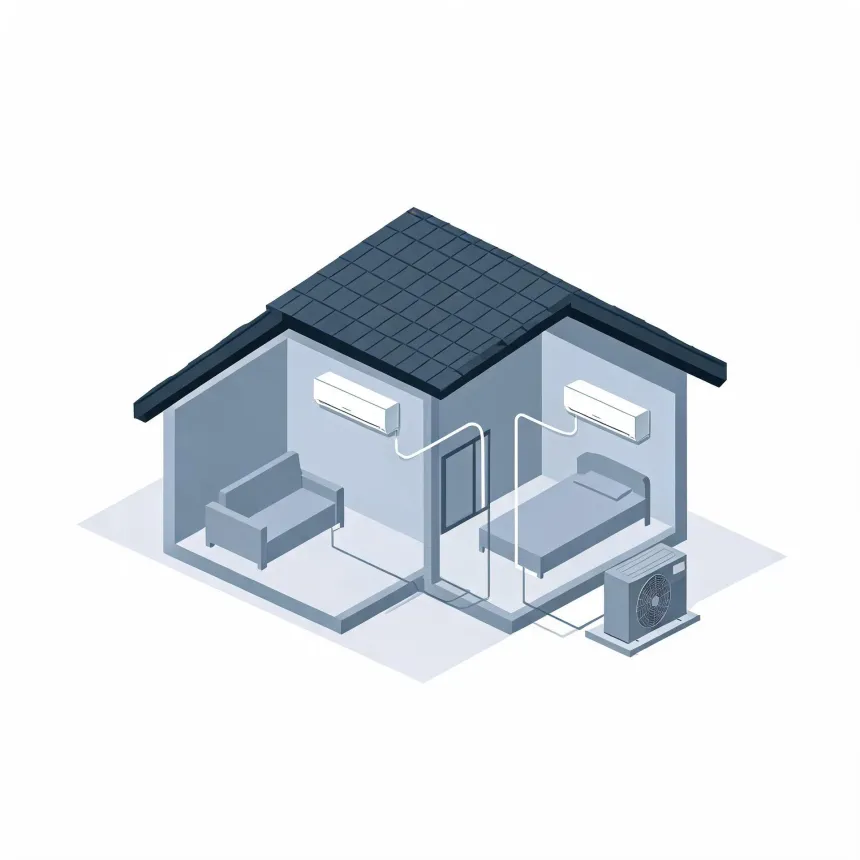
- A single outdoor unit can run more than one indoor head, with each head serving its own room. Every room on the system gets its own thermostat, so you can heat or cool only the rooms in use. The outdoor unit has to be sized for the total load of every room it serves, so a contractor will size it room by room rather than guess at one number for the whole house.
- Can a mini split heat a whole house?
- A mini split can heat a whole house if it's sized and laid out to cover every room, but that takes planning up front, not one unit put in after the fact. Winter nights here average 20°F, so the system has to be chosen for that low, not just for a mild day. Homes here need heat from October through May, eight months of the year, so an undersized system will show it fast. A contractor can work out whether your house needs one larger multi-zone system or a mix of mini splits and your existing furnace to cover the coldest nights.