





Ohio HVAC Pros

Does duct cleaning help allergies in Ohio

Send the form and finding a duct cleaner is handled.

Hand it off

Does duct cleaning help with allergies in Ohio?

You keep sneezing or waking up stuffy, especially once the furnace kicks on for the season, and you're wondering if what's sitting in your ducts is part of the problem. With gas heat running the air through those ducts most of the year, it makes sense to ask whether getting them cleaned would actually calm things down.

For some people, yes. For allergies caused by something else, no.

Dust, pet dander and pollen that gets pulled into the return vents settles in the ductwork, and every time the furnace or AC runs, some of it blows back into the rooms you breathe in. Clearing that out can mean less of it circulating, especially right when heat season starts back up and pushes a winter's worth of dust through the system. But duct cleaning will not touch allergies caused by something living in the house itself, like a damp basement growing mold or a cat shedding daily. If the air feels better for a while after the ducts are cleaned, dust was likely part of what you were reacting to. If it does not change much, the source is probably somewhere the ducts never touch.

A man in a gray knit sweater stands smiling and looking off to the side beside a white marble kitchen island, with a dining table, pendant light, and open shelving in the background.
A smiling man with short dark hair and stubble in a gray sweater sits at a stone-topped counter with a white ceramic mug, in a room with a framed picture, a plant, and shelves holding bowls.
A smiling man in a dark navy sweater sits at a wooden kitchen counter with a light ceramic mug, with white tile backsplash, open shelving and a window with potted plants behind him.
A smiling man with dark hair and a beard, wearing a dark green knit sweater, stands at a kitchen counter with a ceramic mug, with an open living room, sofa, armchair and large windows behind him.

Why does the air feel worse once the furnace turns on

You might notice a musty smell the first time the furnace kicks on for the year, or dust that settles back on the shelves a day after you wipe them down. Some rooms stay stuffier than others, or the vents themselves look gray around the edges when you pull the cover off. If anyone in the house already deals with allergies or asthma, those weeks after the heat first comes on can be rougher than the rest of the year. None of that proves the ducts are the cause, but it's the pattern that sends people looking for an answer, especially with gas heat pushing air through the same ductwork all winter.

Empty unfinished basement with bare concrete walls and floor, showing galvanized sheet metal ductwork, insulated flexible duct, and pipes running along the wood-framed ceiling, with a small window at left.

Ducts that aren't adding to the problem

Sheet metal runs like these move air from the furnace to each room and back. Dust settles in them over time, same as it does on a shelf, but if the system was cleaned and sealed up right, that dust stays put instead of blowing out the vent every time the blower kicks on.


Empty basement room with bare concrete walls and floor, with exposed wooden joists, sheet-metal HVAC ducts, an insulated flexible duct, and pipes running across the ceiling.

Ducts that are stirring allergens into the air

Flex duct and metal runs like these can hold onto dust, pet hair and whatever else gets pulled in, especially around joints and connections that have loosened. Every time the furnace cycles, that buildup gets pushed into the rooms you're breathing in, which is worse for allergies than dust sitting still.

A closed laptop and a ceramic mug of dark coffee sit on a wooden table, with a blurred kitchen counter, potted plant, wooden utensils and cutting boards, and a large window in the background.

What actually happens when a duct gets cleaned

A technician opens the trunk line near the furnace and runs a brush or a whip through each branch while a vacuum unit pulls everything loose out through that opening. The supply runs get done, then the return side, since that's the air coming back into the system and usually the dirtier half. Grilles come off at each room so the line can be reached from both ends. The coil and blower get a look too, because dust that built up there blows straight back into the house every time the furnace runs.

Finding someone who does this correctly, with real negative pressure and a sealed vacuum connection rather than just a brush and a shop vac at one register, is most of the work for a homeowner. That means calls to a handful of companies, asking the same questions about equipment each time, and sorting through quotes that aren't describing the same job. Send the form once and that search is off your plate.

A large weathered ceramic vase and a shallow wooden bowl sit on a rustic wooden table beside a window with linen curtains, with a blurred sofa with cushions and a hanging fabric panel in the background.
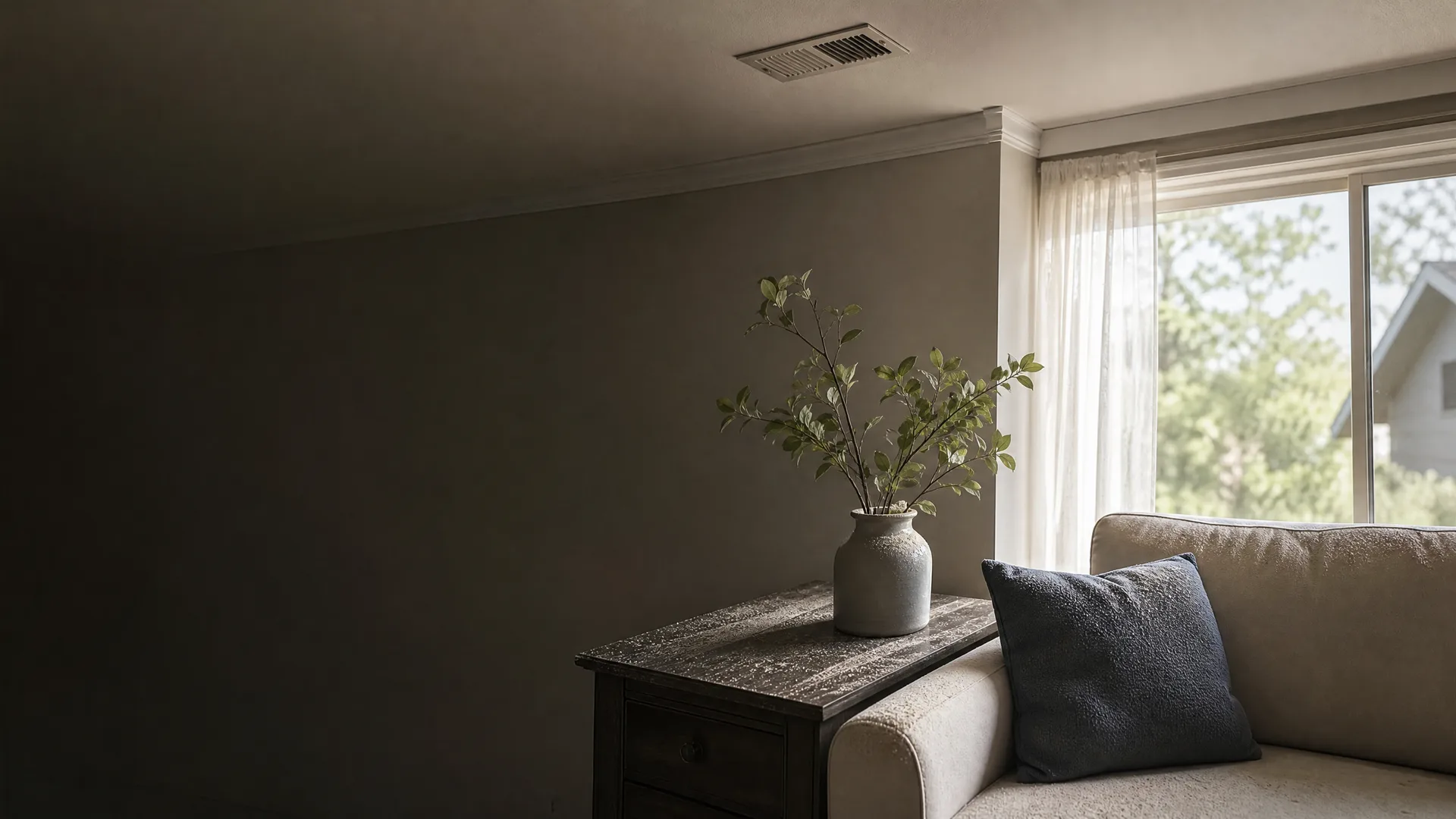
A dimly lit living room corner with a dark wood side table holding a pale ceramic vase of leafy branches, a beige sofa with a dark gray cushion, and a sheer-curtained window showing trees and a roofline outside.

The furnace has been off most of the day. Afternoon light comes in low across the living room, and you catch it then: a gray line of dust along the ceiling vent grille, and a thin film of it on the end table underneath, right where the air blows down when the system kicks on. You wiped that table two days ago. You go to sneeze before you even think about why. Outside, Ohio's spring pollen is already working on you, and some of what settled in that vent is probably sitting on the coffee table too, waiting for the blower to stir it again.

Done looking for a duct system pro

You've read what's sitting in your ducts and why it shows up worse once the furnace is running. The next step is getting someone out to look at your system and tell you what's actually in there, and that part usually means finding a duct cleaner yourself, calling around to see who answers, explaining the sneezing and the dust and the musty smell more than once, then weighing quotes that don't quite describe the same job. Ohio winters mean that furnace runs for months, pushing whatever's in those ducts through the house the whole time. If allergies are worse once the heat kicks on, you don't want to spend weeks sorting through contractors while it keeps happening. Send the request and that search stops being something you have to manage. You go back to dealing with your house, not with finding someone to deal with it.

Dust that recirculates for months instead of settling once is what keeps a reaction going. A duct system that isn't moving air for weeks at a time, like many do between furnace cycles, gives that dust somewhere to build up and wait.

Clear the ducts and there's less for the blower to push back into the room every time it kicks on. That doesn't stop pollen from coming in a window, but it stops your own furnace from adding to the load.

Power costs 16.90 cents per kilowatt-hour statewide

At 16.90 cents a kilowatt-hour, running the furnace blower longer than it needs to run costs you. A duct system clogged with dust makes that blower work harder to push air through, so clearing it out isn't just about what you're breathing. It's about what you're paying to move it around.

EIA-861 2025 statewide residential average

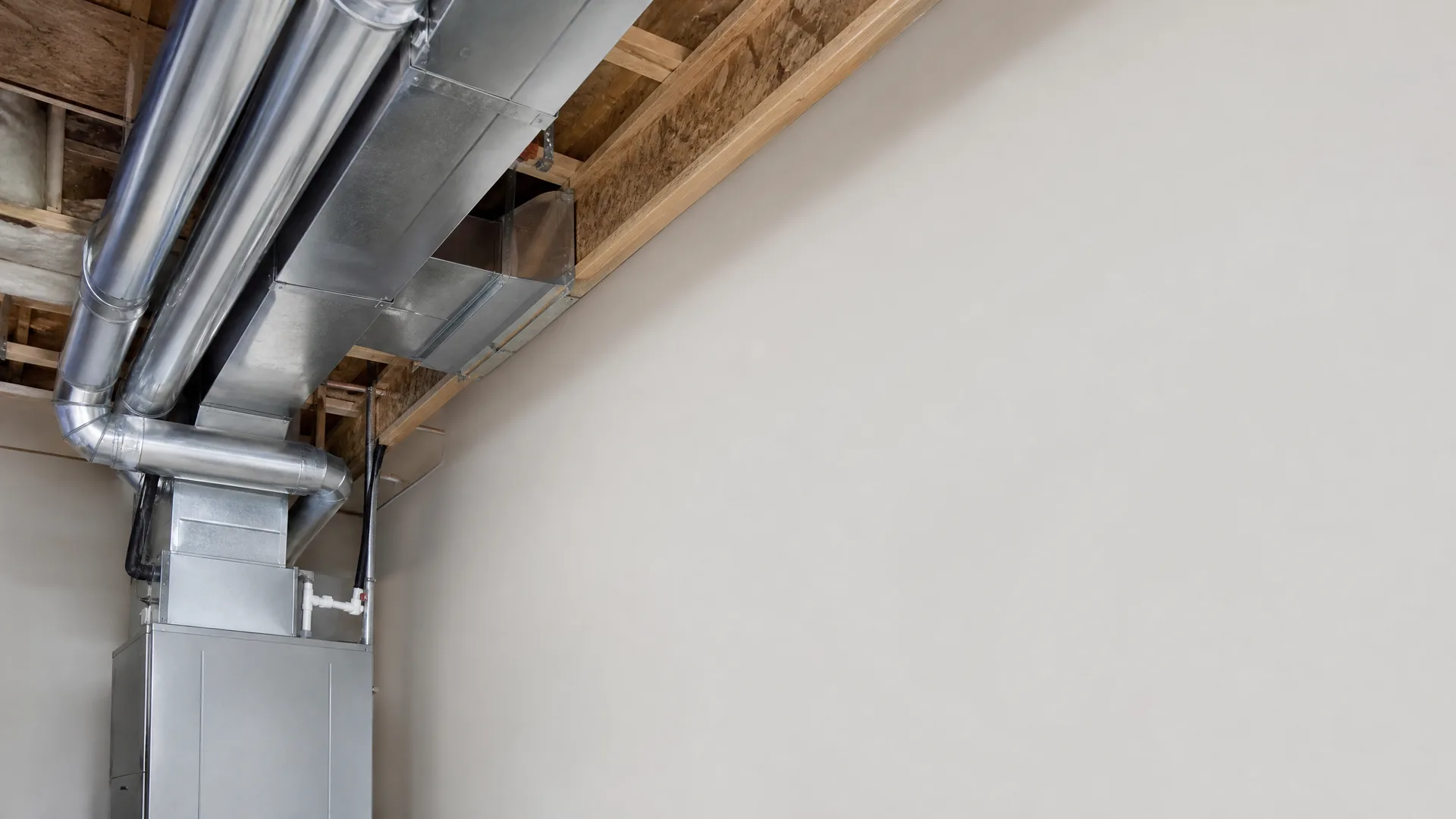
Galvanized sheet-metal ductwork and round pipes running along an exposed wood-joist ceiling with insulation, above a furnace unit beside a blank painted wall.

When cleaning helps your allergies

If the dust and pet hair in your ducts keep stirring back into the air every time the furnace kicks on, clearing them out gives your lungs a break. Homes with pets, a recent renovation, or ducts that have never been cleaned tend to have more sitting in them to begin with. Once that's gone, the furnace is moving air that doesn't have months of buildup waiting in it, and a lot of people notice they're sneezing less by the time the furnace has run a few cycles.

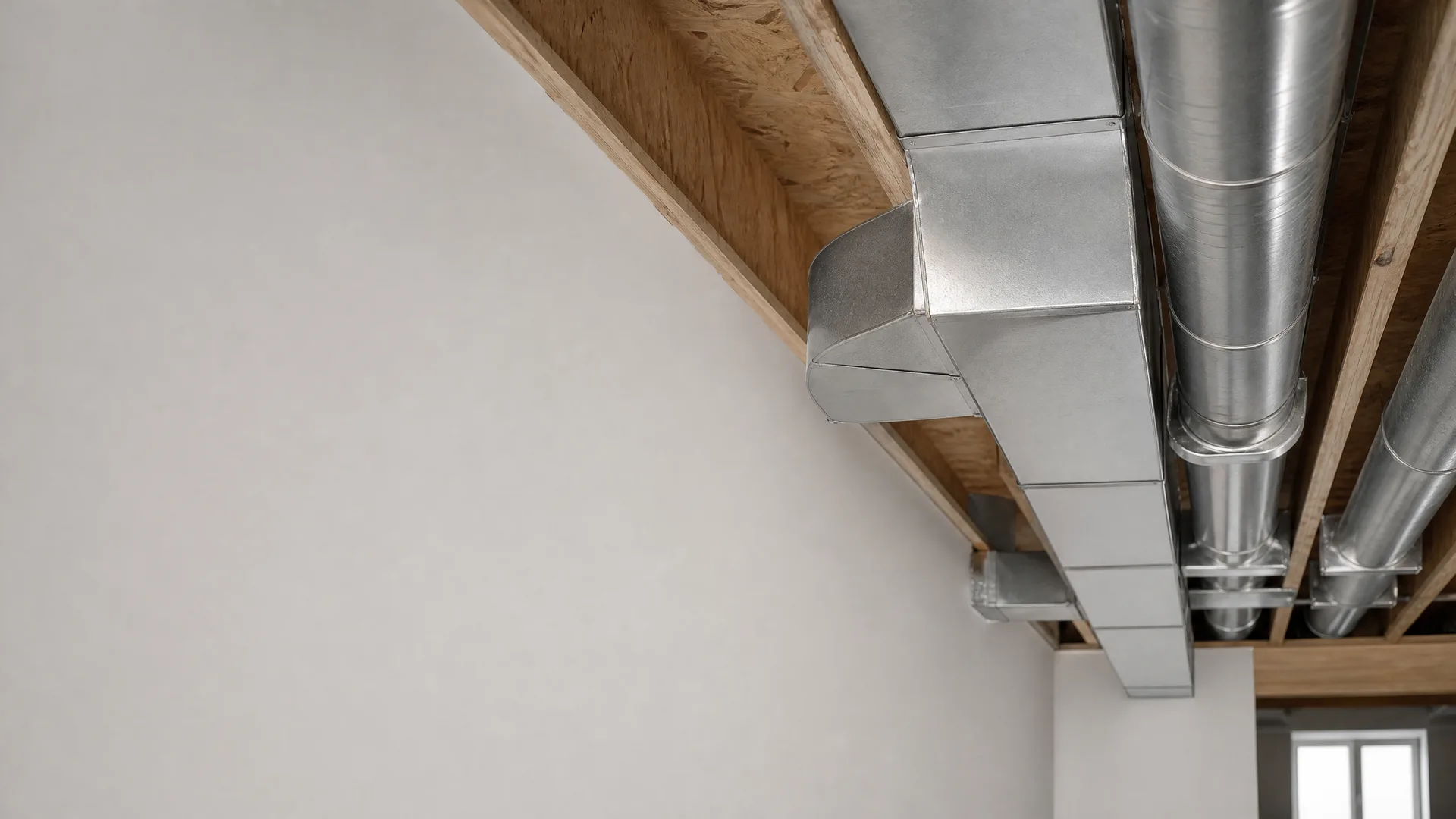
Galvanized rectangular and round sheet-metal ductwork mounted beneath an exposed wooden joist and OSB ceiling, next to a plain white wall and a window at lower right.

When the problem is somewhere else

If your allergies are just as bad in July with the AC running as they are in January with the furnace on, your ducts might not be the main source. A dirty filter, humidity sitting high all summer, or allergens coming in through open windows can cause the same stuffy, sneezy feeling. Cleaning the ducts won't fix a filter you're not changing or humidity you're not controlling. It helps most when the ducts themselves are the thing adding to what you're breathing, not when something else in the house is.

Duct cleaning helps allergies when what's making you sneeze is actually sitting in the ducts, dust, pet hair, debris from a renovation, built up over months of the furnace cycling on and off. It won't touch pollen coming in through an open window or a reaction to something else in the house. For a lot of Ohio homes, especially ones with pets or ducts that have never been cleaned, clearing that buildup out means the furnace stops stirring the same dust back into the air every time it kicks on. You still have to find out what shape your own ducts are in. Rather than calling around and explaining the same thing to a handful of contractors, you can send one form and let someone qualified come look at your system and tell you straight whether this is the fix or just part of it.

A smiling bearded man in a green t-shirt sits on a gray sofa, looking down toward a device at the bottom of the frame, with a bookshelf and a green plant blurred behind him.
A bearded man in a plaid flannel shirt stands indoors beside a wood-framed, frost-covered window, looking outside, with a steaming brown mug on the sill and a wooden cabinet behind him.

Ductwork Cleaning

It's off your list after this

One form replaces the calls you'd make to find a duct system pro.

A black-framed smartphone standing upright against a plain light gray background, its screen filled with solid green.
Duct and vent cleaningDucts or ventsOhio
Step 1 of 2

What ZIP code is the job in?