
HVAC Installation in Dayton, OH
A new system here will heat from October through May and cool from June through September every year. Tell us about the house, and a licensed contractor who covers Montgomery County will get in touch.
Tell us about the job
It takes about a minute.
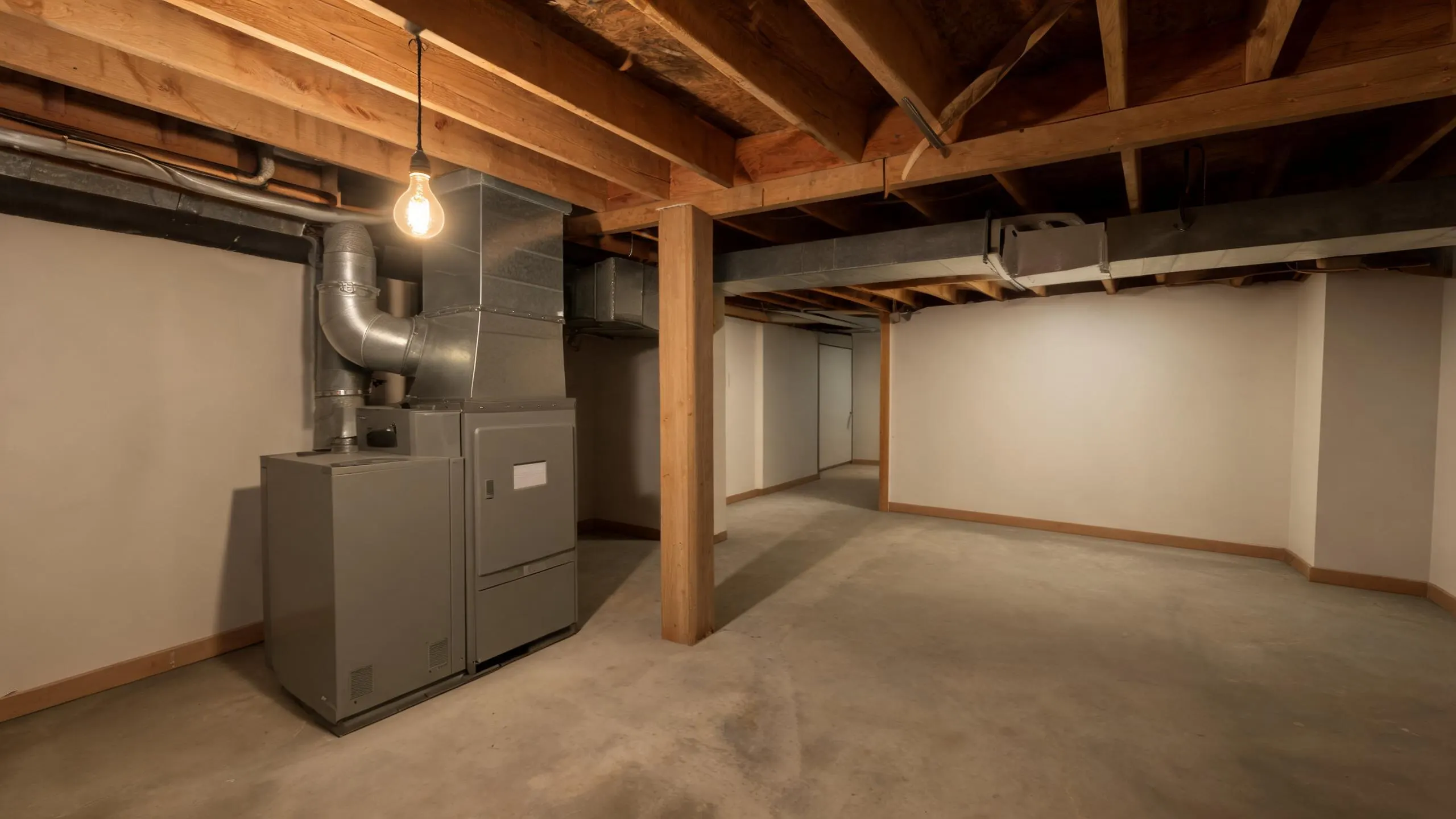
Montgomery County asks a lot of a new system
Your new system will run almost year round here. Heat from October through May, eight months, then cooling from June through September. Winter nights average 24°F, so the furnace has to bring a cold house back up to temperature night after night. Summer afternoons average 84°F, which is real work for the coil but nothing extreme.
Most homes in this area heat with gas, and whatever you install has to meet the federal efficiency minimum for that equipment. Storms are worth planning around too. The last ten years brought 8 winter storms and 188 damaging wind events, and close to a fifth of Ohio households lost power for a full day or more in 2024. A new system installed well should handle the daily demands of the climate here. Whether it keeps you warm when the power drops is a separate question, worth asking about.
- 8 months
- October through May, your system heats
- 4 months
- June through September, it cools
- 24°F
- the average winter night it heats against
- 84°F
- the average summer afternoon it cools against
NOAA nClimDiv, 1991–2020 normals
In Ohio, HVAC licensing for homes is left to the counties.
Ohio does not license HVAC contractors at the state level. That rule is left to the county, so what stands between you and the work depends on where the house sits, in this case Montgomery County. Ohio does define a home contractor as someone carrying at least $250,000 in liability insurance, but that is a definition written into state law, not a license anyone earns or a test anyone passes.
For this installation, in most cities and counties, replacing a furnace, air conditioner or heat pump needs a permit from the local building office, and the finished work gets inspected once it is done.
Source: Ohio Legislative Service Commission
- When should I replace my HVAC system?
- Replace it when repairs start costing more than they're worth or the system can't keep up anymore. An older furnace or air conditioner works harder each season, and if you're calling for repairs every winter or summer, that's the sign. Age alone isn't the test. A unit that runs fine can wait, but one that struggles to keep the house warm on a cold night is telling you something. A contractor can look at the age, the repair history, and how the system is actually performing in your house before you decide.
- Should I replace my furnace and air conditioner at the same time?
- If both are old, replacing them together often makes sense, but it depends on the condition of each one. A furnace and air conditioner installed at the same time tend to wear out around the same time too, so if your furnace is failing, the air conditioner next to it is probably not far behind. They also share parts of the system, like the blower and sometimes the coil, so matching them can mean better performance. But if one unit is only a few years old and running fine, there's no reason to replace it early. A contractor can check both and tell you honestly whether one or both need to go.
- What happens during an HVAC installation?
- A contractor removes the old equipment, sets the new furnace or air conditioner in place, and connects it to your ductwork, gas line or refrigerant lines, and electrical. Then comes testing. That means checking gas pressure or refrigerant charge, making sure the thermostat talks to the new system, and confirming it heats or cools the way it should before they leave. The exact steps depend on what you're having installed and what's already in the house. A contractor looking at your setup can walk you through what your installation will involve.