
HVAC Installation in Youngstown, OH
A new system here will heat from October through May and cool from June through August every year. Tell us about the house, and a licensed contractor who covers Mahoning County will get in touch.
Tell us about the job
It takes about a minute.
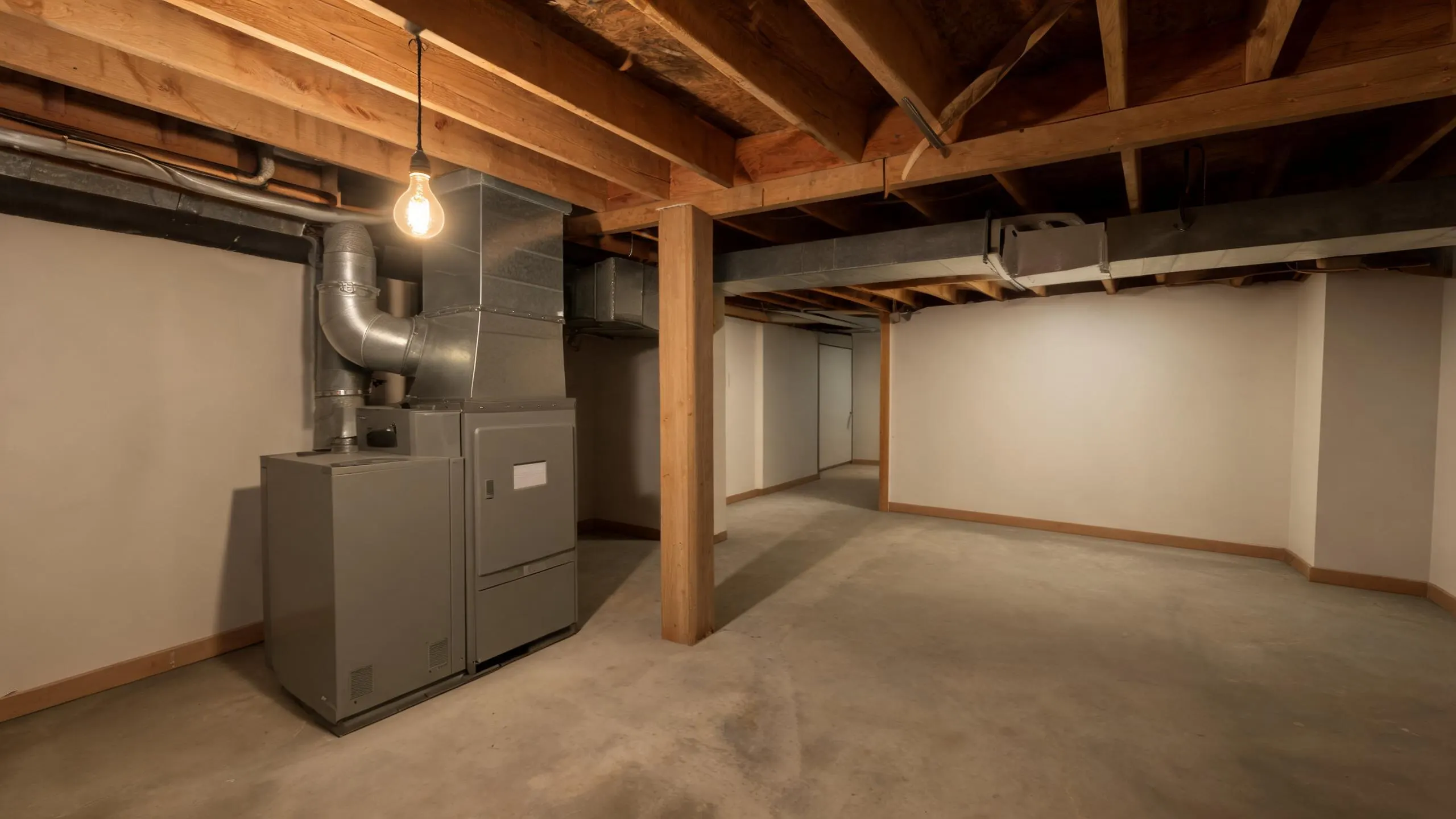
Eleven months a year, your system is working
Winter nights here average 21°F, and homes need heat for it from October through May, eight months straight. Summer afternoons average 81°F, and the same house needs to keep up with that from June through August. Only one month asks nothing of either system.
Most homes here heat with gas, and a new furnace has to be sized for those 21°F nights, not just a mild one. The air conditioner side matters too, since it has to hold up on the afternoons that push past 81°F, not just the average one.
Mahoning County has logged 81 damaging wind events and 7 winter storms over the past ten years. In 2024, 18% of Ohio households lost power for at least 24 hours. A new system is worth planning around that, since a furnace or air conditioner still needs power to run even when the gas is on.
- 8 months
- October through May, your system heats
- 3 months
- June through August, it cools
- 21°F
- the average winter night it heats against
- 81°F
- the average summer afternoon it cools against
NOAA nClimDiv, 1991–2020 normals
In Ohio, HVAC licensing for homes is left to the counties.
Mahoning County sets its own rule for who can do this work, since Ohio leaves HVAC licensing to the counties rather than testing and licensing contractors itself. Ohio does define a home contractor as someone carrying at least $250,000 in liability insurance, but that is a definition written into state law, not a license anyone had to earn.
Because no state license backs this job, the protection on an installation like yours comes mostly from the local building office. In most cities and counties, replacing a furnace, air conditioner or heat pump needs a permit, and the work gets inspected once it is done. That is the check on this job here, not a state license.
Source: Ohio Legislative Service Commission
- When should I replace my HVAC system?
- Look at the age first. Furnaces and air conditioners both have a working lifespan, and once yours is old enough that parts are harder to find, repairs start costing more than they used to. If your furnace is breaking down mid-winter here, that is not a season to gamble on one more year. Rising energy bills with no other explanation, and repair calls that keep coming back for the same problem, both mean it is time to talk to a contractor about replacement instead of another fix.
- Should I replace my furnace and air conditioner at the same time?
- If both are old, yes, and here is why. A furnace and air conditioner installed years apart often were not matched to work together, and pairing a new unit with an old one can mean the new one never runs at its rated efficiency. Homes here need heat from October through May and cooling from June through August, so both systems get real use most of the year. If one is already near the end of its life, replacing both now means one installation instead of two, and a system built to work as a pair.
- What happens during an HVAC installation?
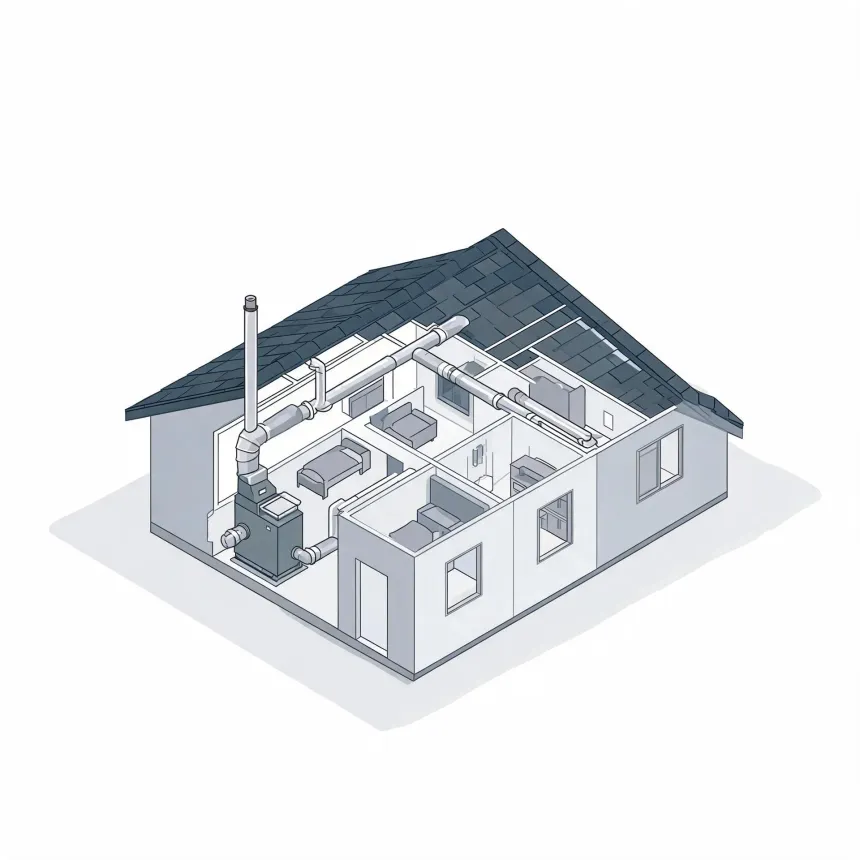
- A contractor first sizes the equipment to your house, checking the ductwork, insulation and square footage rather than just swapping in the same tonnage as before. The old furnace or air conditioner comes out, and the new equipment goes in with new electrical connections, refrigerant lines, and venting as needed. Ductwork gets checked for leaks and connected to the new unit, and the system gets tested for correct airflow, temperature rise, and refrigerant charge before the contractor walks you through it. The exact steps depend on whether it is a straight swap or a bigger change, like moving to a different fuel type or adding ductwork, so a contractor can walk you through what your specific job involves.