
HVAC Repair in Youngstown, OH
Homes here need heat from October through May and cooling from June through August. If your system quits, tell us what it's doing and a licensed contractor who covers Mahoning County will get in touch.
Tell us about the job
It takes about a minute.

Eleven months of work a year on your system
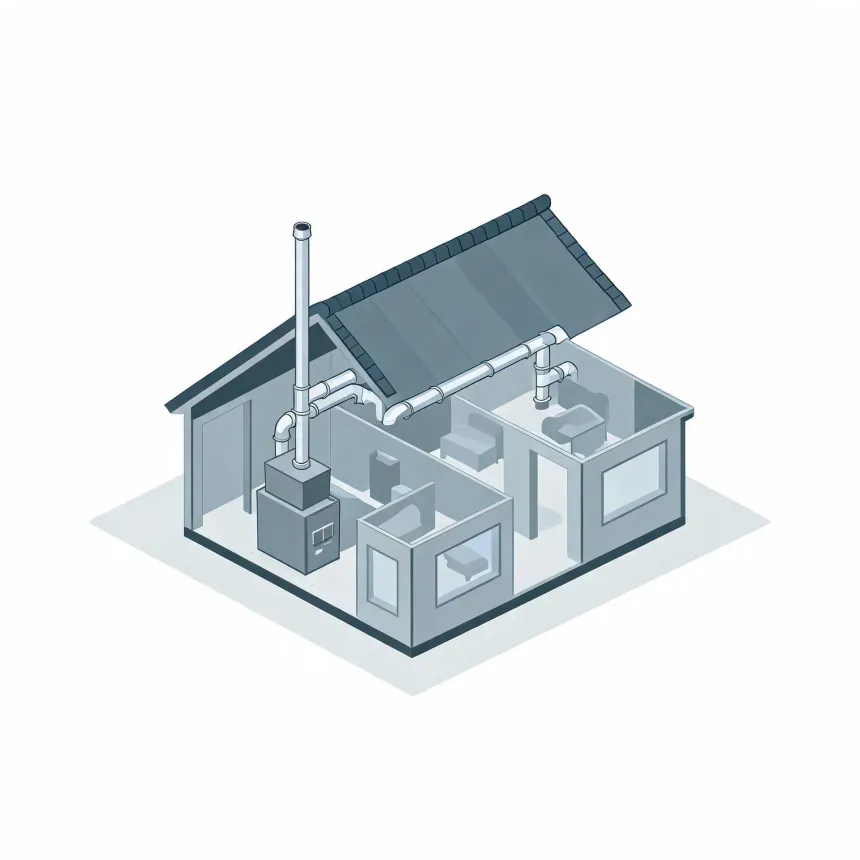
Mahoning County only gives your furnace and your air conditioner about one month off. Heat runs October through May, and nights that average 21°F keep the burner cycling on and off most of the winter. Each start puts a little more wear on the igniter and the flame sensor. When one of those finally gives out, the furnace either won't light or shuts itself off after a few minutes.
Summer is shorter but still real work. Afternoons averaging 81°F push the air conditioner to run long stretches to keep up, and a system low on refrigerant or dragging a weak capacitor will run longer still without cooling the house. Add in the storms this area sees, winter systems that can knock out power and wind events that can down a line, and a system that was already struggling gets pushed past what it can handle.
- 8 months
- October through May, your system heats
- 3 months
- June through August, it cools
- 21°F
- the average winter night it heats against
- 81°F
- the average summer afternoon it cools against
NOAA nClimDiv, 1991–2020 normals
A new furnace and air conditioner would cut about $180 a year off heating and cooling for a typical Mahoning County home.
Estimates for a typical Mahoning County home, compared with an older unit built to the previous federal minimum, from EIA household energy data, Ohio fuel prices and NOAA climate normals. Your home will differ.
Repair makes sense when one part has failed.
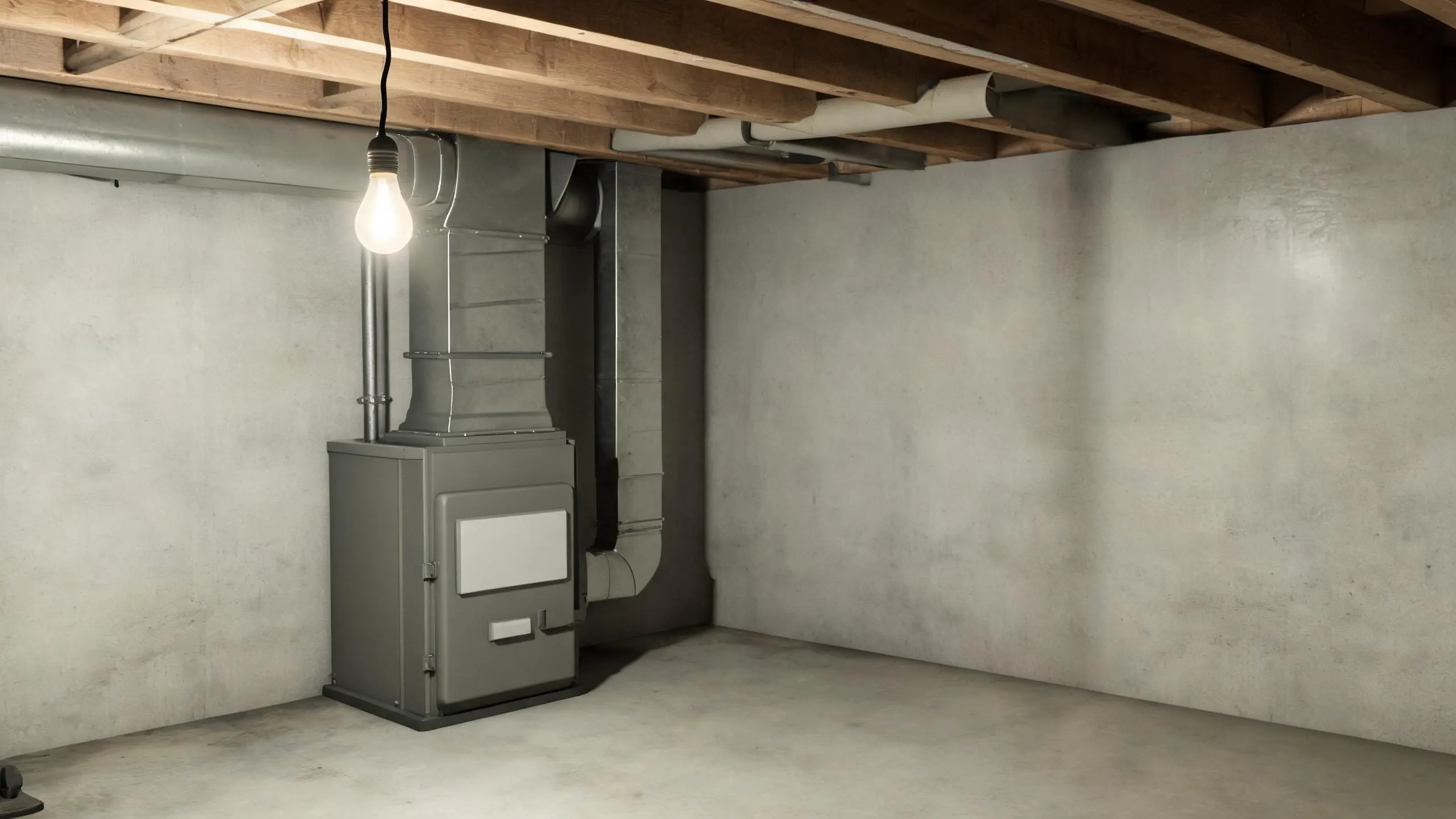
Replacement makes sense when the furnace's heat exchanger is cracked, the air conditioner's compressor has failed, or repairs keep coming.
In Ohio, HVAC licensing for homes is left to the counties.
Whether a license is required for this repair depends on where in Mahoning County the house sits. Ohio leaves that rule to the counties, so there is no statewide test or state record to check either way. What Ohio does define is the term home contractor, and that definition includes carrying at least $250,000 in liability insurance. That is not a license and nothing was tested to reach it, but it applies no matter the address.
For a repair to a heating and cooling system, that insurance definition is the one fact that holds across the county regardless of what else applies locally. Anything beyond it, whether the county requires a license or an inspection for this kind of work, depends on which part of Mahoning County the house is in.
Source: Ohio Legislative Service Commission
- Why is my heat not working?
- Start with the thermostat. Make sure it is set to heat and the temperature is set above the room temperature, since a bumped switch or a dead battery causes more no-heat calls than people expect. If the thermostat looks right, check the breaker for the furnace and the switch that looks like a light switch near the unit, since some homes wire the furnace to a wall switch. If gas heat comes on but blows cold air or shuts off after a few minutes, the igniter or flame sensor is a common cause, and that is a job for a contractor. Winter nights here average 21°F, so if the furnace is down, it is worth getting someone out quickly rather than waiting.
- Why is my system running but not cooling the house?
- Check the air filter first. A filter clogged with dust chokes off airflow across the coil, and the system will run without cooling the house. Next check outside at the condenser, the unit sitting outdoors. If the fan isn't turning or the unit is caked with grass clippings or leaves, it can't move enough air across the coil to cool the refrigerant. If the filter is clean and the outdoor unit is running and clear, the system may be low on refrigerant or have a failing part inside, and that calls for a contractor to check with gauges.
- What can I check before calling for HVAC repair?
- Check the thermostat settings, the batteries in it, and the breaker for the system. These three cause a real share of no-heat and no-cool calls and take a minute to rule out. Check the air filter next and replace it if it's gray or clogged, since restricted airflow can look like a bigger problem than it is. For a furnace, look for a reset button or a switch nearby that may have been bumped. If everything checks out and the system still isn't working, a contractor will need to look at it directly. Given that Ohio saw 81 damaging wind events over the past ten years, it's also worth checking outside for storm damage to the outdoor unit or its wiring before assuming the problem is internal.