

Musty smell from vents in Canton, OH
One request and the duct cleaning stops waiting on you.
Let a pro reach outThat musty smell means moisture sitting somewhere in your duct system, usually on the evaporator coil or in the ductwork itself. Stark County summers run humid, and when your air conditioner pulls that moisture out of the air, it has to go somewhere. Normally it drains away. If the coil stays wet between cycles, or if condensation collects in the ductwork and just sits there, mold and mildew start growing on that moisture, and every time air moves through, it carries the smell into your rooms. A clogged drain line or ducts that never fully dry out between runs are common causes. It is not just unpleasant. Mold in the ducts means you are breathing that air every day, and it tends to get worse as the system keeps running through the summer. A proper cleaning clears out the growth and whatever is feeding it, so the air moving through your home stops carrying that smell with it.

Why the coil holds water
Your evaporator coil runs cold enough to pull moisture straight out of the air passing over it. That water is supposed to drip into a pan and drain outside through a condensate line. If that line clogs with algae or the pan sits slightly off level, the water stays on the coil instead of leaving the system. A wet coil sitting in the dark for hours at a time is exactly where mold takes hold, and the smell it makes travels through the ductwork to every room on that system.

What a cleaning actually removes
Duct cleaning clears the coil, the drain pan, and the duct runs themselves of the buildup that's been feeding the smell. A contractor working on Stark County systems through another humid summer knows which spots hold moisture longest and checks those first, rather than treating the whole system the same way. Clearing that buildup doesn't change the humidity coming off the coil. It removes what the moisture had been growing on, which is what carries the smell into your air.
Clean the Ducts or Fix the Source
Duct cleaning
- Clears out the dust, debris and standing moisture sitting in the ductwork where the smell is coming from.
- Addresses the duct system directly rather than covering the smell with a filter change or an air freshener.
- A local contractor who services Stark County homes all summer will know whether your layout is prone to trapping water near the coil.
- Worth doing if the smell shows up every summer once the air conditioner starts pulling humidity out of the air.
- Does not fix a clogged condensate line or a sagging drain pan if that is what is feeding the moisture.
- Usually needs pairing with a coil or drain inspection so the same moisture does not build back up.
Coil and drain repair
- Targets the actual source if water is backing up at the evaporator coil or the condensate pan instead of draining outside.
- Stops the smell at the cause rather than removing what has already collected in the ducts.
- Does nothing for dust or debris already sitting in the ductwork from past seasons.
- Makes more sense if the smell showed up suddenly along with visible water near the indoor unit.
- A contractor familiar with Stark County systems can tell quickly whether it is the line, the pan or the coil itself.
- Often the smaller job, since clearing a line or resealing a pan takes less time than cleaning an entire duct run.




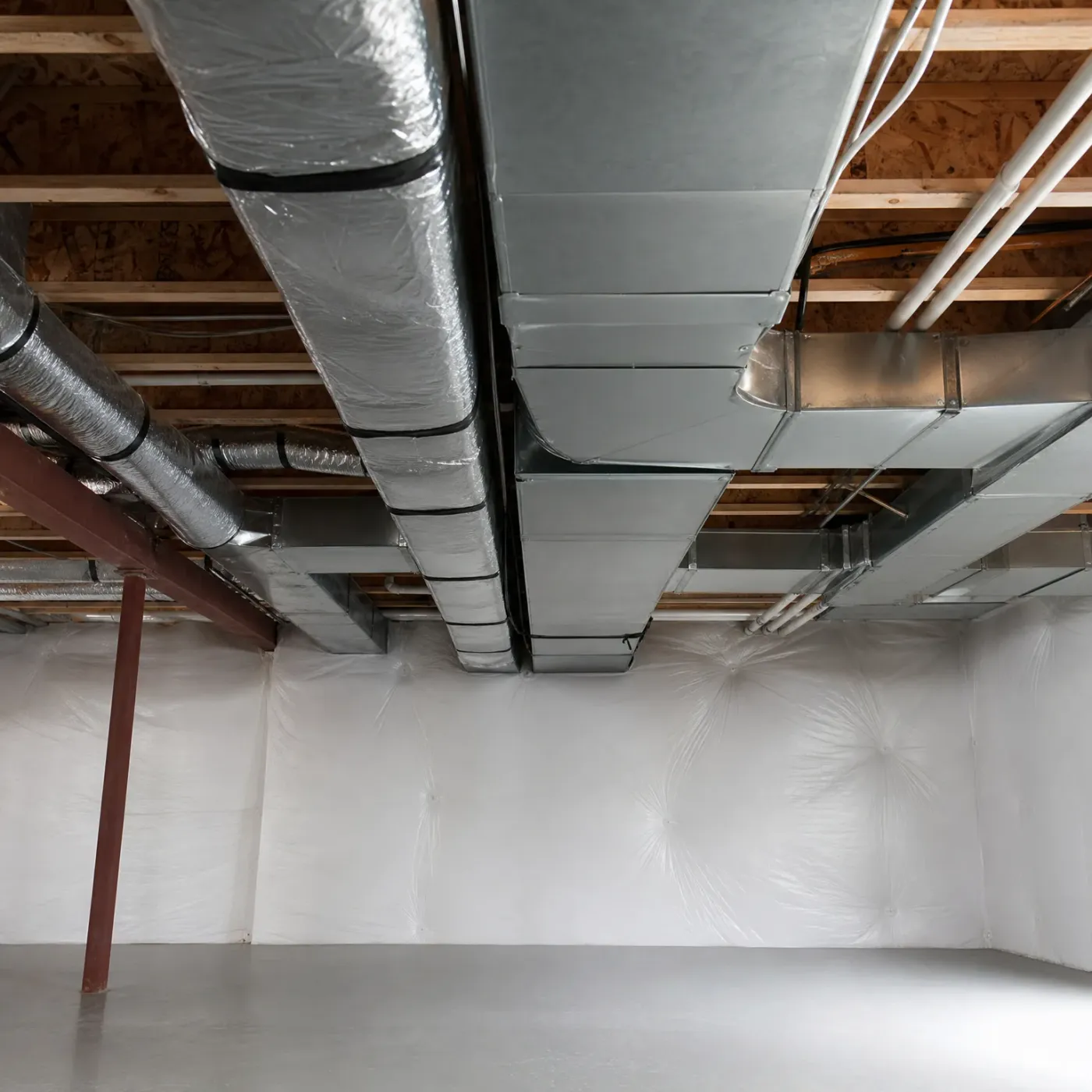
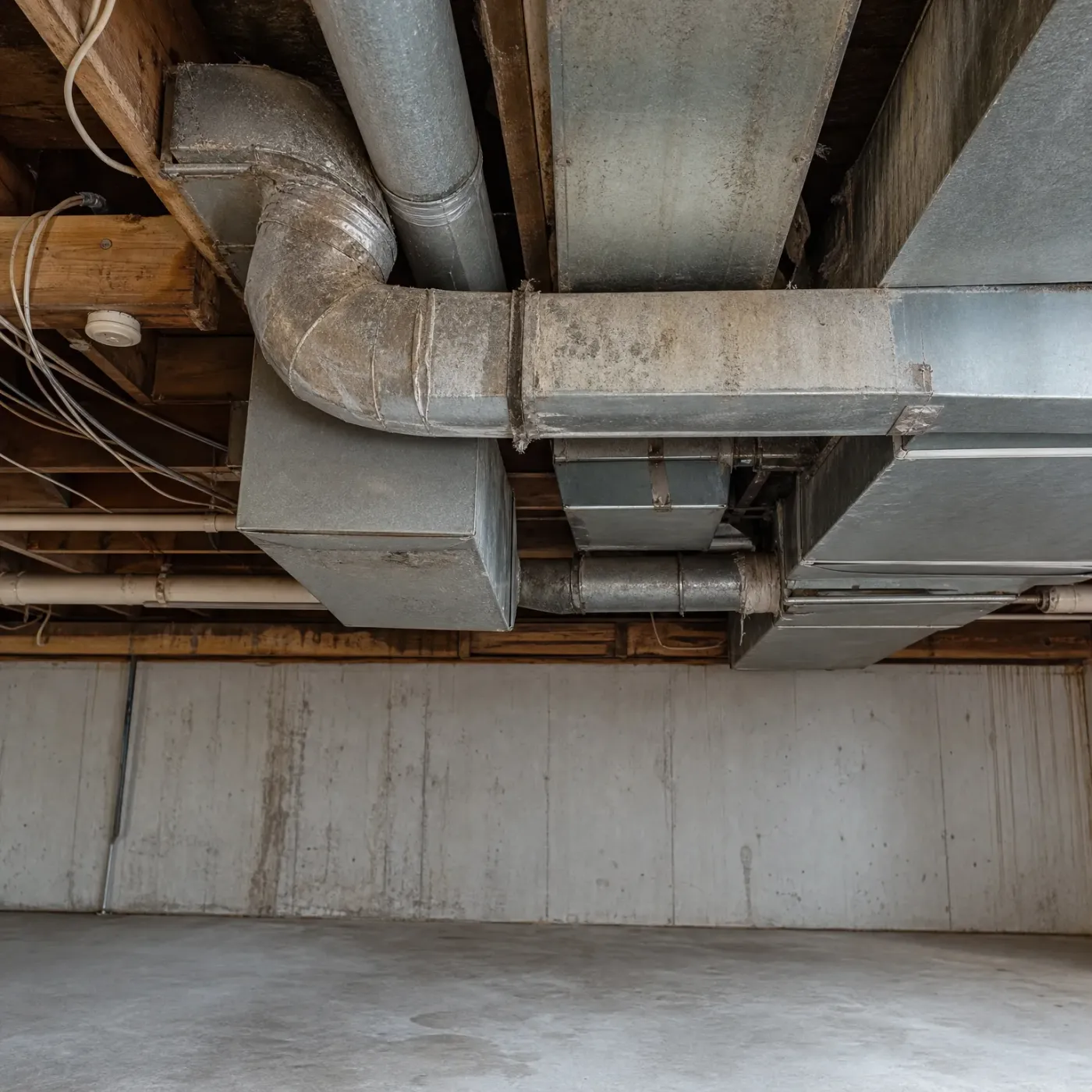

Moisture collects on the evaporator coil or in duct runs
A musty smell works its way into the air supply
A contractor inspects the coil, drain line and ductwork
Standing water and debris get cleared from the system
Is that smell getting stronger when the AC kicks on?
You probably noticed it first in a bedroom or wherever a vent sits closest to the unit, a damp, closed-up smell that gets stronger the longer the air conditioner runs. Walk into a room after it's been off for a while and the smell is faint. Turn it on and within a few minutes it's back, sometimes strong enough that you check for a wet spot or spoiled food before you think about the ducts. Some households notice it mostly in one room, others get it through the whole house depending on how the ductwork is laid out. Left alone through a Stark County summer, that moisture sitting in the ducts doesn't dry out on its own, and mold growing on a damp coil or in a duct run can mean more than a bad smell for anyone in the house with allergies or breathing trouble.


Let someone else find the pro
A contractor who works on duct systems around Canton knows what a Stark County summer does to a coil that never fully dries out between cycles. That experience matters here because a musty smell can come from the coil, the drain line, or the ductwork itself, and telling those apart usually means getting eyes on the system rather than guessing from a vent. Send the request once and it goes to one local contractor, not a handful of companies competing for the job, so you get someone who services this kind of equipment regularly instead of a round of unfamiliar callbacks. That smell isn't going to clear up on its own while the humidity holds through the summer. The longer moisture sits in the ducts, the more it works into furniture, closets, whatever room that vent feeds. Getting someone out to look at the coil and the duct runs now is what stops that smell from becoming a fall and winter problem too.
Smell only when the AC runs
If the musty smell shows up only while the air conditioner is on and fades once it shuts off, the moisture is most likely sitting on the evaporator coil or in the drain pan right under it. That coil is cold and wet every time the system runs, and in a humid Stark County summer it rarely gets the chance to dry out between cycles. A contractor checking this will look at the coil first, along with the drain line underneath it, before opening up any ductwork. This is usually the simpler fix, since the moisture source sits in one spot instead of spread through the duct runs feeding every room.
Smell in the house all the time
If the smell is there whether the AC is running or not, it has likely worked its way into the ductwork itself, not just the coil. Dust mixed with moisture inside a duct run gives mold something to hold onto, and once that happens, every room fed by that run carries the smell, AC on or off. This usually means the duct system needs to be cleaned out, not just the coil and drain line. A contractor can run a camera through the ducts to see where the buildup sits before deciding whether cleaning the whole system is what it takes to clear the smell for good.
Power here costs 18.28 cents per kilowatt-hour
At 18.28 cents per kilowatt-hour, running your air conditioner harder than it needs to costs you more here than in most places. A duct system clogged with moisture and debris makes the blower work longer to push air through, and that extra runtime shows up on your bill.
EIA-861 2025
Let it sit and the smell usually gets worse, not better. Dust and moisture in the ductwork feed mold growth, and mold spreads as long as it has something damp to grow on.
Have the ducts cleaned and the smell has nothing left to feed on. A contractor pulls out the debris and standing moisture, and dry ductwork doesn't carry an odor into your rooms.
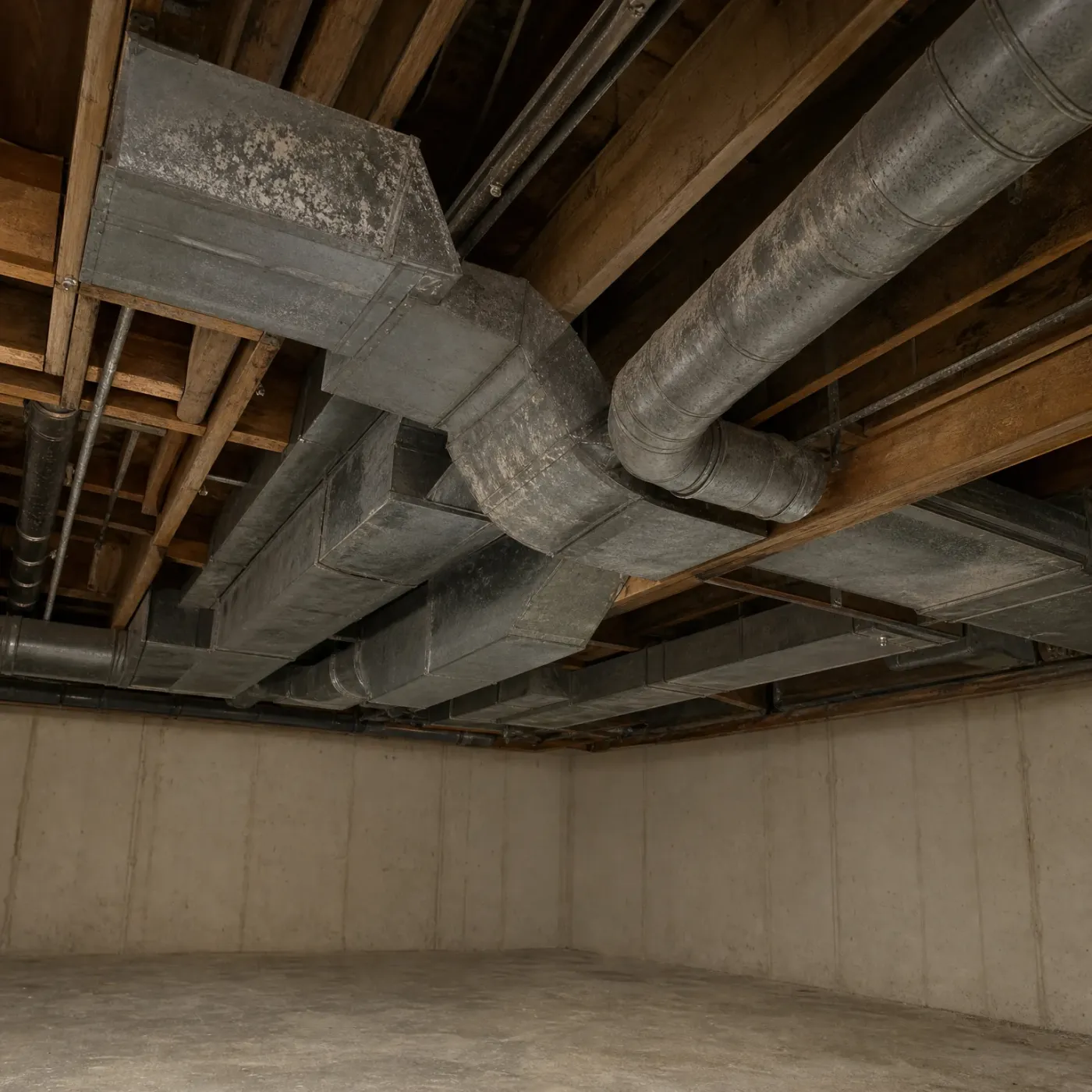

How long does this smell stick around in your house?
Half the homes here were built by 1966
Your furnace runs eight months a year here, October through May, so the ducts rarely get a break for moisture to fully clear on their own.
Heat runs October through May
AC runs about three months here, June through August, but that's long enough for a wet coil to seed a smell that lasts the other nine.
Cooling runs June through August
Half the homes in Stark County were built in 1966 or earlier, and ductwork that old has had decades of cycles to collect what's causing the smell.
ACS 2020-2024 · NOAA nClimDiv 1991-2020
What the smell in your vents means
- A musty smell from your vents means moisture sitting on the coil, in the drain pan, or somewhere in the ductwork.
- Stark County summers keep that coil wet for months, which is why the smell comes back once it starts.
- Cleaning clears out the standing moisture and debris instead of masking the smell with a filter or spray.
- A local contractor who works on duct systems through Canton summers knows where that moisture tends to collect first.
- Left alone, the moisture keeps feeding mold growth and the smell gets worse, not better.
- One contractor handles the request, so you're not fielding calls from several companies about the same job.
The smell comes down to moisture with nowhere to go, sitting on the coil, in the drain pan, or in the ductwork itself. Stark County summers keep that coil working hard, pulling water out of the air every time the AC runs, and that moisture has to drain somewhere or it sits. Once it sits, it feeds mold, and mold is what you're actually smelling every time a vent kicks on. A filter change or a can of spray does nothing for moisture sitting in a duct run or a drain pan. Cleaning does, because it clears out what's actually there instead of covering it up.
A contractor who works on duct systems through Canton summers has seen this pattern before, season after season. They know a coil that stays wet through July and August behaves differently than one in a drier climate, and they know where to check first: the drain line, the pan, the low spots in the ductwork where water and dust settle together. That's the kind of thing you only know from doing this work locally, year after year.
When you send a request through this page, it goes to one contractor, not a handful. You won't be sorting through calls from different companies trying to win the same job. Just someone local, already familiar with what Stark County summers do to a duct system, looking at your specific setup. The smell didn't show up overnight, and it won't clear on its own. But it has a clear cause, and that cause can be found and fixed.
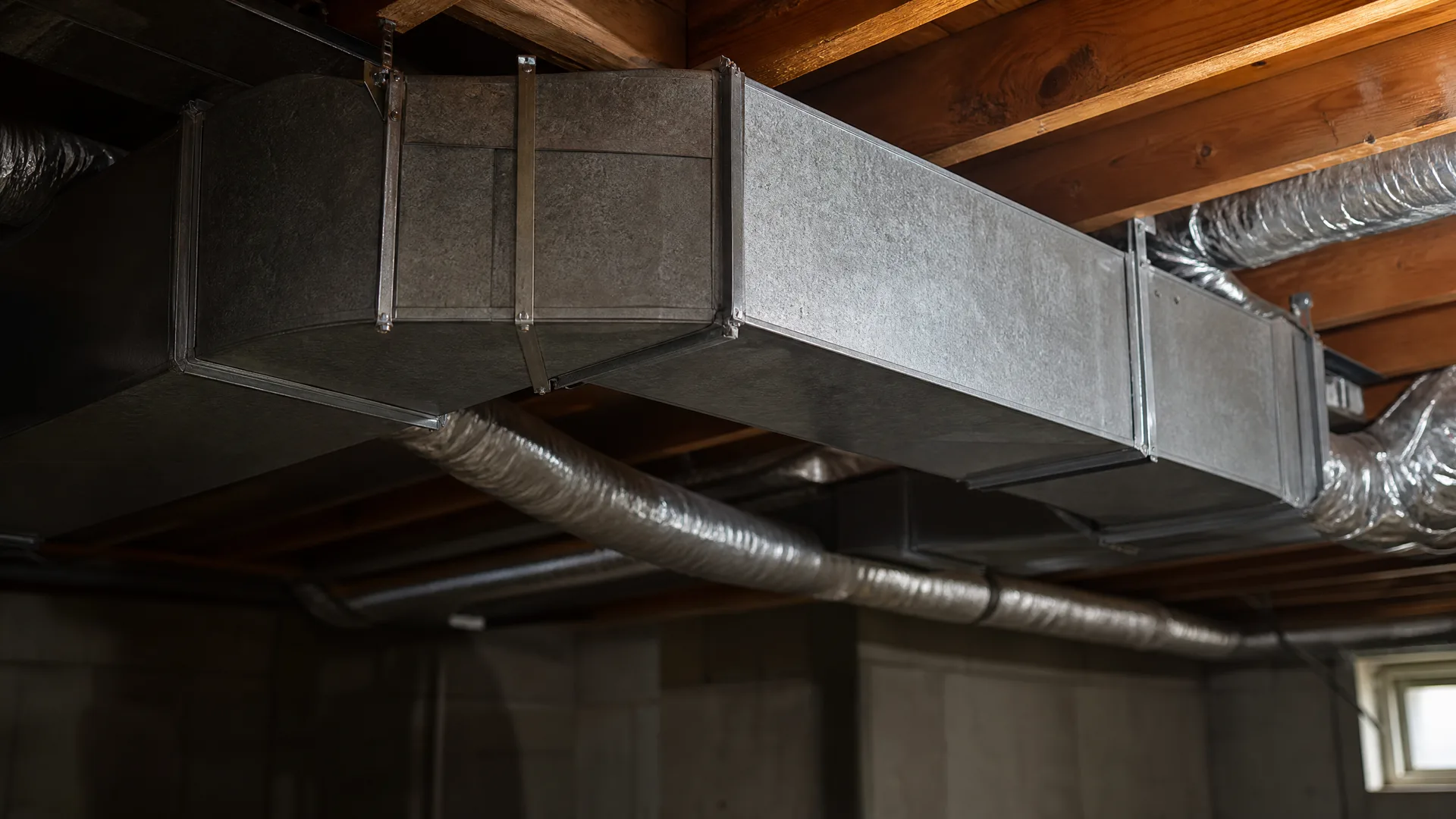
One request and it's handed off