
Why your house is so dusty in Canton, OH

A galvanized steel round duct with a 90-degree elbow and a white louvered vent cover on one end, shown against a plain gray background.
Get a local pro

Dust that settles back within a day or two usually means your duct system is moving it around the house rather than catching it. Furnaces and air handlers run almost nonstop through a Stark County winter and summer both, cold months on gas heat, hot muggy months on AC, and every pass of air carries along whatever has settled in the ducts, the return grilles, and the coil. A clogged filter makes it worse, since air starts pulling in around the edges instead of through it, picking up dust from inside the duct walls themselves. Leaky ducts add to it too, drawing in attic or crawlspace air loaded with fine particles and pushing it straight into your living space. If you've changed the filter and the dust keeps coming back fast, the buildup is likely inside the ductwork itself, not in the room air. A full cleaning clears that out instead of just filtering what's already circulating.

What's pushing dust through your house in Canton?

  • Half the homes here were built by 1966

    Half the homes in Stark County were built in 1966 or earlier, and older duct runs tend to have more joints and gaps where dust gets pulled in and blown back out.

  • Heat runs October through May

    Heat runs October through May here, about eight months. That's eight months of air moving through the same ducts, carrying dust with it.

  • Cooling runs June through August

    Cooling runs June through August. Even in the three mild months off, the same ducts are still the path dust travels every time the system kicks on.

ACS 2020-2024 · NOAA nClimDiv 1991-2020

A dusty house versus a clean duct system

A house that gathers dust fast isn't always a dirty house. Furniture, pets, open windows in spring, all of that adds dust to any home. The difference shows up in how fast it comes back after you clean. If dusting on Saturday means dusting again by Tuesday, the dust has a way back into the air, and in a home with forced air heat and cooling, that way back is almost always the duct system. Air moving through gaps, loose joints or a dirty coil picks up what's sitting in the ducts and carries it into every room the system reaches.

Why the ducts carry more than air

Ductwork that's never been cleaned builds up a layer along the inside of the metal or board, especially at bends and near the furnace or air handler where air slows down. Every time the system cycles on, some of that layer moves. In Stark County, where the furnace runs most of the winter and the AC runs hard through a muggy summer, that's a lot of cycles pushing dust through the same runs. A duct cleaning clears that buildup out so the air moving through the house is carrying less of it. Matching with a contractor who services Canton homes is the next step, and once that request is sent, finding one stops being something you have to track down yourself.

An older man with gray hair and a beard, wearing a dark coat flecked with snow, stands smiling in a dimly lit home hallway with lamps, a framed picture, and a wooden door.
A gray-haired, bearded man in a dark coat dusted with snow stands just inside an open door of a warmly lit home, looking off to the side.
An older bearded man in a dark snow-dusted coat and gray scarf stands just inside a dimly lit home entry, with a framed picture, lit table lamp, and an adjoining room with a fireplace behind him, and snow visible through the open door.
A gray-haired bearded man in a dark coat and scarf dusted with snow stands smiling in a dimly lit entryway with a white front door, a side table with a lit lamp, an oval mirror, and a patterned rug.

Air comes back into the system through the return, and it's supposed to pass through the filter before it goes anywhere else. If the filter doesn't seal tight against its frame, air finds the gap, and whatever dust is riding along comes with it. From there the blower takes over and pushes that air out through the supply runs to every room in the house. That's the part people don't expect: the system isn't failing to catch dust, it's actively delivering it. A duct system also doesn't just move air between the rooms you live in. Under negative pressure it pulls from wherever air is available, an attic, a crawlspace, the gap behind a wall. And the ducts themselves hold dust between cycles, so every time the blower kicks on, some of what settled inside gets stirred up and sent back out. None of this is seasonal. The same blower running your furnace in January is running your air conditioner in July, so a duct problem shows up both times.

How dust moves through your ducts

  • Return air pulls through the filter first, and any gap around its frame lets unfiltered air and the dust riding on it straight into the duct.
  • The blower pushes that air through the supply runs to every room, so dust that slips past the filter gets delivered, not removed.
  • A duct system under negative pressure draws air from wherever it can, including attics, crawlspaces and wall cavities, not just the rooms you see.
  • Dust sitting inside the ducts themselves gets picked up by moving air every time the system cycles on, not just once.
  • A furnace or air handler that short cycles on and off starts and stops airflow more often, stirring settled dust instead of letting it stay down.
  • The same blower that heats your house in January cools it in July, so a duct problem shows up in both seasons, not just one.
A woman wrapped in a chunky knit blanket sits in an armchair with an open book on her lap, beside a lit table lamp and a window with frost and snow outside.
A smiling older woman with gray shoulder-length hair in a cream cable-knit turtleneck sweater stands behind a wooden board holding a round loaf of bread, in a warmly lit kitchen with a dark window and shelves behind her.
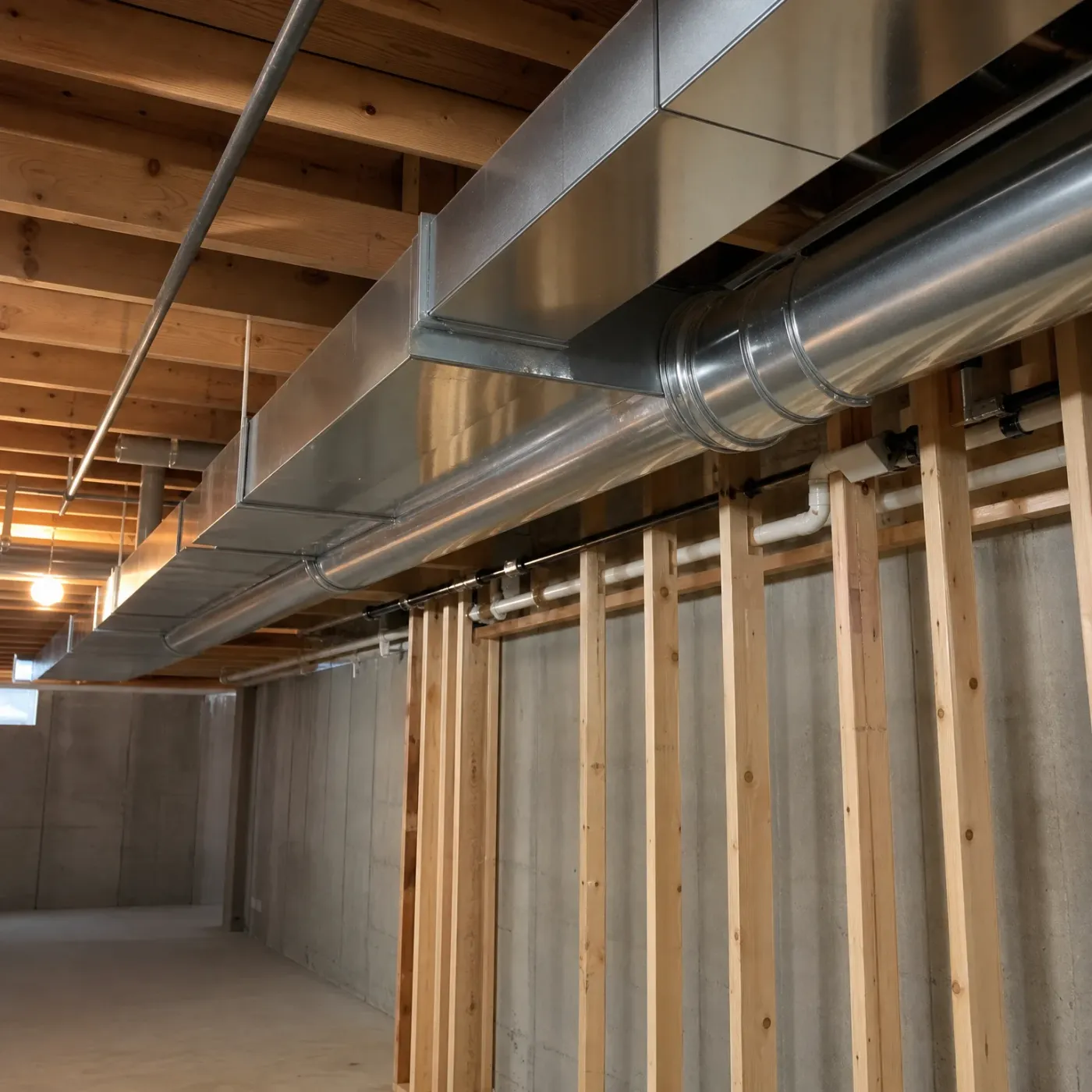
Unfinished basement with exposed wood joists, galvanized rectangular and round ductwork, piping, stud framing against concrete walls, and a bare hanging light bulb.

Find a duct system cleaning pro in Stark County

After you send the request, you're done searching.

Get matched with a Stark County pro who cleans ducts.

Match me with a pro

It costs nothing to send, and you don't have to hire anyone.

Why does my house get dusty again so fast after I clean?

Why does my house get dusty again so fast after I clean?

Your system is likely recirculating dust through a leaky return or a loaded filter

A furnace or air handler that runs most of the day is moving a lot of air, and every pass through a leaky return or a bypassed filter carries dust back into the rooms you just cleaned. In Stark County, where heat runs for months on gas and the AC works hard through muggy summers, that air moves constantly, so any gap in the return or a filter that isn't sealed tight gets used over and over. A duct system cleaned and sealed where it draws air stops adding dust to the house even though the blower keeps running the same number of hours.

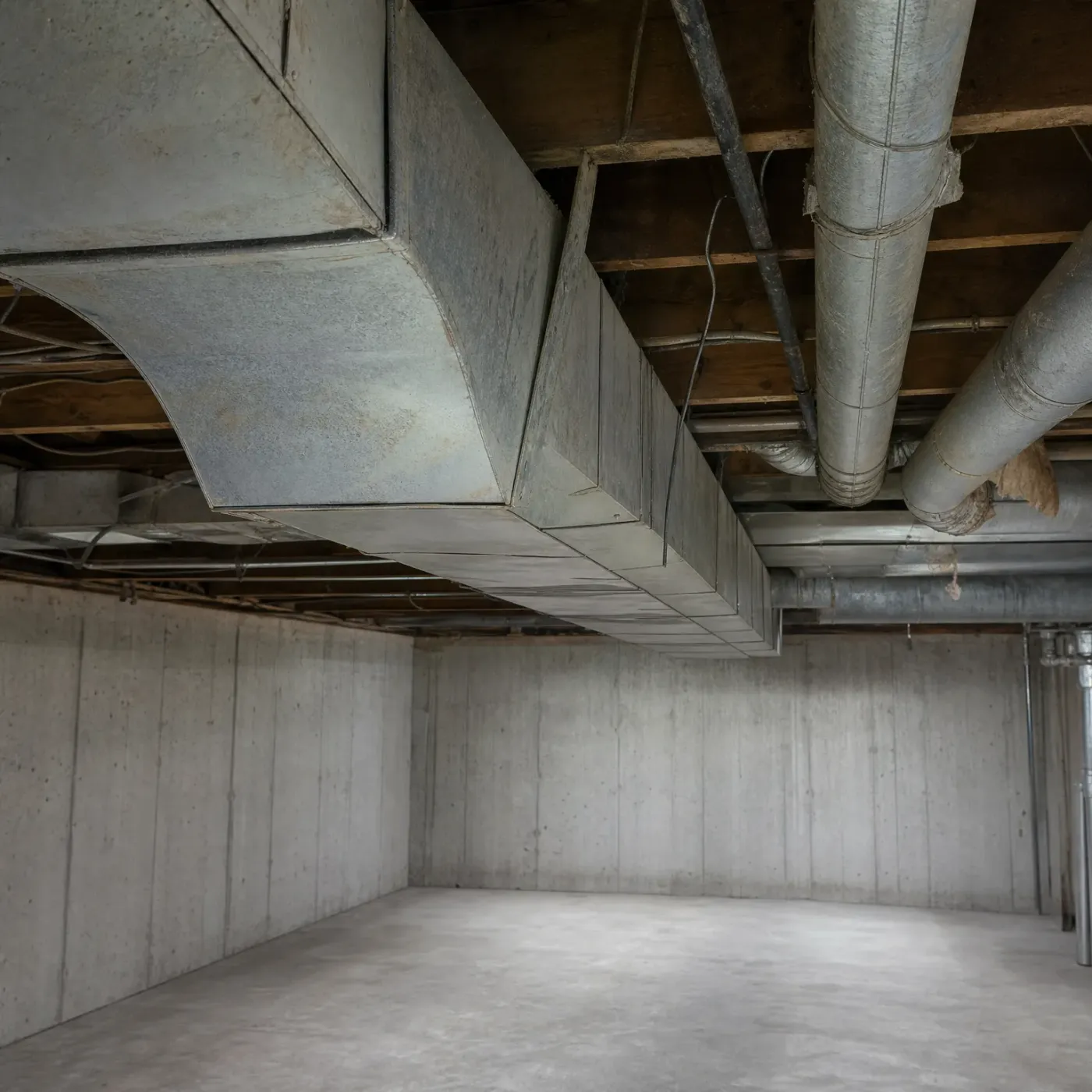
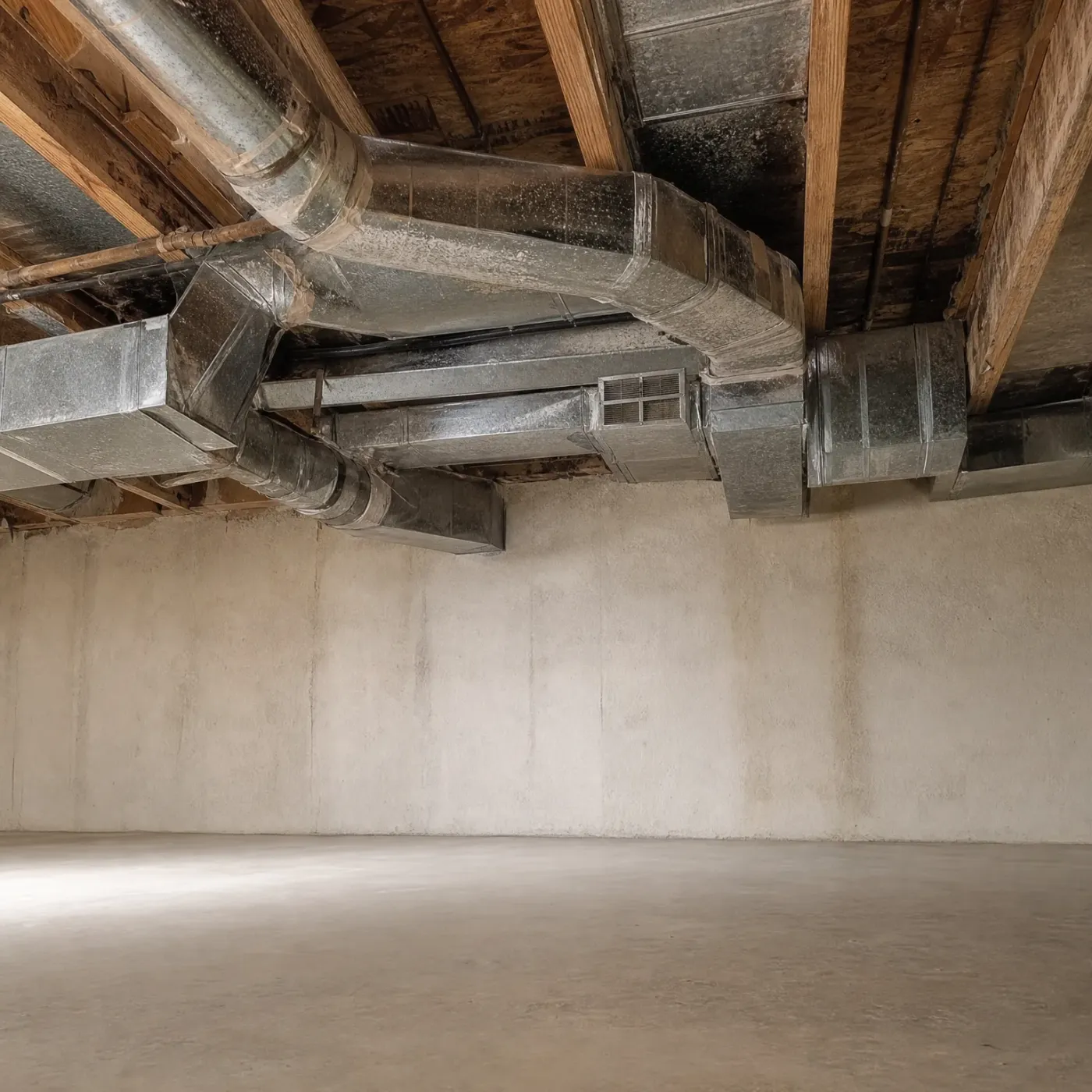
An empty basement room with bare concrete walls and floor, with galvanized sheet-metal HVAC ductwork and a vent grille running along the wooden joist ceiling.
Before you get your ductwork cleaning
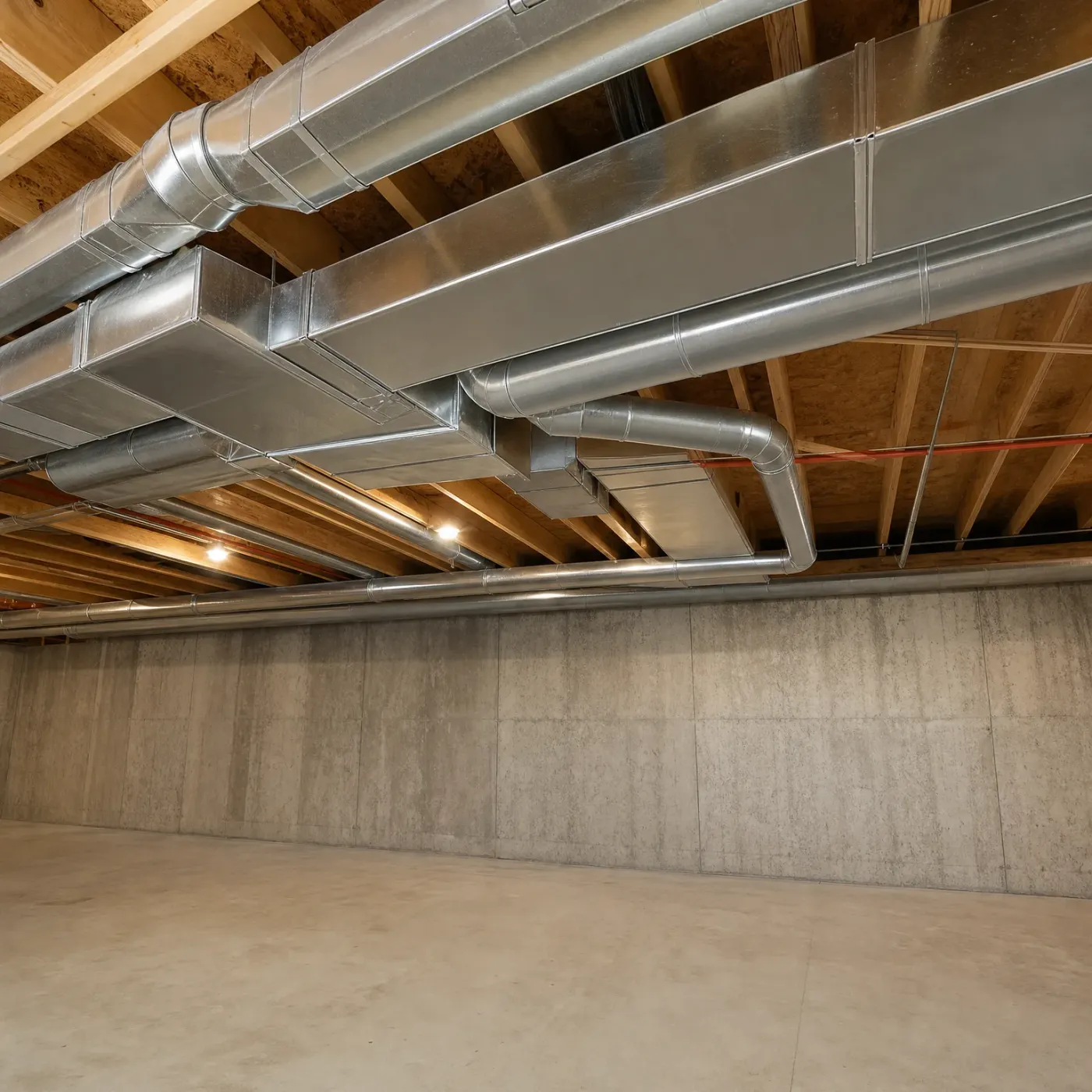
Unfinished basement with bare concrete floor and walls, showing galvanized sheet-metal HVAC ducts, pipes and recessed lights beneath a wood-joist ceiling.
After you get your ductwork cleaning
Unfinished basement with concrete floor and walls, exposed wood joists, galvanized sheet-metal ductwork, a furnace unit, a steel support column, and a small window.

Ductwork sealed and sized right

Air moves through closed metal and flex runs to each room without picking up extra dust along the way. Joints are tight, the return pulls cleanly through the filter, and the furnace works the way it was set up to. What comes out of the vent is what went through the filter, nothing more.

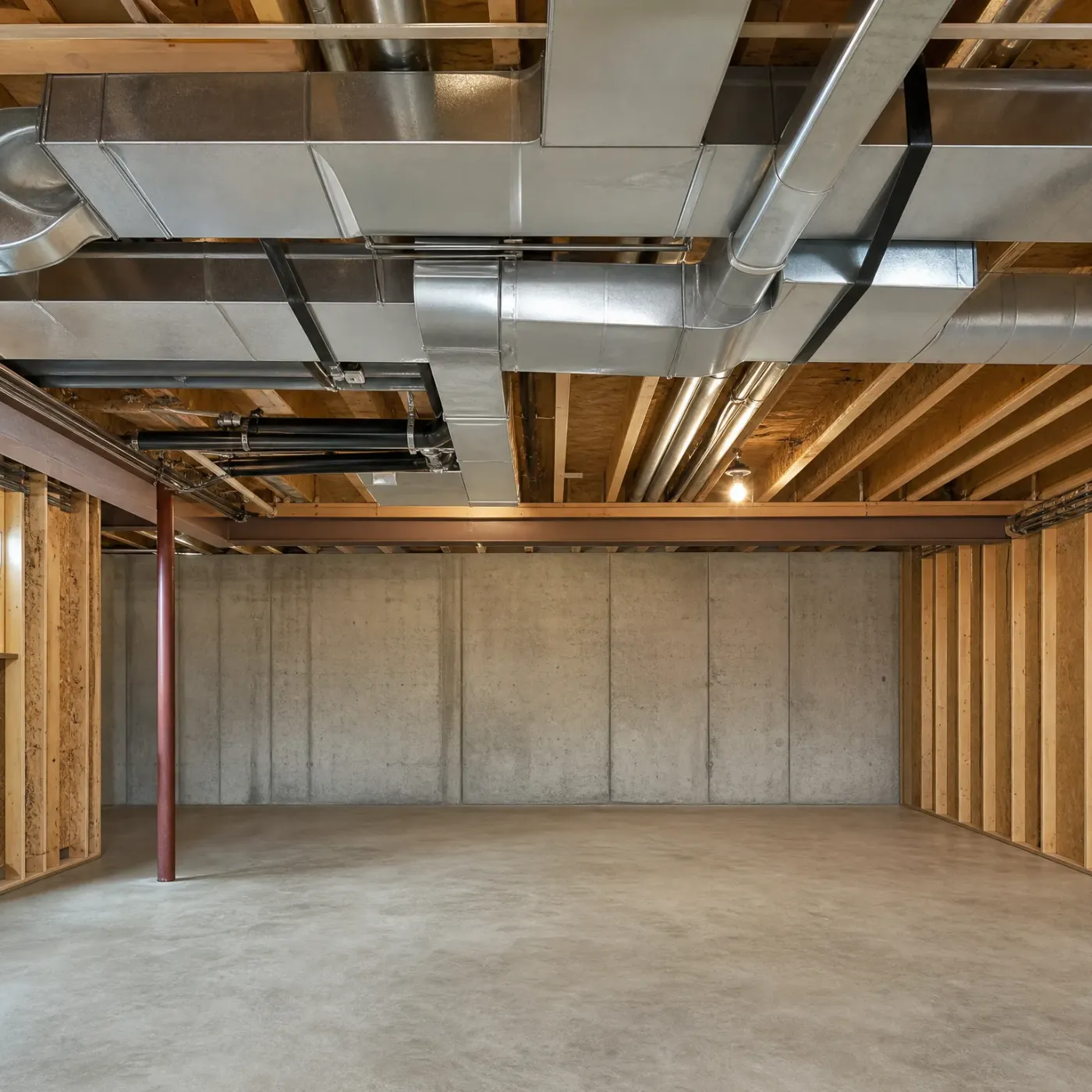
Empty unfinished basement with bare concrete walls and floor, showing exposed wooden joists, galvanized sheet-metal ductwork, pipes, and a white vent grille overhead.

Ductwork leaking dust

Gaps at the joints and seams let dust into the runs before the filter ever sees it, and the blower carries it straight to the vents. The flex duct and narrow pipes along these joists are more places for a seam to open. Every cycle puts more of it back in the room.

Power here costs 18.28 cents per kilowatt-hour

At 18.28 cents per kilowatt-hour, running a blower longer than it needs to costs you more here than in most places. A leaky return or a loaded filter makes the furnace or air handler work harder to move the same air, and you pay for every extra hour it runs.

EIA-861 2025

Empty unfinished basement with bare concrete floor and wall, wood-framed stud walls, exposed joists, galvanized HVAC ducts and pipes overhead, a steel beam and red support column, and a single bare bulb light.

Ductwork run clean and sealed

The joints sit tight where sections meet the joists above. Air moves through the metal without catching on gaps or loose seams. A duct system like this does its job and stays out of the way.

Empty concrete-walled basement with bare floor, showing large galvanized sheet-metal HVAC ducts, insulated pipes, wiring and wooden floor joists overhead.

Ductwork pulling dust in

A seam that's opened up or a joint that was never sealed well lets the duct pull air from the basement itself, concrete dust and all, and push it right back out through your vents.

What is all this dust doing to my house

You probably see it on the TV stand and the windowsills first, a gray film that's back within a day of wiping it down. It settles on dark furniture fast enough to notice, and it shows up in the vents themselves, dark streaks around the supply grilles or the return. Some households notice it more directly: more sneezing, a stuffy feeling in rooms that stay closed up, a musty smell when the blower kicks on. If anyone in the house has allergies or asthma, dust riding through the ducts all winter and all summer gives them more to react to, not less. None of this means the house is dirty. It means the air moving through it is carrying more than it should.

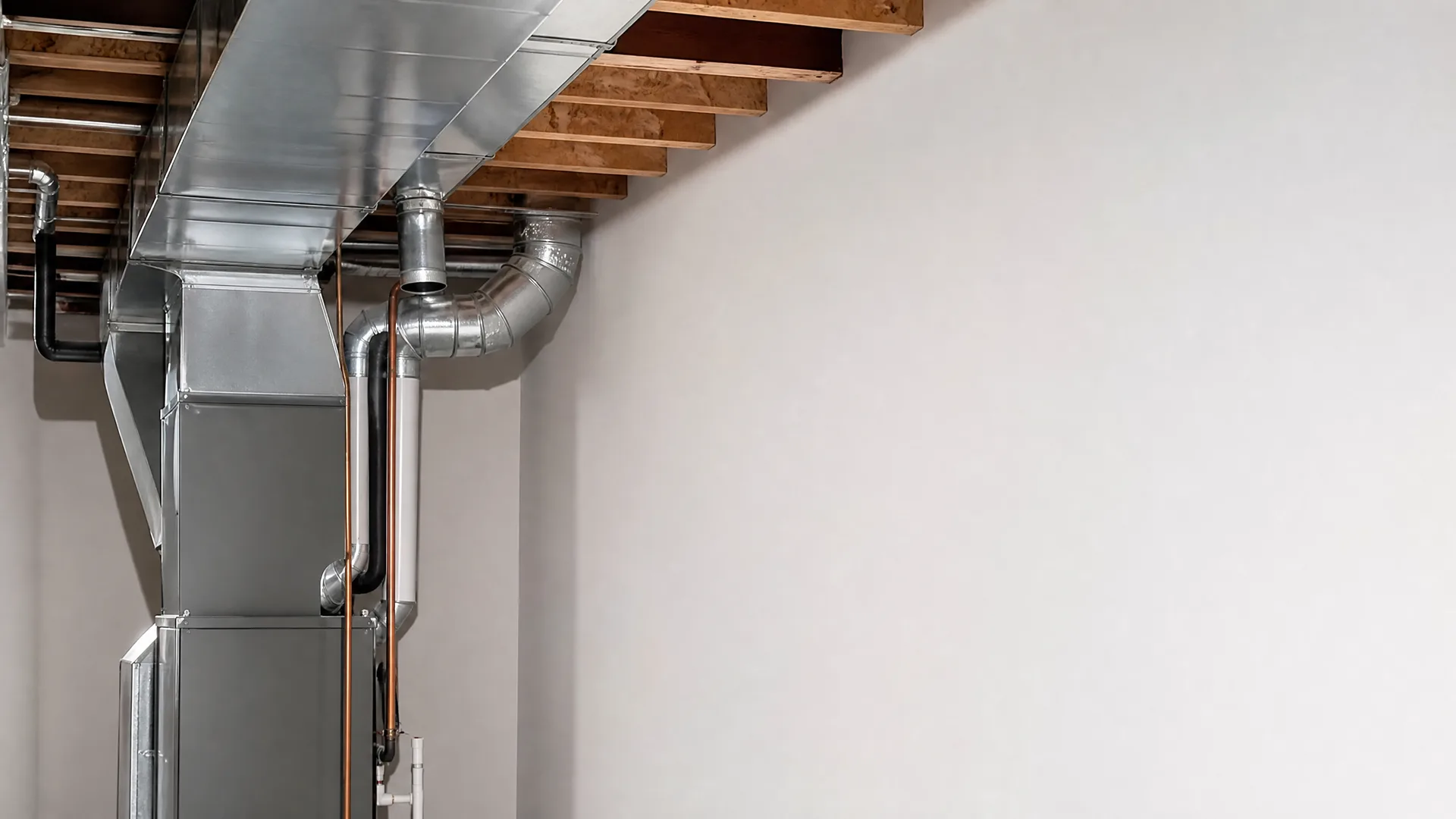
Basement interior showing a furnace with sheet-metal ductwork, a round flue pipe and copper lines running beneath exposed wooden floor joists next to a plain light-colored wall.

Running the duct system as is

Keep running the system as it sits and the dust keeps circulating. You wipe it down, the furnace or air handler cycles again, and a leaky return or a loaded filter puts it right back on the sill. Nothing about that changes on its own. The blower doesn't know the duct has a gap in it, so it keeps pulling whatever the return brings it and sending that air to every room in the house, winter and summer both.

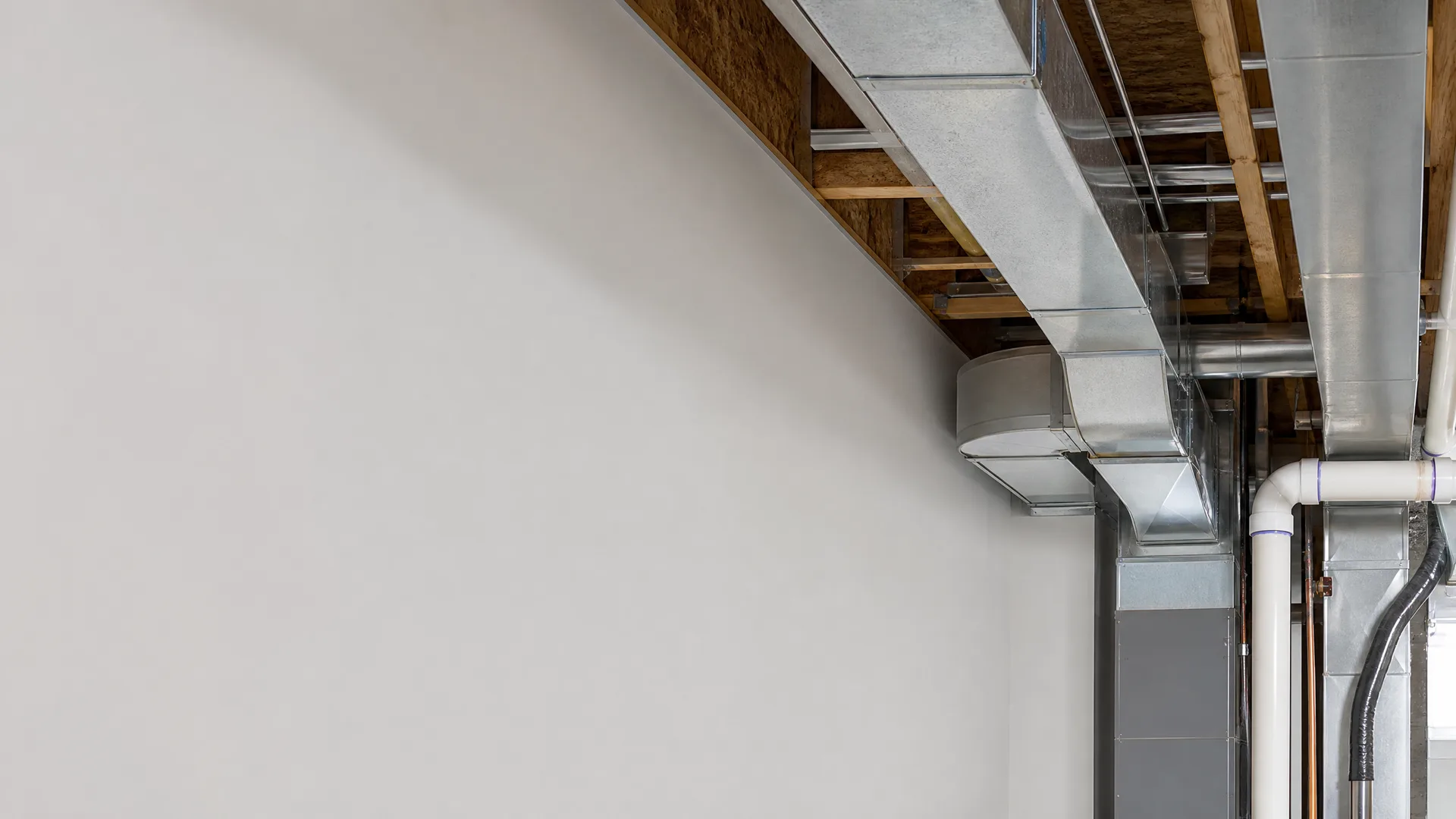
Interior corner of a building with a large blank white wall beside an unfinished ceiling showing wood joists, galvanized sheet-metal ductwork, and white and copper pipes.

Having the ductwork cleaned

A cleaning clears out what's built up in the runs and gives a contractor the chance to find the gap or the loose seam that's been pulling dust in. Once that's sealed, the air moving through the house is the air that came through the filter, not the attic or the crawlspace. You still have to dust the house. You just stop finding the same gray film back the next day.

A woman in a long cream cardigan and jeans stands at an open wooden front door of a gray shingled house with stone-based porch columns, with a second person visible inside, and potted flowers and shrubs beside the entry.

Dust that keeps coming back has a cause, not a mystery

A house in Stark County that dusts over fast almost always comes back to the same thing. Air is leaking into the return before it reaches the filter, or pushing out through a gap in the supply runs, and the furnace or air handler just keeps moving that dust around the house instead of catching it. That's the whole answer. Nothing more mysterious than a duct system that isn't sealed the way it should be.

Once you know that, the next step isn't guessing anymore. It's getting someone to look at the actual runs in your house, find where the air is getting in or out where it shouldn't, and clean what's built up inside. Send the form and a contractor who handles this work in your area will reach out to you directly. You won't be the one tracking down who does this or whether they're any good. That part is off your plate.

A shallow dark wooden bowl and a stack of books rest on a wooden table in front of a beige sofa with linen and green cushions, with a tall ceramic vase of thin branches beside a window in the background.
A single-story house with horizontal siding and large windows lit from within at dusk, beside a lawn, low path lights and a dark gravel driveway, with pine trees and a distant waterway under an orange and blue sky.

Ductwork Cleaning

Get matched with a duct system pro in Stark County

Duct and vent cleaningDucts or ventsStark County, OH
Step 1 of 2

What ZIP code is the job in?

  • A beige upholstered armchair with a cushion and knit throw sits beside a double-hung window with a woven shade, next to a white fireplace mantel with a lit fire, a vase of greenery, and a round wooden table in the foreground.
    • Your request goes to a Stark County pro who takes ductwork jobs.
    • Your duct cleaning request goes to a local pro who does this work.
  • A shallow speckled beige ceramic bowl holding a leafy green branch sits on a wooden dresser beside a tall matte stoneware vase, with a window at left and a dark-framed picture at right.
    • Send the request and finding a pro stops being your problem.
    • After this form, you can stop searching for a duct system pro.
  • A ceramic table lamp with a pale tapered fabric shade sits on a rustic wooden table beside a wooden bowl, with a framed artwork on the beige wall and sunlight from a window at left.
    • Skip searching for someone who cleans ducts in Stark County.
    • Skip searching for a duct system pro and answer a few questions instead.
  • A black box-shaped outdoor wall lantern with seeded glass panels and a lit filament bulb mounted on a light gray board-and-batten exterior wall, beside a dark-framed glass door, with green leafy shrubs in the foreground.
    • The pro who gets in touch is licensed in Ohio and works in Stark County.
    • A licensed pro who works in Stark County gets your request.