One blocked vent, one fire risk
Lint builds up fast behind a nest. With the airflow blocked, heat has nowhere to go, and that's how dryer vent fires start.
Birds get into a dryer vent because the flap at the outside end is the kind of gap a bird looks for, especially in spring when they're building nests. Starlings and sparrows are the usual ones in Stark County, and they'll pack a vent with twigs and grass in a day or two. Once that happens, the dryer has nowhere to push the hot, damp air it produces, so it backs up into the vent line and sometimes into the room. Clothes take longer to dry, the outside flap may sit stuck half open, and the vent is one of the ways a house can start a fire, because lint catches easily where airflow has stopped. If you've noticed chirping near the vent, or you see nesting material when you open the outside hood, that's confirmation, not a false alarm. A blocked vent needs to be cleared and the nest removed before the dryer runs again.




Lint builds up fast behind a nest. With the airflow blocked, heat has nowhere to go, and that's how dryer vent fires start.
Once a bird packs a vent with nesting material, it won't clear on its own. Someone needs to open the line and pull it out.
2.35 people per household on average
Most houses in Stark County hold a couple of people, which still means a full dryer load most days. A blocked vent makes every one of those loads take longer.
Half the homes here were built by 1966
Half the homes here went up in 1966 or earlier, and an older vent run is more likely to have the loose seams and rough spots a bird can grab onto to start a nest.
Power here costs 18.28 cents per kilowatt-hour
Power here runs 18.28 cents per kilowatt-hour. A dryer fighting a blocked vent pulls more of it to finish the same load.
ACS 2020-2024 · EIA-861 2025
You can pull the outside vent cover off and clear nesting material with a shop vac or a stiff brush if you can reach it. That gets rid of what's visible. What it won't tell you is how far back the nest goes, or whether lint has packed in behind it where you can't see. A vent that looks clear from the outside can still be restricting airflow the whole length of the duct, and a dryer running against that resistance keeps wearing down the same way.
A local contractor who works on vents through every Stark County spring knows where birds build and how far a nest usually extends into the duct. Cleaning it properly means opening the line enough to get all the material out, not just what's in reach from the yard. It also means a look at the flap itself, since a damaged or stuck one is what let the bird in to begin with. One call gets you one person who can check the whole run, instead of guessing from the outside.


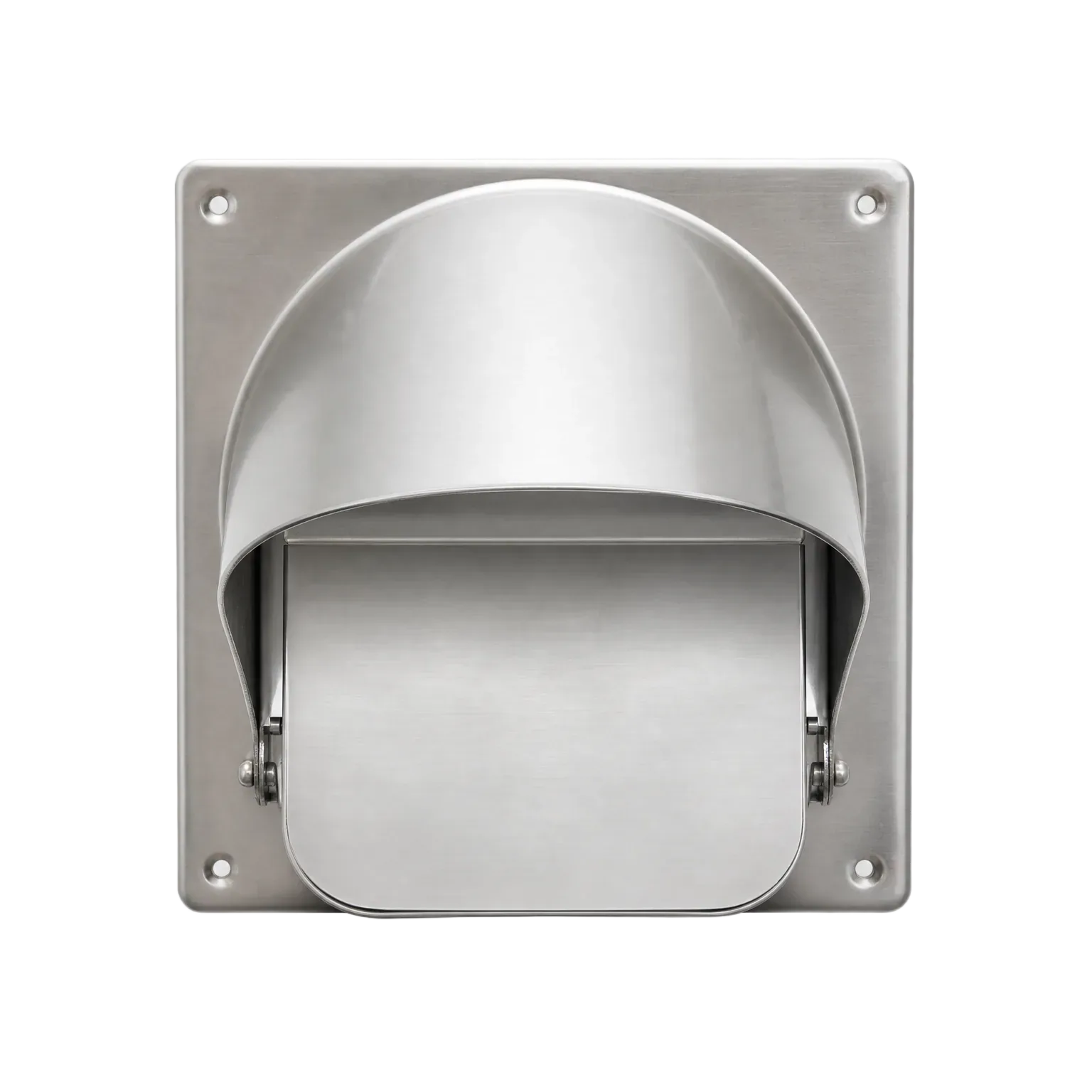
A dryer vent run is a straight shot from the back of the dryer to a hood on the outside wall, and the hood is the only part a bird ever sees. That hood has a flap, and the flap is supposed to do one job: open when the dryer pushes air out, close the rest of the time. When it works, there's nothing for a bird to land on or push against. When it doesn't, because the hinge rusted or the flap got bent in a storm, it sits open all day, and an open flap looks like a hole in the wall to a bird looking for a place to build in March or April.
Once a bird gets a few feet in, it builds where the duct runs straight and sheltered, not out at the hood where weather still reaches. From there, every load of laundry pushes lint through that stretch of duct, and the nesting material catches it the way a strainer catches hair. The clog isn't the twigs alone, it's everything that's gotten stuck to them since.
Some vent covers come with a screen meant to keep birds out entirely. It stops the bird, but lint doesn't know the difference between twigs and screen mesh, so it builds up there just the same. A louvered hood does better on its own, since the slats shed rain and give a bird nothing to grip, which is most of why it's used instead of a flat flap.


A dryer that used to finish in one cycle and now needs two or three almost always means the vent is blocked, and a nest is a common reason why. You might notice the top of the dryer running hot, or a burnt smell when it's been going a while. Check outside and you may hear chirping near the hood, or see grass and twigs poking out around the flap. Some houses pick up a damp, musty smell near the laundry room when the moist air has nowhere to go. Left alone, that trapped heat and lint buildup is how dryer vent fires start.
A bird packs the outside vent hood with twigs and grass.
Lint keeps shedding off each load and catches on the nest.
Airflow slows, so the dryer runs hotter and longer.
A contractor opens the line and pulls the nest and lint out.


Only one pro gets your request, so you hear from one company.
No fee to send it, and nothing to sign.

This is what a clean vent hood looks like against the siding. The flap hangs loose and shuts flush to the wall. Nothing is nesting in the opening, so air from the dryer has a straight path out.

This hood has gone gray with lint caked around the opening, and the flap can't close against it anymore. Whatever built a nest behind it is still sitting in the run, catching more lint off every load.
Can I just leave the nest and wait for the birds to go?
The birds leaving doesn't clear the vent. They build with twigs and grass, but once that's packed in, lint from every load catches on it and keeps building behind it. That lint is what burns, not the nest itself, and it's piling up every time the dryer runs. Waiting out nesting season in Stark County just means a few more months of drying times getting longer and heat building up with nowhere to go. The nest also doesn't come apart or wash away once the birds move on. It sits there packed against the flap until something pulls it out, and the dryer keeps running hotter behind it until that happens.
It's a Tuesday evening and you've run the same load twice. The towels are still damp, piled on top of the dryer because the basket needs to stay empty for the next cycle. You open the lint trap and it's clean, so that's not it. The air coming off the top of the dryer feels warmer than it should. Outside, past the kitchen window, a sparrow ducks under the eave near the vent hood. You stand there a second, towel in hand, doing the math on how many times this has happened this month, and head back to start the dryer again.
Most households in Stark County run 2.35 people, so the dryer in your house is likely running most days of the week, not once in a while. A nest packed in the vent slows down every one of those loads, and you'll feel it this week, not someday.
ACS 2020-2024

A bird built a nest in your vent run because the flap gave it a way in. Lint has been catching on that nest since, and the dryer has been working harder to push air past it. That's the whole problem, and it's the kind of thing a contractor who works on vents all over Stark County every spring can find and clear in one visit, flap included.
You could spend an evening calling around, explaining the same thing to three different companies, and waiting on quotes that don't tell you much until someone's actually looked at the vent. Or you could skip that part. One call, one local contractor who already knows what nesting season does to a vent hood, and you're back to a dryer that finishes in one cycle.


No calling every shop in Stark County