A dryer vent pro near you
How often to clean a dryer vent in Canton, OH
A dryer vent full of lint takes longer to dry a load and makes the dryer run hotter than it should. Stark County summers get sticky enough to slow a vent down on their own, so the question is really how much lint is too much before that turns into a fire risk. Answer that below, then get matched with a contractor who can look at your vent and clear it.
Get a local proClean your dryer vent once a year. If you run large loads several times a week, or you have a long vent run to the outside, check it twice a year instead. Lint builds up along the inside of the duct every time you dry a load, and it doesn't wash away or break down. It just collects, narrowing the path the air takes to get outside. A gas dryer here depends on that airflow to vent exhaust properly, not just to dry clothes, so a blocked vent is a different kind of problem than a blocked filter. You'll notice the signs before you ever look inside the duct: clothes that take two cycles to dry, a dryer that runs hot to the touch, or a burning smell when it's running. Once you see any of those, the yearly cleaning is already overdue.

Lint collects inside the duct with every load you dry.
Airflow drops, so the dryer runs hotter and longer.
A pro checks the vent hood flap for lint blocking it.
The duct gets cleared from the dryer to the outside wall.
Once a Year or Twice
Once a year
- A single-family household running normal laundry loads keeps the duct clear enough with one cleaning a year.
- Short, straight vent runs to the outside wall move lint out on their own better than long or bent ones.
- Stark County's humid summers don't change the lint load, only how fast a clogged vent shows up as a problem.
- A yearly cleaning catches lint before it packs tight enough to slow the dryer down or trip the thermal cutoff.
- If drying times have stayed steady all year, once a year is doing its job.
Twice a year
- A household doing several large loads a week builds up lint faster than the duct can clear itself.
- A vent run longer than the typical straight shot, or one with a few turns in it, traps more lint along the way.
- Large families generate more laundry, and more loads through the same duct means more lint left behind.
- Pet hair mixed into a load adds to what collects inside the duct beyond ordinary lint.
- Checking twice a year catches a partial clog before the dryer starts taking noticeably longer to dry a load.

Check the hood flap outside
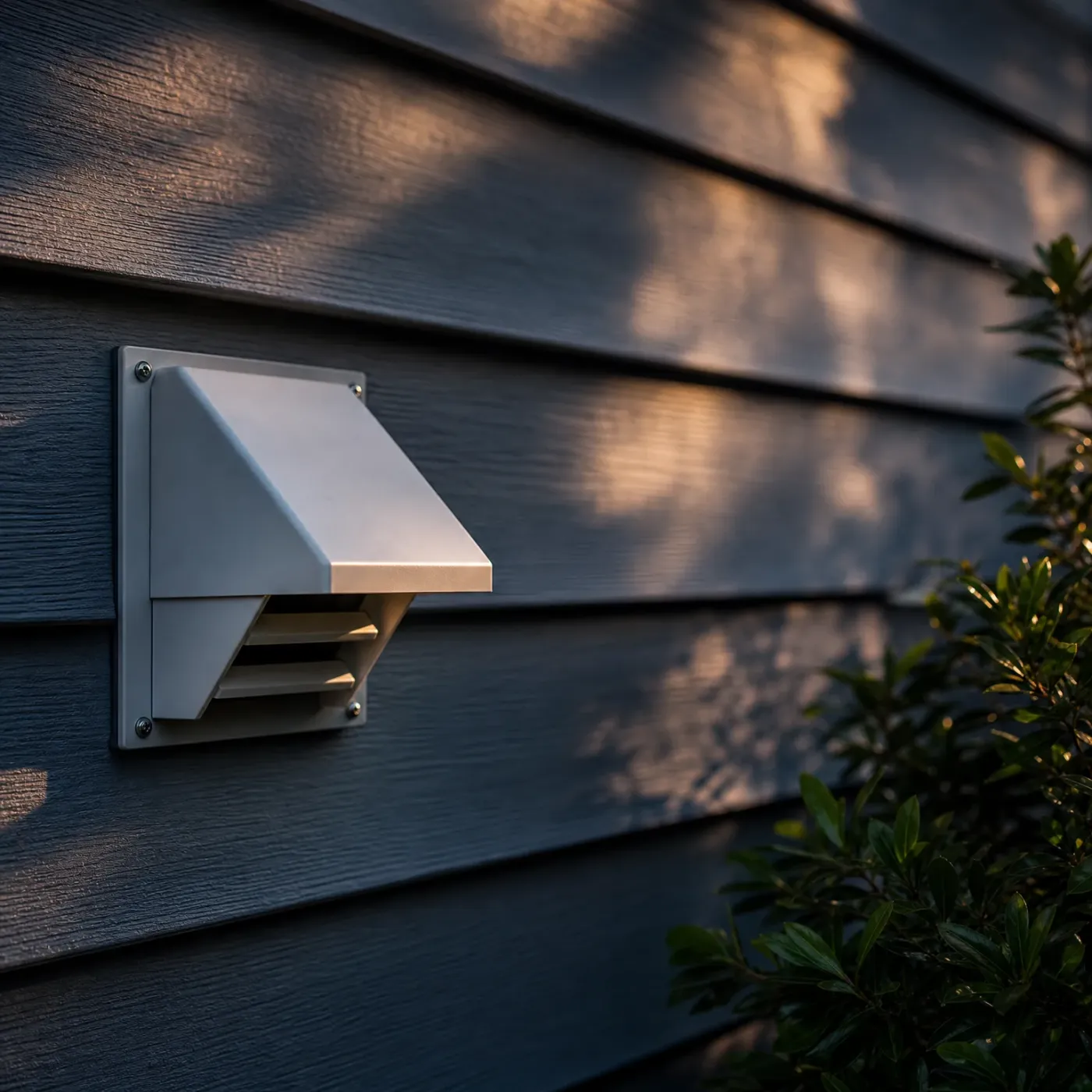
Walk outside to where the vent lets out and look at the hood flap. It should swing open all the way when the dryer runs and close on its own when it stops. If it barely moves, or stays open because lint is caught in the hinge, air isn't leaving the house the way it should. That's one of the easiest signs to check yourself between cleanings, and it doesn't require taking anything apart.

Longer runs trap more lint
A vent that travels a short, straight shot to an outside wall clears lint on its own better than one that bends around framing or runs the length of an attic. Every turn in the duct gives lint a place to catch and build up instead of moving through with the airflow. If your vent run is long or has more than a couple of bends, that duct is doing more work to move the same load of air out.
2.35 people per household on average
Most households in Stark County run about 2.35 people, so odds are your dryer isn't running nonstop. A smaller household still loads it up a few times a week, and every load leaves lint behind. Once a year keeps the vent clear either way.
ACS 2020-2024




Get matched with a dryer vent pro in Stark County
A vent that's overdue doesn't announce itself. The dryer just runs a little longer each load, the laundry room gets a little warmer, and you adjust without noticing you're adjusting. By the time clothes come out damp on a normal cycle, the lint has been building for a while. Stark County's muggy summers and the sheer number of loads a household runs over a year mean that buildup happens whether you're watching for it or not. You don't need to climb up and inspect the duct yourself to know where you stand. A contractor who works on vents in Canton every week can look at your setup, your vent run, your hood flap, and tell you straight whether this year is a cleaning year or one you can let ride. Getting that answer settled now means one less thing sitting on your list, and it means whatever's built up in that duct gets dealt with before it costs you a longer dry time or worse.
Your Dryer Vent, Once a Year
- Once a year clears a dryer vent for most households running normal laundry loads in Canton and the rest of Stark County.
- Twice a year fits homes doing several large loads a week or with a long vent run to the outside wall.
- Lint builds up along the duct with every load and has to be cleared out, since it never breaks down on its own.
- A hood flap that won't swing fully open or shut is a sign the vent is overdue, not something to wait out.
- Clothes that come out damp on a normal cycle mean lint has already cut down the airflow by a real amount.
- Humid summers here can slow drying further, so a vent already carrying lint has even less room to work with.
Once a year is the answer for most houses in Canton and across Stark County. Every load of laundry leaves lint behind in the duct, and nothing about the airflow clears it back out on its own. That's why a schedule matters more than waiting for a problem to show up. A household running a couple of loads most weeks, with a short, straight vent run to the outside wall, stays ahead of it on one cleaning a year. A household drying large loads several times a week, or pushing air through a long run with a bend or two, builds lint faster and is better off checking twice a year instead. The vent itself gives you signs if you know where to look. The hood flap outside should swing wide open when the dryer runs and snap shut when it stops. One that moves slowly or hangs open means lint is already in the way. Inside the house, a normal cycle that used to finish dry and now leaves clothes damp means airflow has already dropped by a real amount, not a small one. Stark County's humid summers add their own drag on drying, so a vent that's already restricted has less room to work with than it would on a dry day. None of that changes the baseline. Once a year, twice if your laundry habits or your vent run call for it.


Dryer Vent Cleaning
A local pro for your dryer vent cleaning
Once you send the form, finding a pro is off your list.