






Ohio HVAC Pros

Birds nesting in a dryer vent in Ohio

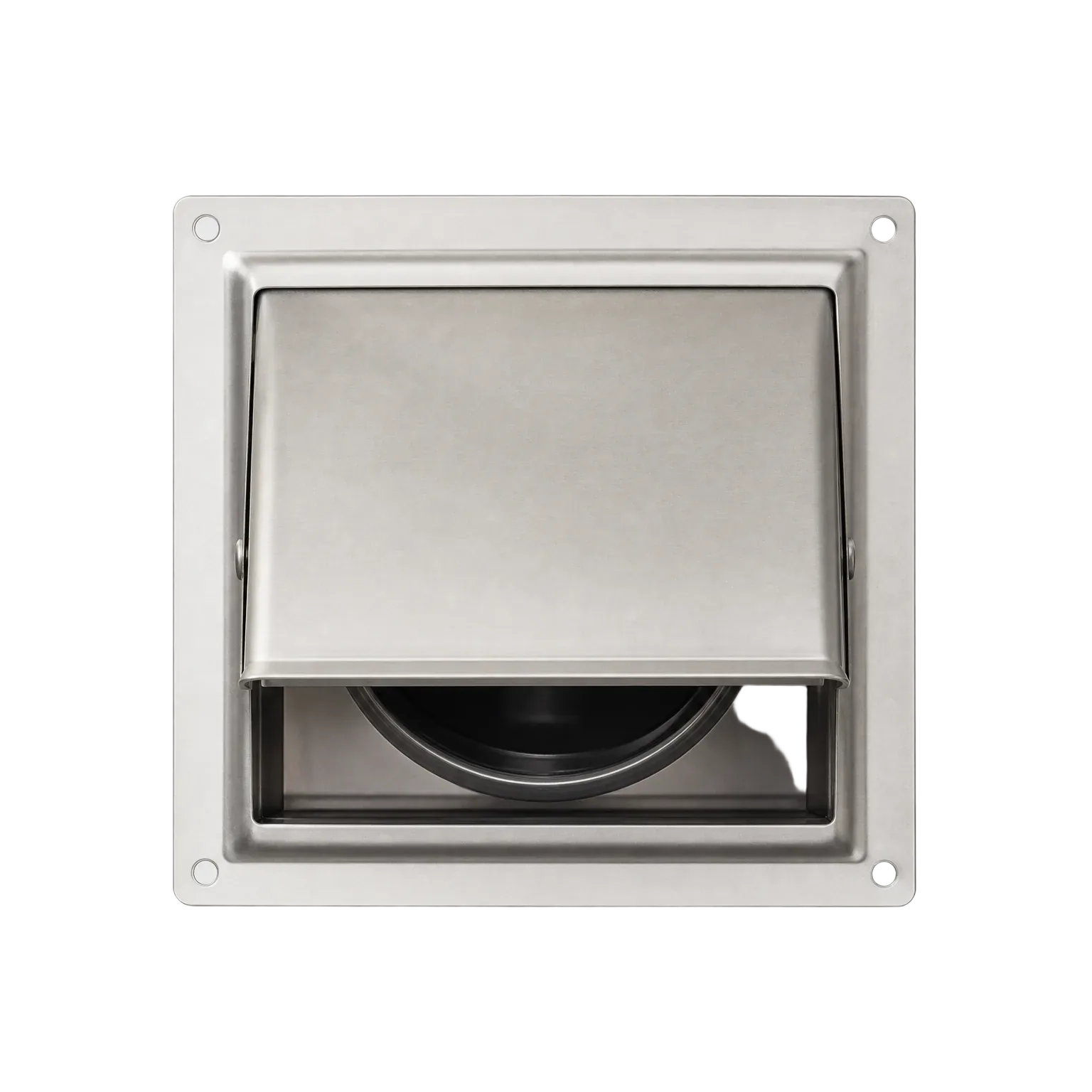
A square stainless steel wall vent with four corner screw holes and a hinged flap cover, partly open to reveal a dark circular duct opening, shown against a plain light gray background.
Get matched

Why are birds nesting in my dryer vent?

Spring is when a lot of Ohio homeowners notice it: a chirping sound in the laundry room, or a vent hood outside flapping with bits of straw caught in the flap. Birds, usually house sparrows or starlings, go looking for small sheltered openings to build in right around nesting season, and a dryer vent fits what they're after. If yours has been quiet for a while or you've missed a few dryer loads, it's an easy spot for them to move into unnoticed.

Birds nest in dryer vents because the vent hood looks like a safe, sheltered cavity

A dryer vent opens to the outside through a hood with a flap, and that flap is supposed to stay shut when the dryer isn't running. Once it's bent, stuck, or missing its spring tension, birds can push it open and get inside to build. The vent run itself is dark, dry, and out of the wind, which is exactly what a nesting bird wants in spring. In Ohio this tends to show up around the same time birds are already looking for nesting spots elsewhere on the house. Once nesting material is packed into the duct, the dryer can't push air out the way it's supposed to, and that's a problem that gets worse the longer it sits.

A white hooded exhaust vent with a louvered opening mounted on white horizontal lap siding, with blank white space at right.

Why the flap matters

A dryer vent hood should have a flap that swings open when the dryer runs and falls shut when it stops. Once a nest is wedged in there, the flap can't close all the way. Outside air gets in year round, and in January that means cold air sitting in the duct between loads. A bird nest also blocks the path lint needs to travel out of the house, so it builds up behind the obstruction instead.

A metal hooded exterior vent cover screwed to beige horizontal lap siding, next to a plain white wall corner.

What a blocked vent does to drying

Dryer exhaust has to push all the way outside. A nest partway down the duct makes the dryer work against that blockage every cycle, and clothes can come out of the dryer still damp or take two cycles instead of one. With how much power costs in Ohio, a dryer running longer than it should adds up on the bill. Lint trapped behind a nest also has nowhere to go but back toward the dryer itself.

Is a bird nest actually in my vent right now

Run the dryer and go outside to look at the hood. If the flap barely moves, or doesn't move at all, something is blocking it. You might hear scratching or chirping from the wall or the vent line while a load is running, especially in April or May when birds are building. Lint that used to blow out clean now comes out in clumps, or doesn't come out at all. A dryer that used to finish in one cycle now takes two or three, and the laundry room gets warmer than it used to. That's heat and moisture staying inside the vent instead of leaving the house, and with gas dryers that exhaust needs somewhere to go.

An older man with gray hair, a dark coat and scarf dusted with snow stands in a warmly lit entryway with an open wooden door, a table lamp, framed pictures, and a plant in a vase.
An older man with gray hair and a beard wearing a dark snow-dusted coat stands in a home entryway, with a lamp-lit living room and a wooden staircase behind him.
An older man with gray hair and a beard, wearing a dark snow-dusted coat, stands in a warmly lit home entryway with a hallway, console table with lamp, patterned rug, and living room visible behind him.
A gray-haired bearded man in a dark snow-dusted coat and scarf stands inside a dimly lit home entryway, with a hallway, framed picture, lit table lamp and staircase behind him.

A dryer vent pro near you

A blocked vent means the dryer is pushing hot, damp air into a space that can't get rid of it, and that's also a fire risk since lint builds up fast once airflow is cut. You could get on a ladder yourself, pull out what you can reach, and still not know if the line is clear all the way to the wall. Or you could start calling around Ohio for someone who does this, explain the chirping and the flap that won't close to each one, then sit with a stack of quotes trying to tell them apart. Nesting material packs tighter than lint and usually needs a full inspection of the line, not just a quick clean at the hood. With summer humidity already working against a slow dryer, and most Ohio homes running gas, a vent that can't vent is worth sorting out before it costs you a load of laundry or worse. Answer a few questions here and a contractor who handles this gets in touch.

A white plastic hooded dryer vent with a mesh screen, fastened by four screws to beige horizontal lap siding above a concrete foundation wall.

Vent working as it should

This is a clear hood, flap and screen with nothing blocking it. Open air behind it, screws snug at the corners. Run the dryer and the flap swings open, then falls shut when the cycle ends. No nest, no lint catching on the mesh, no resistance pushing back into the line.


A white plastic hooded dryer vent with a louvered grille mounted on horizontal vinyl siding above a textured concrete foundation wall.

Vent packed with nesting material

Lint cakes the screen here and the openings are going dim with buildup, the kind of grid a bird finds and settles into before you notice. Straw and debris wedge the flap so it can't seal. Moist air backs up into the wall instead of clearing outside, and lint keeps collecting behind it.

Clear It Yourself or Call for Help

Clear it yourself

  • You can only reach what the ladder lets you reach, and most of the nest is further back in the line than your arm goes.
  • A shop vac at the hood end pulls out loose straw but leaves packed material further down untouched.
  • You won't know if the nest runs the full length of the vent or just sits at the opening until you take the hood off.
  • Working near a roofline or a second story vent hood on a ladder carries real risk of a fall.
  • If lint caught behind the nest for months, pulling the visible straw out doesn't clear what's compacted underneath.
  • You still won't know the flap seals shut afterward unless you run a full dryer cycle and go check it.

Have it cleaned

  • A contractor opens the line from both ends, so what's packed in the middle of the run gets found, not just what's visible at the hood.
  • The vent gets checked end to end for crushed sections or disconnected joints a nest can hide, not just cleared of straw.
  • Nest material gets removed along with the lint that built up around it while the flap was stuck open or shut.
  • You get a straight answer on whether the hood, screen or flap need replacing instead of guessing from the ground.
  • The job covers the full run in one visit instead of you climbing up and down checking your work.
  • You're not the one explaining the problem twice, once on the phone and again to whoever shows up.
A dusty white plastic dryer vent hood with lint-clogged louvers mounted on beige horizontal vinyl siding above a concrete foundation wall and a bed of rounded gray rocks.
Before you get your dryer vent cleaning
A white plastic louvered dryer vent hood mounted on beige horizontal lap siding above a concrete foundation wall bordered by gravel.
After you get your dryer vent cleaning

Power costs 16.90 cents per kilowatt-hour statewide

A blocked vent makes your dryer run longer to dry the same load, and every extra minute runs on power priced at 16.90 cents a kilowatt-hour statewide. A clear vent gets the load done and the heat out of the house, not fighting a nest to do it.

EIA-861 2025 statewide residential average

A bird built a nest in your vent because the hood offered a dark, sheltered spot, and the flap can't close with that nest wedged against it. That means warm, damp air backing up into the wall, lint with nowhere to go, and a dryer working harder than it should every time you run a load. Clearing it means getting to every bit of material packed into the line, not just what shows at the hood. Once it's out and the flap swings shut on its own again, you're done thinking about it. The part you don't have to do alone is finding someone to take care of it. You don't have to search through listings, call a handful of places, explain the chirping and the flap and the vent line each time, then sit with quotes trying to tell them apart. That part ends when you ask for a match here. A contractor who handles this gets in touch with you directly, and the vent stops being something you have to climb a ladder to check on.

A shingled two-story house with lit windows and stone accents at dusk, with a stone paver walkway and landscape lighting leading past ornamental grasses toward a calm bay under an orange and blue sky.

Dryer Vent Cleaning

A local pro for your dryer vent cleaning

Duct and vent cleaningOhio
Step 1 of 3

What kind of equipment?

  • A pale ceramic vase holding dried hydrangea blooms sits on a wooden windowsill in sunlight, with green foliage blurred beyond the window glass.
    • Describe your dryer vent job, and a local pro who handles it gets in touch.
    • Say what's going on with your dryer vent, and a pro who works on them reaches out.
  • Sunlit window seat with a cushioned bench and three textured throw pillows beside a dark wooden round side table holding a small stone bowl and a potted green plant.
    • Send it once and finding someone is no longer on you.
    • Send the form and finding a dryer vent cleaner is handled.
  • A potted olive-like tree in a wide beige ceramic planter sits on a pale stone ledge beside a black-framed window with blurred greenery outside.
    • Fill out one short form instead of calling around.
    • Explain the job once and skip repeating it on every call.
  • A wooden bench by a black-framed window holds a beige striped pillow, a fringed knit throw, and a pale ceramic vase with olive branches, with green foliage and a white house visible outside.
    • Your request stays with one local pro.
    • Your dryer vent cleaning request goes to one local pro.