

Two cycles instead of one
That's the dryer pushing heat into a vent that can't clear it. The motor runs longer to do the same job, and it shows up on your power bill before much else does.
A bird built a nest in your dryer vent and now the hood flap won't sit right, or the dryer's taking two cycles to do what one used to do. Spring is when this happens most, and once a nest is packed in there, lint has somewhere to catch and build behind it. That's a fire risk, not just a nuisance, and it's not something to clear out with a coat hanger and call done. Franklin County homes all have their own setup, vent length, hood style, how many turns the line takes to get outside, and what's actually built up in there. A local contractor who deals with vents all season knows what a nest-blocked line looks like versus one that's just lint-choked, and clears it the right way for your setup. Answer a few questions about your vent and your dryer, and you'll be matched with one licensed contractor near you, not a handful of companies competing for your callback. They'll reach out to you directly to get it looked at.
It's spring and you've noticed the hood flap on your dryer vent sitting open, or you can hear chirping when you walk past the outside wall. Maybe the dryer's running longer than it used to. You want to know why birds pick this spot, out of everywhere on the house, and whether it's going to keep happening.
Birds in Franklin County, especially house sparrows and starlings, look for a dark, enclosed space off the ground once spring nesting starts. A dryer vent hood gives them that: a sheltered opening with a flap that's supposed to keep things out but often gets pushed open or stuck ajar from lint buildup or a weak spring. Warm air coming through the vent on drying days can make it even more appealing to a bird scouting a spot in March or April. Once a nest has been built there and the bird raises a brood successfully, the same vent often gets used again the following spring, because birds return to nesting sites that worked before. A vent that's been used once is more likely to be used again unless something about the opening changes.
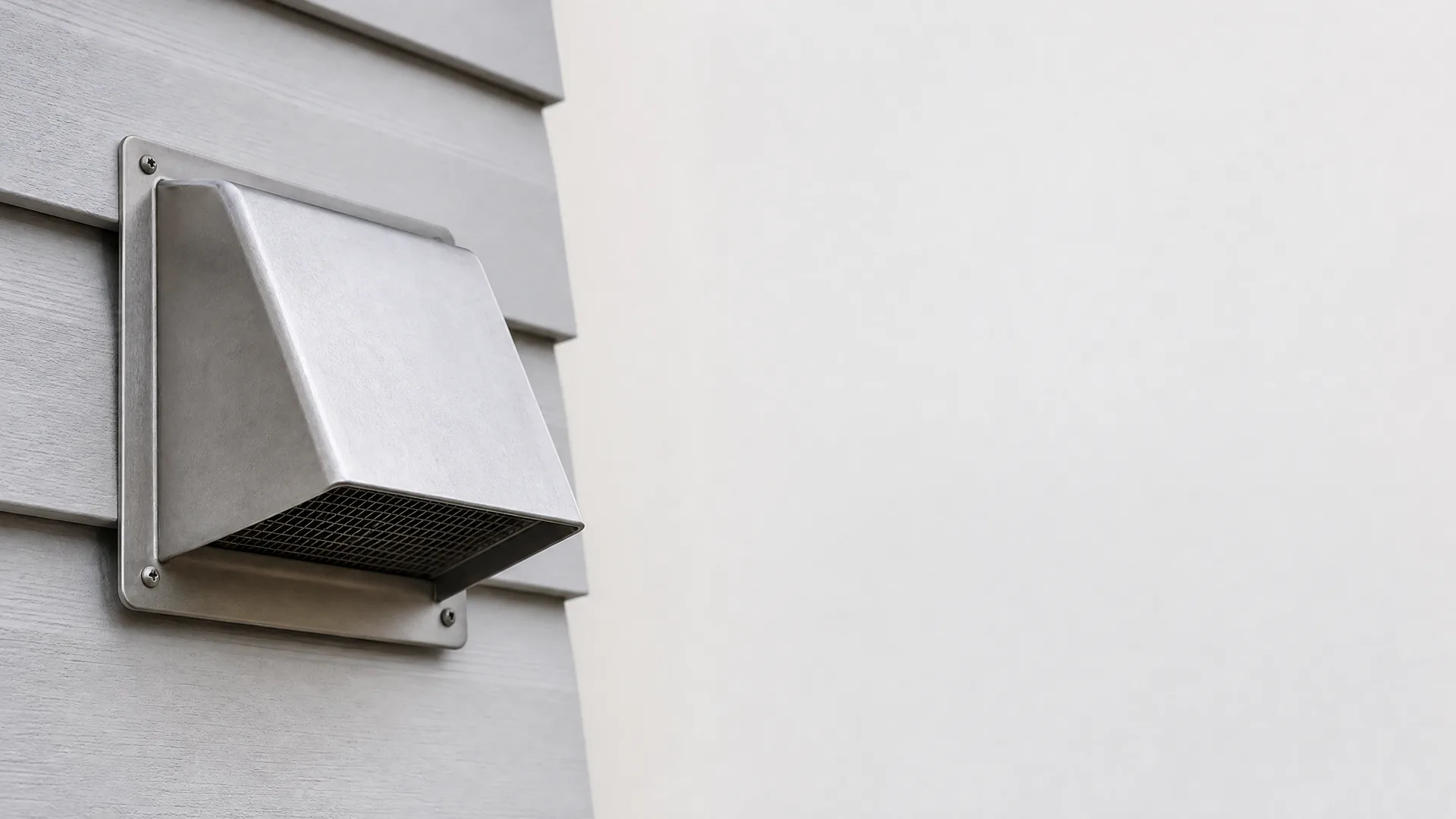
The flap on the outside hood is there to keep the vent closed when the dryer isn't running. A bird that's pulled it open, or built a nest against it, leaves the vent open to the outside air for good. That's an opening the size of your duct, sitting on an exterior wall, open to whatever the weather in Franklin County is doing that day.
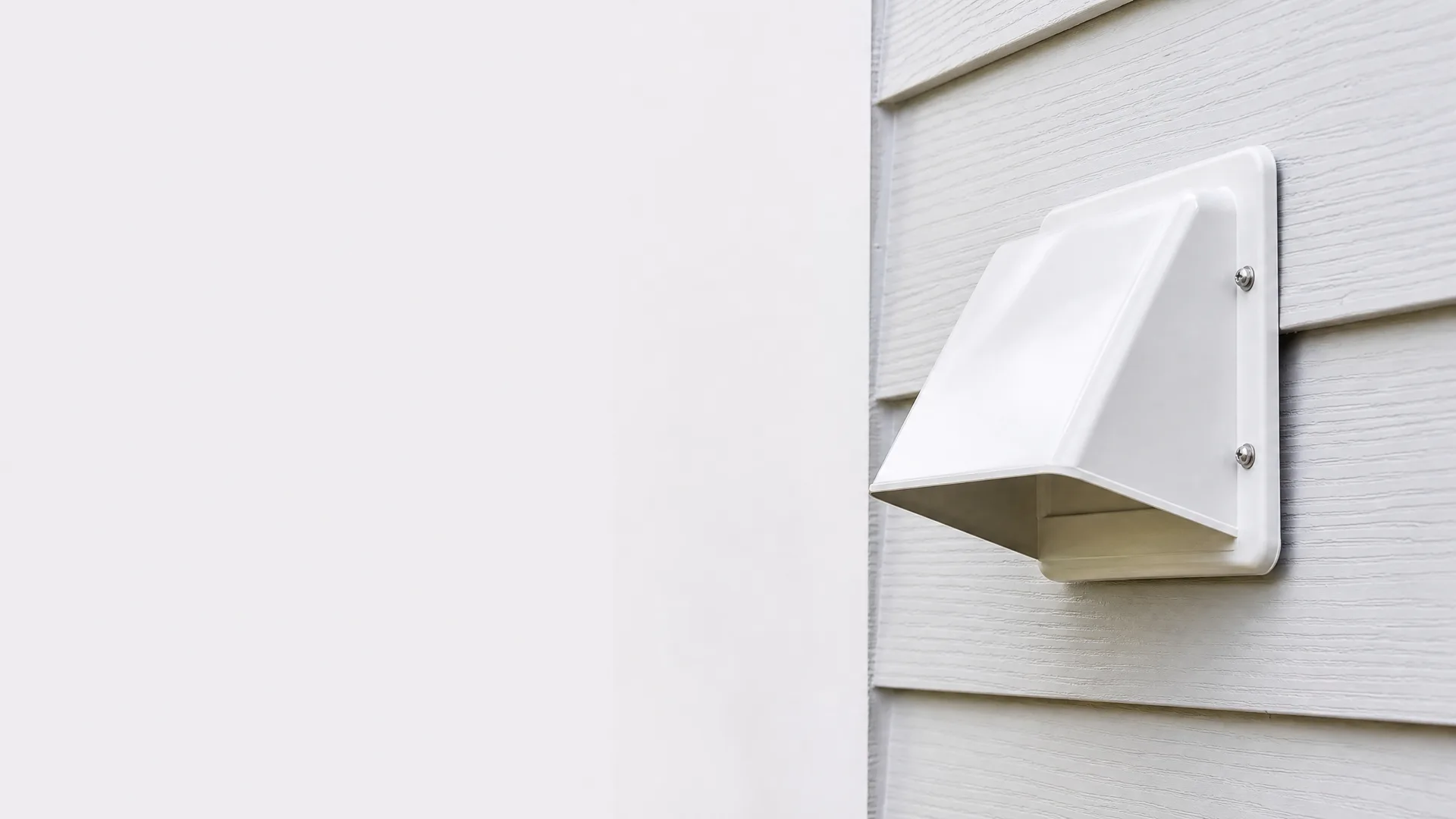
A dryer vent is built to move air and nothing else. Once sticks and debris pack into the duct, the air has to push past them to get outside, and the lint in that air has somewhere to catch instead of blowing clear. That's what turns a single cycle into two, and it's also what raises the risk of a lint fire further back in the line.
2.36 people per household on average
With 2.36 people in the average household here, laundry runs often enough that a blocked vent gets noticed fast, usually within a week or two of the nest going in.
Half the homes here were built by 1979
Half the homes in Franklin County were built in 1979 or earlier, which means the vent run itself is often older metal or plastic duct that a nest packs more tightly than it would a newer one.
Power here costs 17.58 cents per kilowatt-hour
At 17.58 cents per kilowatt-hour, a dryer working through a blocked vent runs longer to dry the same load, and that extra run time shows up on the power bill.
ACS 2020-2024 · EIA-861 2025
Leave the nest and hope the dryer keeps working, and you're running a gas appliance into a space with nowhere for the exhaust to go. Moist, heated air has to back up somewhere, and that somewhere is your vent run and your laundry room.
Have the vent cleared and the nest removed, and the dryer vents the way it's built to. A contractor who does this work in Franklin County every spring knows where birds pack the nest and what it takes to get the line clean again, not just the hood.




Your request goes to one pro, not a list of companies.
You're not committing to anything by asking.
Spring in Franklin County is when starlings and sparrows go looking for a place to build, and a dryer vent hood with a flap that doesn't sit tight gives them exactly what they want: dark, enclosed, off the ground. They don't just perch there. They carry in twigs and dried grass a few beakfuls at a time until the material is packed across the opening. That packing is the first problem. The second comes with the next load of laundry. Every cycle pushes lint through that same duct, and instead of blowing clear of the house the way it's supposed to, the lint catches on the nest material and starts building its own layer behind it. For an electric dryer that's a performance problem, drying times stretch out because the moist air has nowhere to go but back up the duct toward the drum. For a gas dryer it's a different kind of problem. The exhaust carries combustion byproducts out of the house, and a blocked vent forces that path shut, pushing warm air back where it came from. Lint is dry and it catches heat easily. Once it's built up thick enough behind a nest, sitting in a duct that's running warmer than it should, it's sitting in conditions where a fire can start. None of that announces itself right away. It shows up as a flap that won't close, a cycle that takes longer, or nothing at all until it's further along.


That's the dryer pushing heat into a vent that can't clear it. The motor runs longer to do the same job, and it shows up on your power bill before much else does.
Exhaust that can't escape backs up into the vent run and the laundry room instead. A local contractor who clears nests every spring can get the run open again.
A nest in the vent means the dryer is running without a real way to clear heat and moisture, and that doesn't fix itself once the birds move on. The twigs and grass packed in there stay until someone pulls them out and checks that the flap closes right again. A contractor who works vents through a Franklin County spring sees this same nest, in the same hood, most weeks of the season, and knows where the debris tends to pack and what the flap needs to sit flush again. You'll be matched with one licensed contractor local to the area, not a handful of companies competing for your call, so the person who reaches out is the one who's actually going to do the work. Once the vent runs clear again, the dryer goes back to one cycle, and the hood outside sits the way it's supposed to: closed when the dryer's off, open only when it's running.
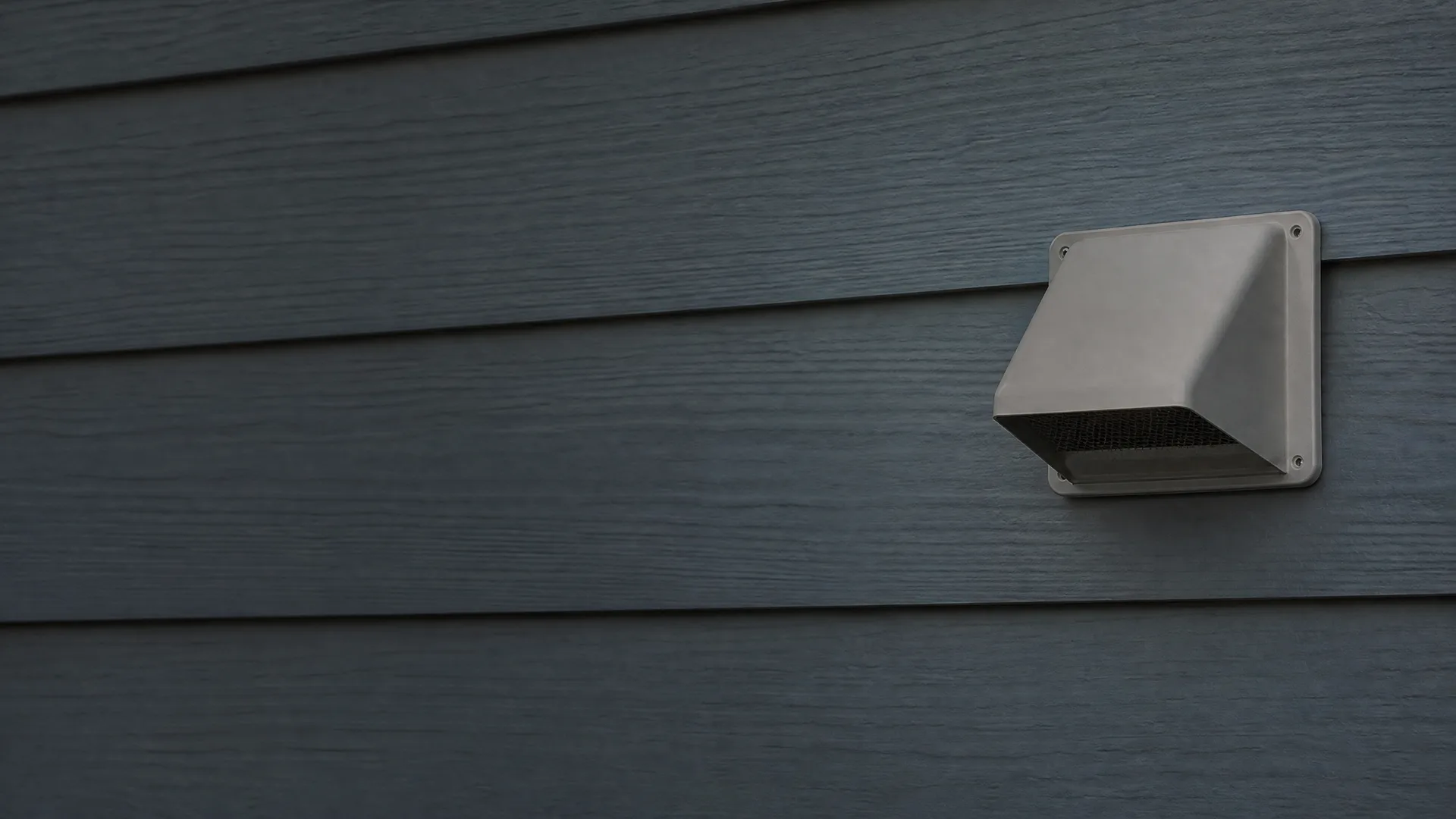
The pro who reaches out is licensed in Ohio.