

Still running two cycles
Lint stays packed in the duct and the next load dries just as slow. The motor keeps working harder, and the heating element takes more wear each time you run it.
A load that used to take forty minutes now runs through two full cycles and comes out damp at the edges. That usually points to the vent, not the dryer itself. Lint builds up along the duct run, especially where it bends, and in a lot of Cuyahoga County homes that run is longer than it looks from the laundry room. A clogged vent makes the dryer work harder and run hotter, and it's a fire risk left alone through a Cleveland winter when the dryer's running loads back to back. You don't need to track down who handles this or figure out how to describe the problem over the phone. Fill out the form and you'll be matched with a contractor who clears dryer vents for homes in this area, and they'll reach out to you directly. That's one less thing on your list this week.
You load the dryer, run a normal cycle, and pull out clothes that are still warm and damp. So you run it again. Maybe a third time. It used to take one cycle. Now it doesn't, and you're left wondering if the dryer is wearing out or if something else is going on before you spend money on a repair that might not fix it.
A dryer works by pushing hot, wet air out through the vent while pulling in fresh air to heat. When the vent is blocked with lint, that air has nowhere to go, so the moisture stays in the drum instead of leaving the house. The dryer senses the load is still wet and keeps running, which is why it feels like it never shuts off. A blocked vent also makes the dryer run hotter than it should, since the heating element keeps firing with no airflow to carry the heat away. In older Cuyahoga County homes especially, vent runs are often longer or have more bends than a new install would, which gives lint more places to collect.

A dryer vent is built with a certain number of bends and a certain length, and every bend adds resistance the motor has to push air through. A long run with several turns, common in Cuyahoga County homes where the dryer sits far from an outside wall, moves air slower even when it's clean. Add lint to that and airflow drops further. Two factors stack, not one.

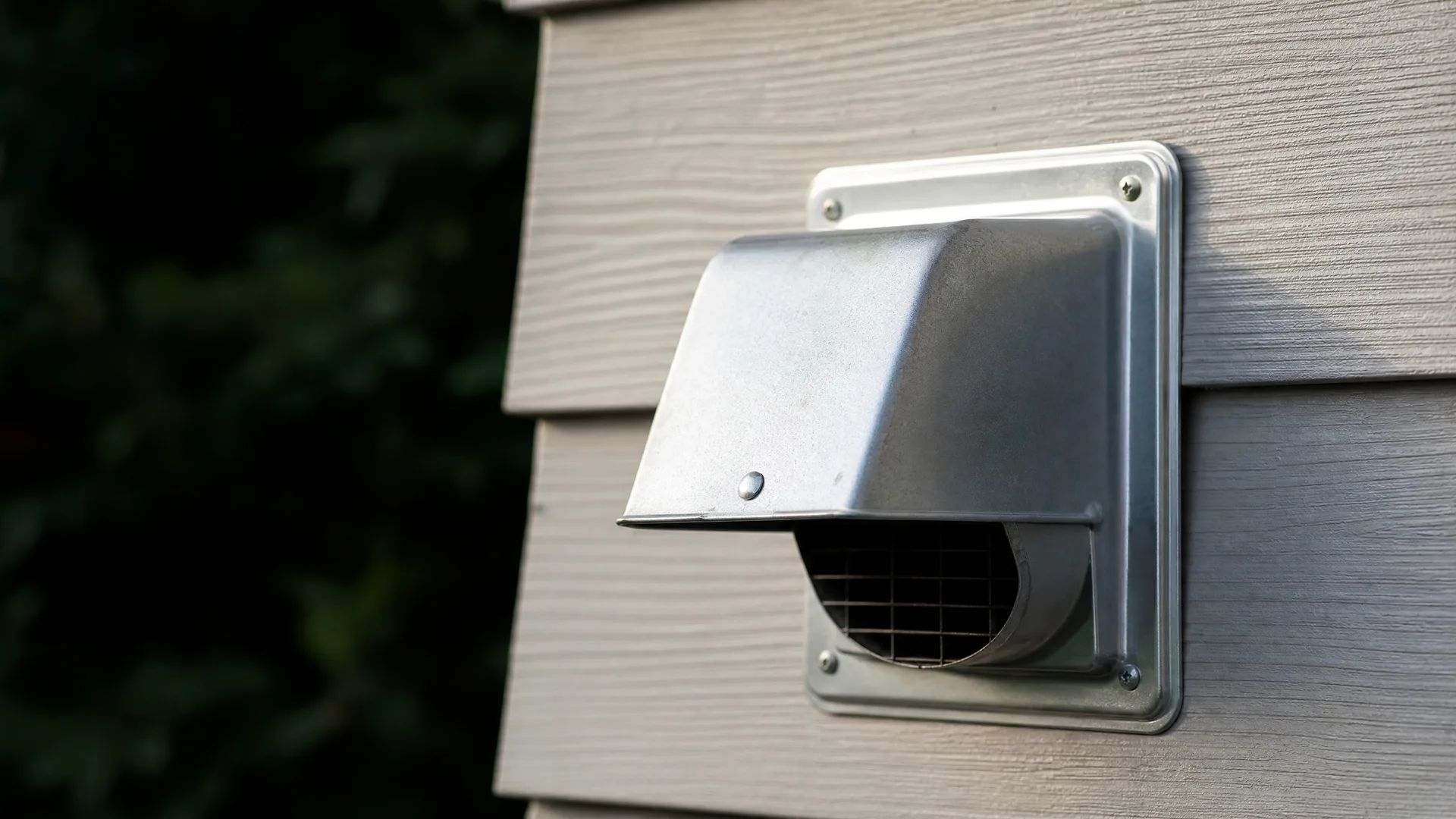
Go outside while the dryer runs and check the vent hood. The flap should swing open and you should feel steady air pushing out. Weak airflow or a flap that barely moves means the duct is restricted somewhere between the dryer and that hood. A strong, steady stream means the blockage is more likely close to the machine, at the transition hose or the lint trap housing.
2.2 people per household on average
Most households here run 2.2 people, which means a dryer working through loads most days of the week, every run pushing lint through the same duct.
Half the homes here were built by 1957
Half the homes in Cuyahoga County went up in 1957 or earlier. A vent run that old has likely never been cleaned, and the ductwork itself can be harder to clear.
Power here costs 16.27 cents per kilowatt-hour
Electricity here runs 16.27 cents per kilowatt-hour. A dryer running two or three cycles to finish one load is burning through that rate every extra round.
ACS 2020-2024 · EIA-861 2025
A dryer that's slow once in a while is probably just overloaded or running a damp towel load that needed the extra time anyway. That's normal, and it usually clears up the next time you run it.
A dryer that's slow every time, load after load, week after week, isn't having an off day. Something is holding air back in the vent, and it won't clear up on its own.




One request and the search for a pro is handled.
Asking costs nothing, and the choice to hire stays yours.
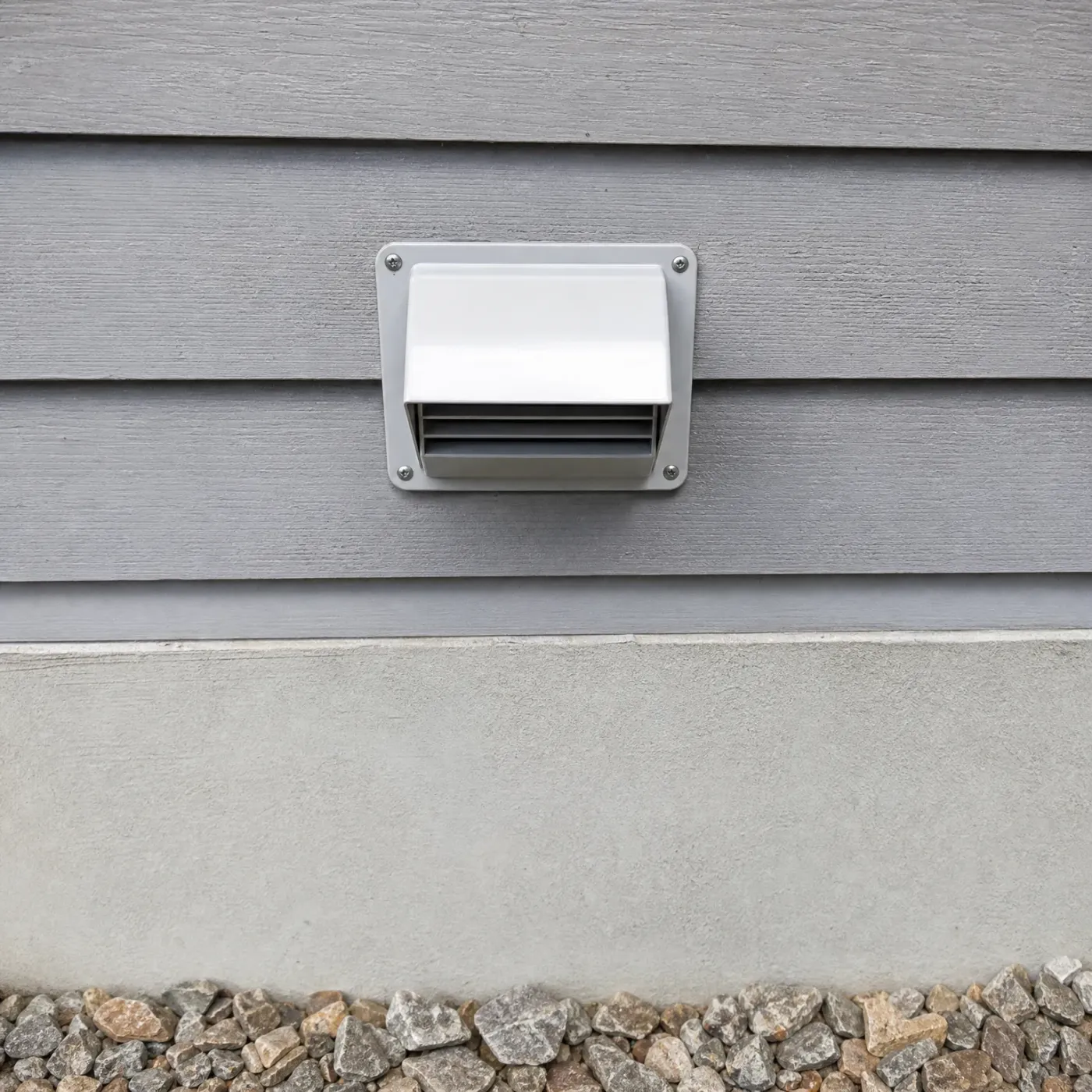
The dryer doesn't just blow hot air at wet clothes. It pulls air in, heats it, tumbles it through the drum, then pushes that moist air out through a duct to a hood on the outside wall. That hood has a flap, and the flap should sit closed except when the dryer is running. If it's hanging open all the time, or stuck shut, something's wrong with the airflow behind it. Lint rides that air the whole way down the duct. It doesn't stop at the trap. It settles out wherever the air slows down, which is usually a joint, a bend, or the last few feet before the hood. In a lot of older Cuyahoga County basements, that duct is flexible foil or plastic rather than rigid metal, and the ribbed interior of flexible duct catches lint far more easily than a smooth metal pipe does. Once enough builds up, the dryer's heating element or gas burner has to cycle on and off more than it's supposed to, trying to keep the drum hot while the airflow struggles to clear it out. Clothes come out warm because the heat is still on. They come out wet because the moisture never left the system. Some dryers also read humidity in the exhaust air to decide when a cycle is actually done. A duct backed up with moist air can read as "still wet" long after the clothes themselves would've been fine, which is part of why the same load now takes two cycles instead of one.
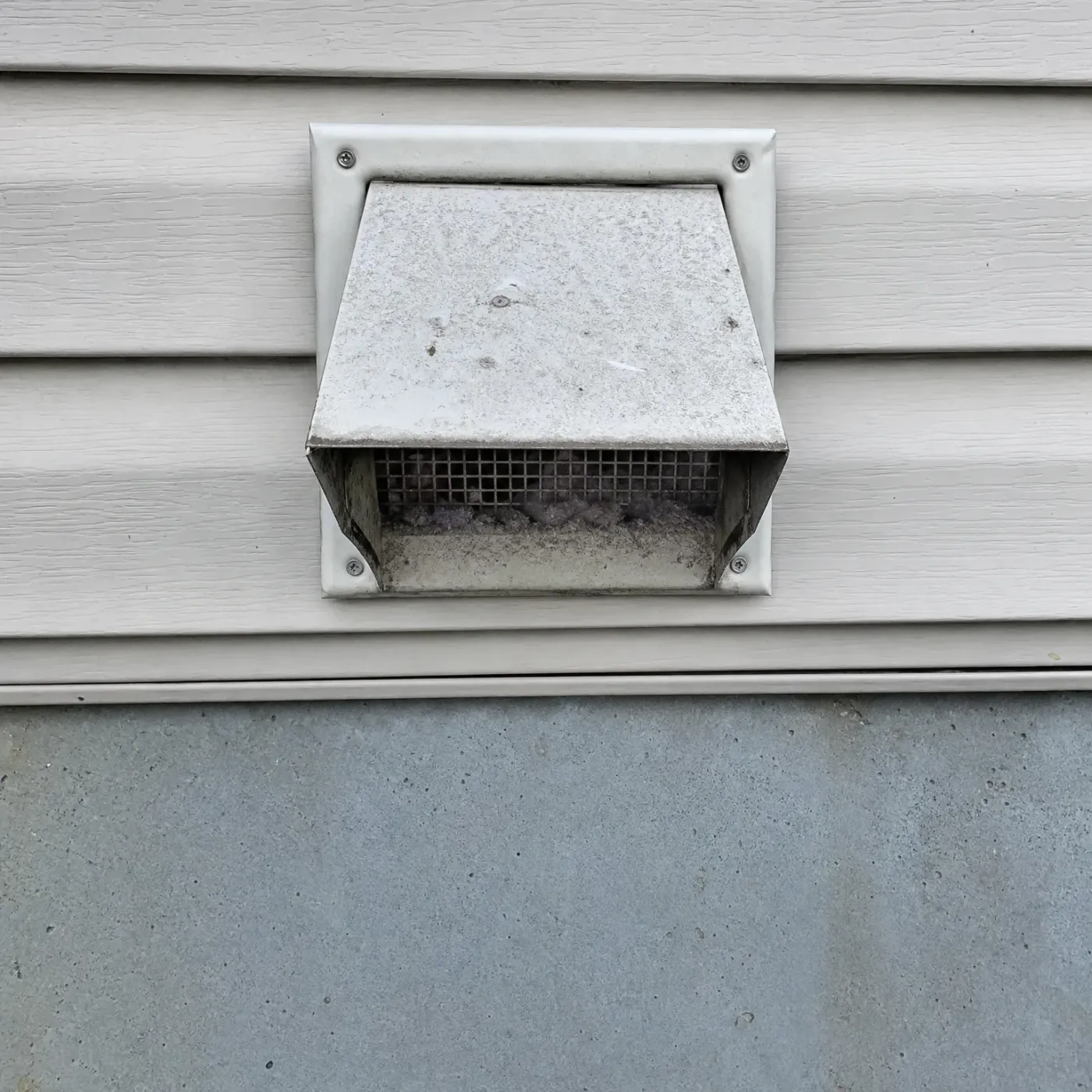
Lint stays packed in the duct and the next load dries just as slow. The motor keeps working harder, and the heating element takes more wear each time you run it.
Air moves out through the vent the way it's supposed to. A load goes in wet and comes out dry, once, without a second run to finish the job.
Check the lint trap. If it's clean and the load still comes out damp, notice what else is going on. The top of the dryer feels hot to the touch. The laundry room picks up a warm, slightly burnt smell partway through the cycle. The outside vent hood barely moves any air when you hold your hand near it, even mid-cycle. Clothes feel hotter than usual coming out, even the ones that are still wet. None of this is about how you're loading the machine. A blocked vent traps heat and moisture inside the duct instead of pushing them outside, and the dryer keeps running past the point it should have shut off. Left alone, that's wear on the heating element and a lint load that doesn't go anywhere on its own.
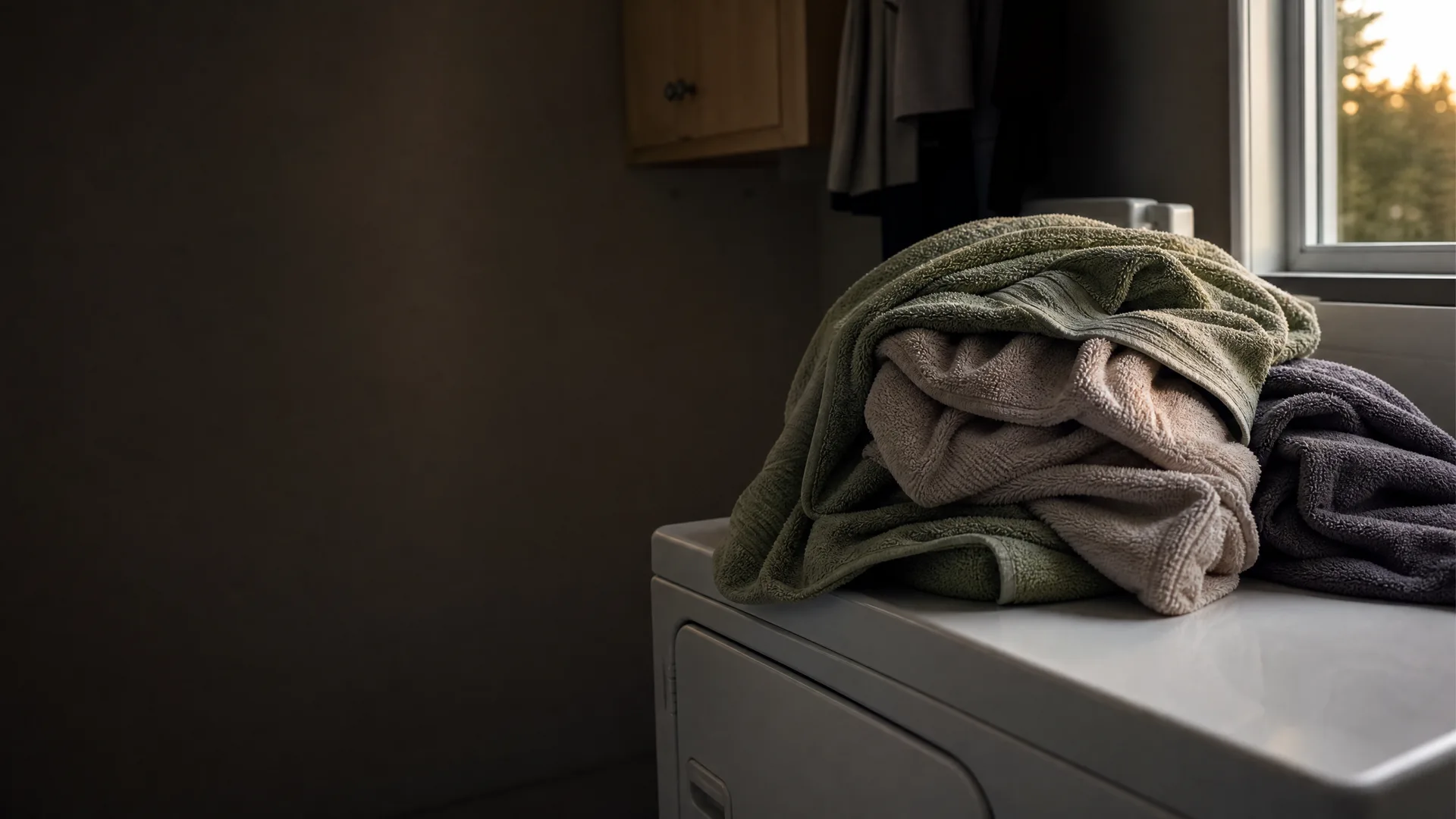
It's almost nine on a Tuesday and the dryer has been running since before dinner. You open the door and the towels on top are still damp, heavy in your hand, cooler than they should be after that long. You pull them out anyway and pile them on the lid, figuring you'll run them again once the load underneath finishes. The room smells faintly warm, like dust sitting too close to heat. Outside, the vent hood sits quiet against the Cuyahoga County night air, and you haven't thought about it once, not in all the loads you've run this week.

Every extra cycle is electricity you didn't need to spend, and in Cuyahoga County that's not cheap. A load that runs twice draws power the whole second time, heating element and motor both working, for clothes that were already most of the way dry. Over a year of laundry, that adds up on the bill in a way a clean vent wouldn't.
There's wear on top of the cost. A dryer pushing air through a packed duct runs hotter than it should, and the heating element takes that strain every single load. If you'd rather not guess whether it's a bend in the duct, a clogged hood, or something further down the line, the next step is getting someone out to look at the actual vent in your actual house. Once that's set up, you're not the one chasing it down anymore.

At 2.2 people, most houses here aren't running loads back to back all day. So if drying is dragging, it's not because the dryer never gets a break. A duct that's partly blocked slows every load the same way, whether you run one a day or five.
ACS 2020-2024
A dryer that needs two cycles to do one load's work has a blocked vent, not a weak motor. Clearing that duct is what brings the dryer back to drying a load in the time it's supposed to take. You don't have to figure out where the clog sits or how many bends are choking the airflow. A contractor who works on vents in Cuyahoga County homes can find that and clear it. Once you send the request, that part stops being something you have to solve yourself. No more running a load twice and hoping the third try comes out dry. No more checking if the top of the dryer is hot or if the laundry room smells warm. You'll have someone who does this looking at your vent, and the answer to why it's taking so long stops being a guess.
Get your dryer vent to the right pro