
Dryer Vent Cleaning in Lancaster, OH
Tell us about your home, and a licensed contractor who covers Fairfield County will get in touch.
Tell us about the job
It takes about a minute.
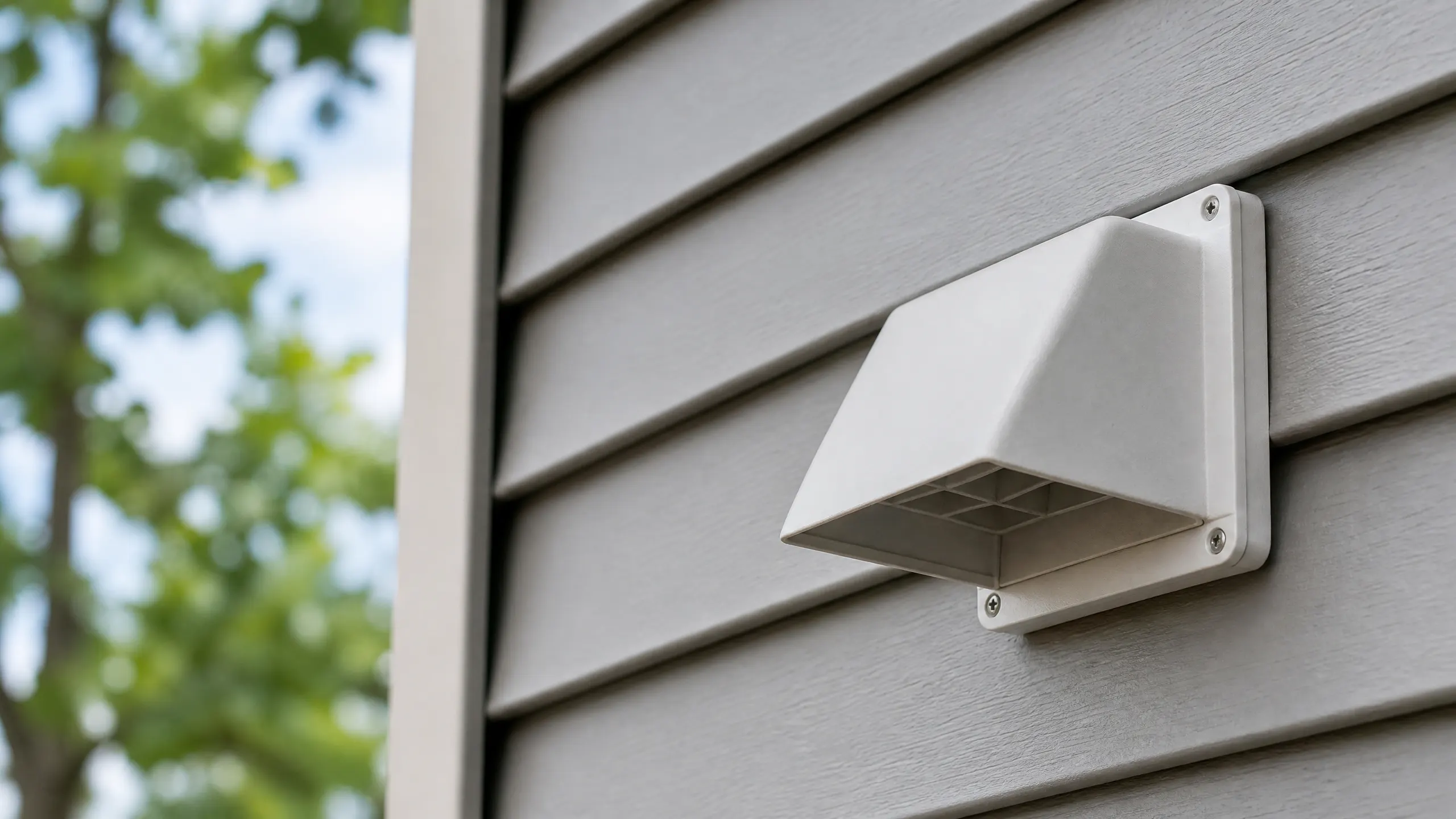
Cold nights turn dryer lint into a wall inside your vent
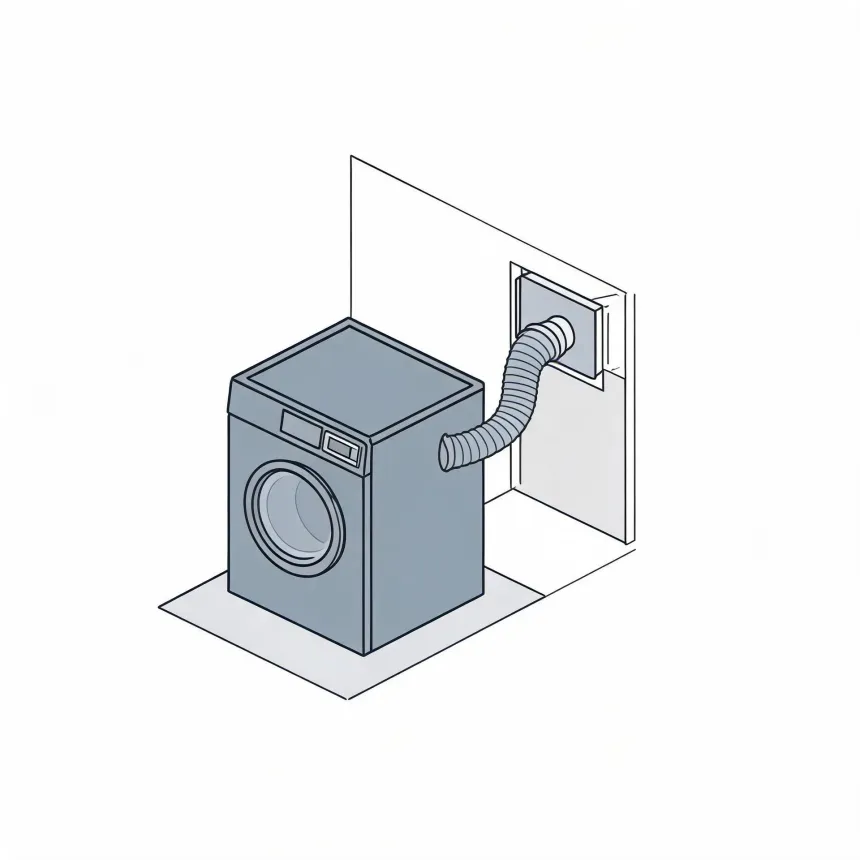
Your dryer pushes out warm, damp air every time it runs. That air has to travel through a vent that sits in cold space, behind siding or through an unheated wall. On nights that average 24°F, the vent cools fast, and the moisture in that exhaust air lands on the inside walls of the duct before it ever makes it outside.
Lint sticks to a damp surface a lot better than a dry one. Once it starts building up, more lint catches on what is already there, and the vent narrows. Air that cannot get out backs up into the duct and the dryer itself, which is how a slow clog turns into a fire risk instead of just a longer drying time.
- 24°F
- the average winter night, and cold vents catch damp lint
- 8 months
- October through May, the vent stays cold
NOAA nClimDiv, 1991–2020 normals
- How often should a dryer vent be cleaned?
- Once a year is the standard for most households. If you dry a lot of loads each week, or you have a large family running the dryer daily, cleaning it more often keeps lint from building up between visits. A vent that runs long or has several bends also collects lint faster than a short, straight one, so that setup may need attention sooner.
- Can I clean my dryer vent myself?
- You can clean the part you can reach, but that is usually only the first few feet. The lint trap you clean every load only catches what passes through it. What builds up is farther down the duct, at the bends and at the vent hood outside, and reaching that takes a brush system sized to the duct and run the full length of it. A contractor who does this regularly can clear the whole run and check that the vent hood flap opens freely once it is done.
- What are the signs of a clogged dryer vent?
- Clothes coming out hot but still damp after a full cycle is the clearest sign. Others are a dryer that runs noticeably longer than it used to, a burning smell while it runs, and the vent hood outside barely moving air when you hold your hand near it. Lint around the dryer's exterior vent opening is another sign worth checking.