One load at a time
Every cycle leaves lint behind in the duct. It doesn't blow all the way out, so the buildup is steady, not occasional, even if you clean the lint trap every time.
Clean your dryer vent once a year in Ohio. Lint builds up inside the duct every time you run a load, and once it packs in tight, the dryer has to push air through a narrower path to get outside. That makes it work harder and run hotter. Most homes here heat with gas, but the dryer itself still runs on electricity, and a clogged vent means more cycles to get clothes dry and a higher bill either way. Summers get sticky in Ohio, and humid air already slows down drying, so a vent that's restricted on top of that leaves clothes coming out damp or taking two cycles instead of one. If your dryer run longer than it used to, or the outside vent flap barely moves when it's running, that's usually lint, and it's worth checking before the ductwork is packed solid.




Every cycle leaves lint behind in the duct. It doesn't blow all the way out, so the buildup is steady, not occasional, even if you clean the lint trap every time.
Vents that run farther from the dryer to the outside wall collect more lint along the way. If yours bends or runs long, that's more surface for lint to catch on.
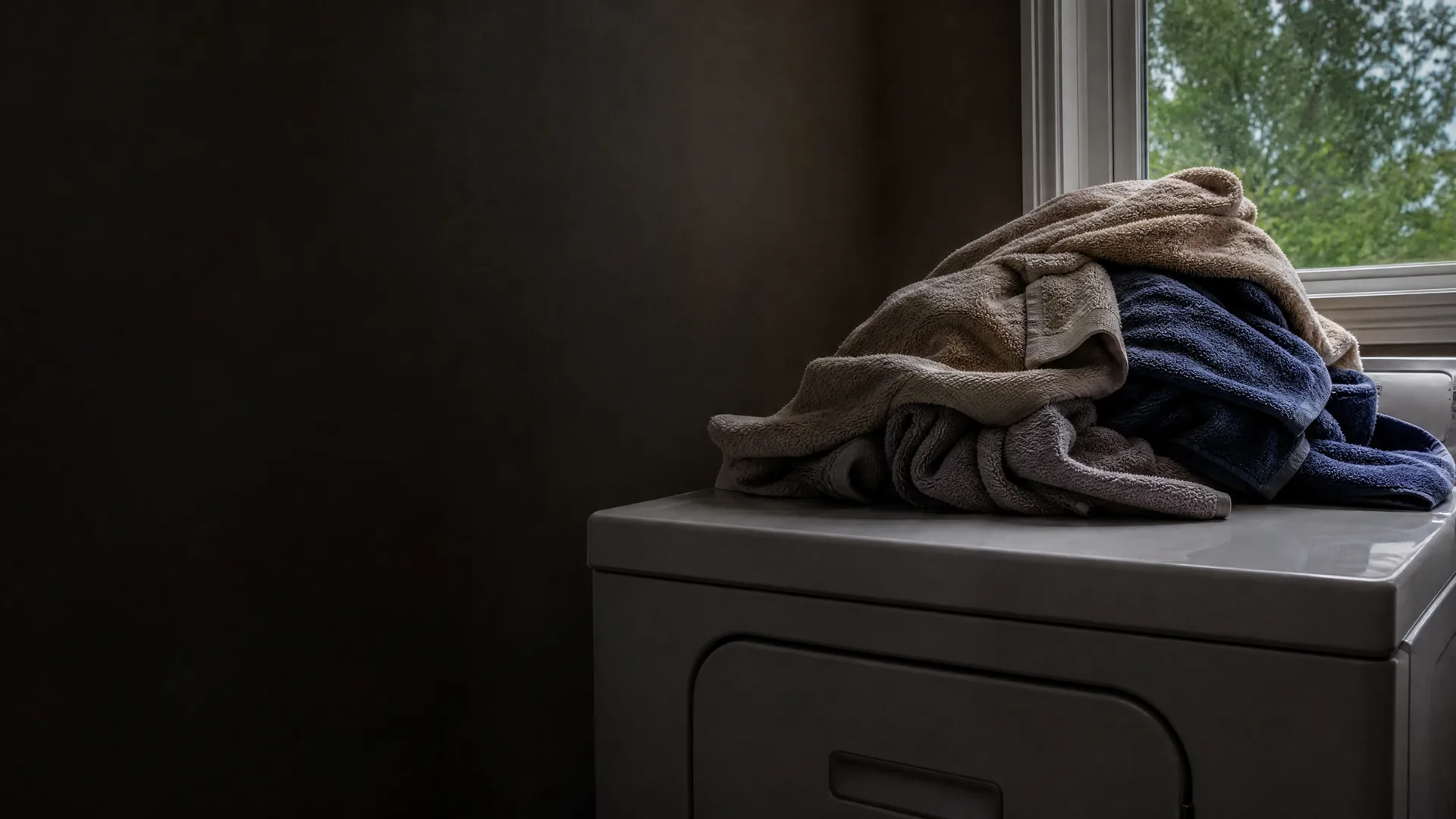
You're in the laundry room after dinner, trying to get one more load dry before bed. It's humid out, the kind of August evening where the house holds onto the air even with the windows shut. You open the dryer and the towels are still damp, heavier than they should be after a full cycle. You run it again. Forty more minutes and they're still not right, just warm and heavy on top of the machine. The room feels warmer than it should, too, like the heat has nowhere to go. You check the lint trap, it's clean, you already emptied it. Somewhere past that trap, the air isn't moving the way it used to.


Towels that used to dry in one cycle now need a second. The dryer runs hot to the touch partway through, and the laundry room picks up a warm, faintly burnt smell it didn't have before. You might notice the top of the dryer is warmer than usual, or that the outside vent hood barely stirs when you hold your hand near it during a cycle. These are signs the duct is restricting airflow, not signs the dryer itself is wearing out. Left alone, the lint packed inside keeps the heat from escaping the way it should, and that heat has nowhere to go but back into the machine and the room around it.
A dryer vent is easy to put off because nothing looks wrong from the laundry room. The hood outside tells a different story, and so does the extra cycle it's taking to get towels dry. Once a year keeps the duct clear, but checking it yourself means getting on a ladder or crawling behind the dryer, and most people don't know what a packed vent looks like versus a clean one until they've seen both. A contractor who clears vents all over Ohio every week knows the difference at a glance, and knows how a longer run or a humid summer changes what he's looking for in your setup specifically. Getting matched means one local contractor looks at your vent, not a handful of companies bidding for the job. That's less to manage on your end, and it puts the work in front of someone who already knows what tends to fail in a house like yours before he's even seen it.
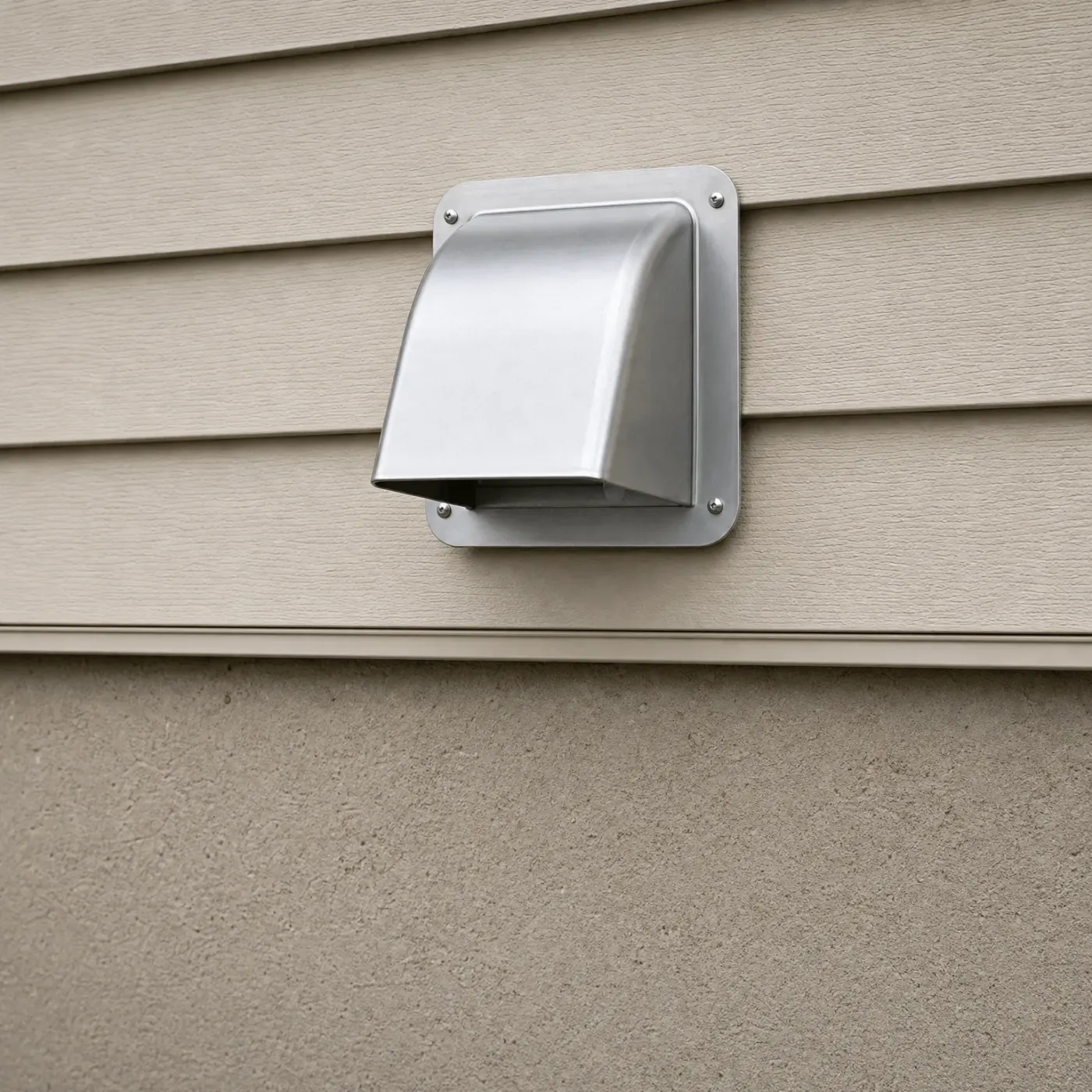
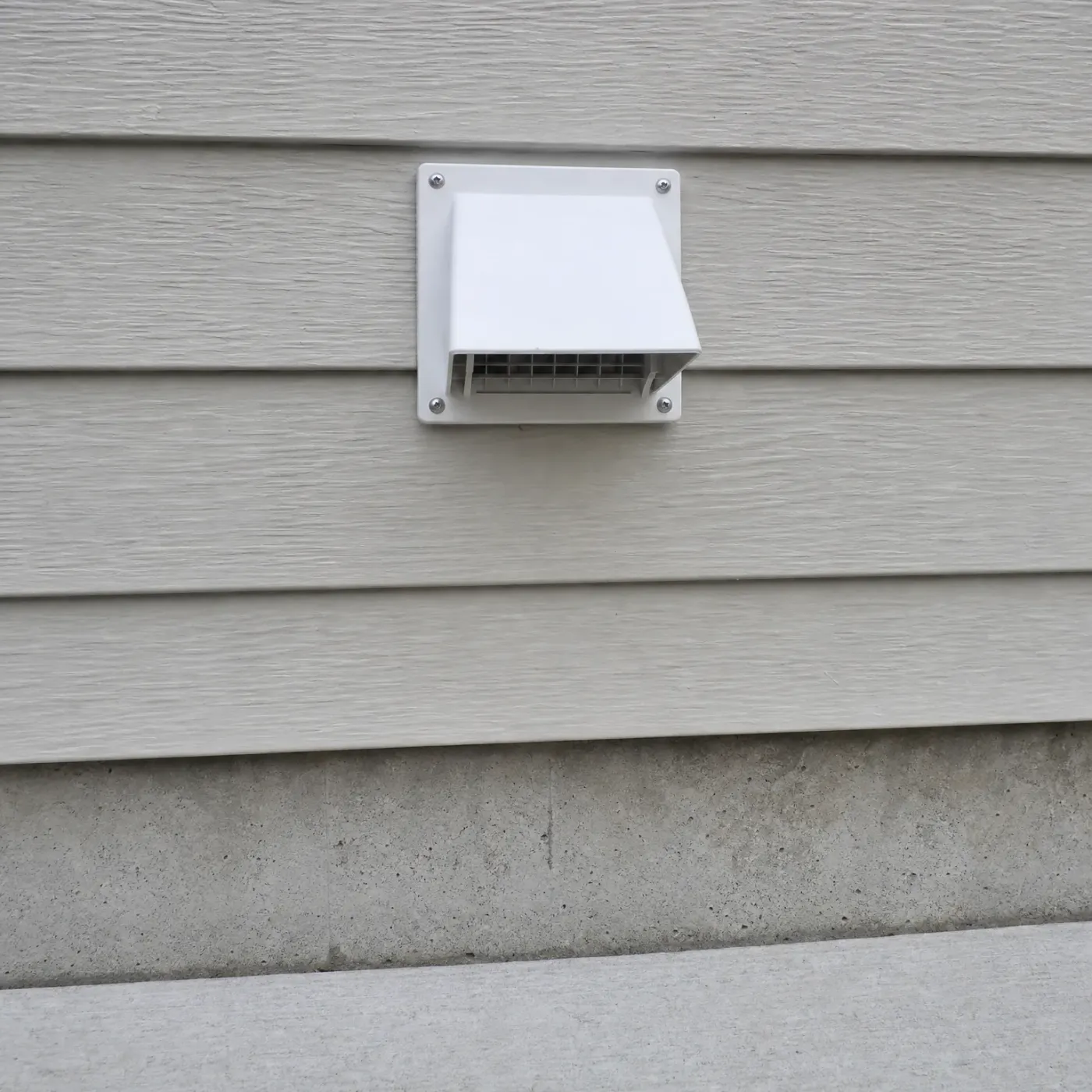
Air passes straight through the cap and out, with the screws still tight on the backplate. Nothing slows the exhaust down, so the dryer runs one cycle and shuts off instead of working past its own backup.
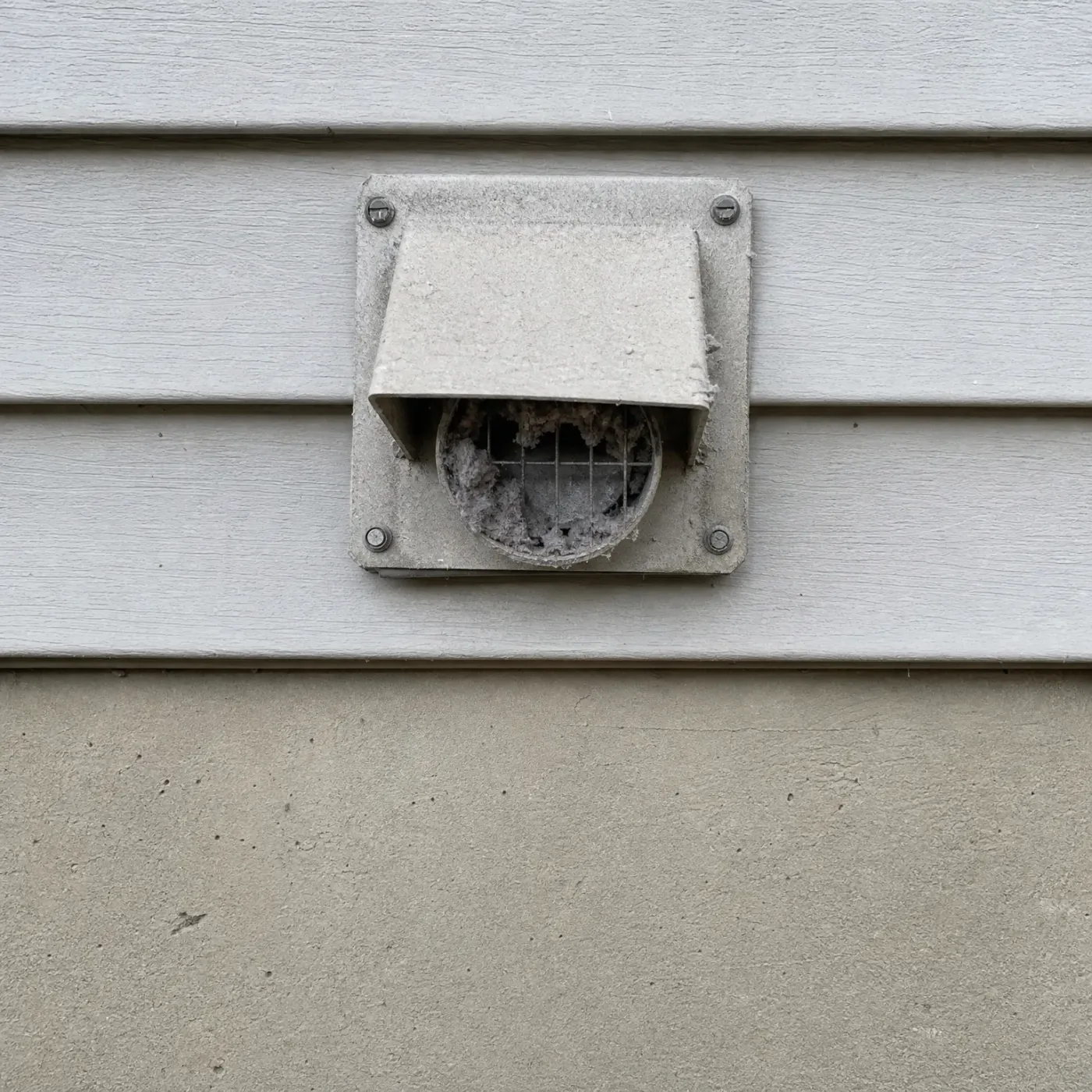
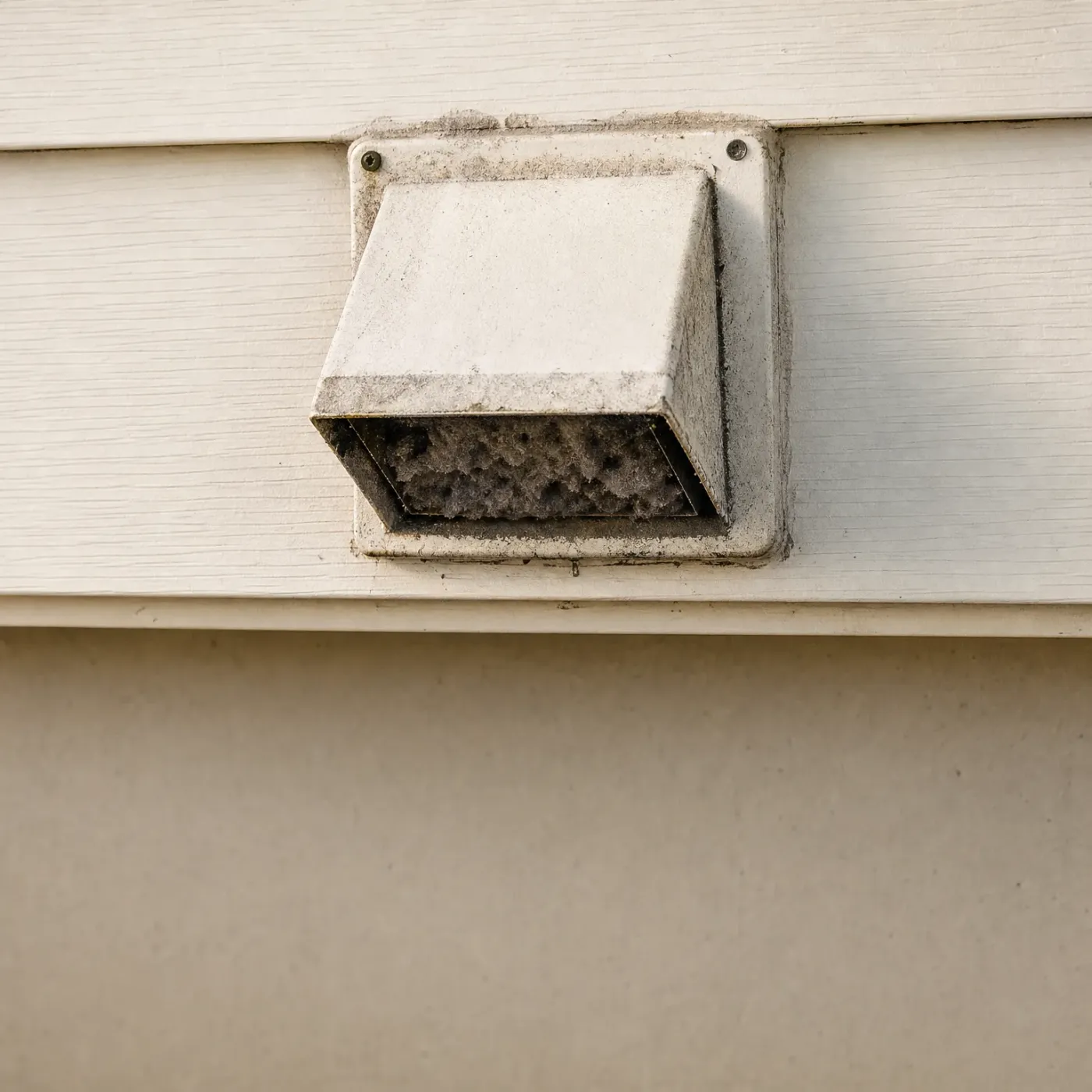
The mesh across this opening has gone gray with lint, and what's left for air is a few open gaps. A contractor who checks a vent like this usually finds the duct packed solid well past the cap.
At 16.90 cents a kilowatt-hour, a dryer pushing against a clogged vent costs you more to run every time it takes a second cycle to finish. A clear vent gets towels dry in one pass, so the dryer draws power once instead of twice.
EIA-861 2025 statewide residential average
You can pull the dryer out, disconnect the duct, and vacuum out what you can reach from both ends. That gets the lint sitting near the dryer and near the wall cap. It won't reach the middle of a long run, or around any bends in the duct, and most laundry rooms aren't set up to pull the dryer out often. It also means doing this again next year, and the year after, on your own schedule, which is easy to push back a few months when nothing looks wrong yet.
A contractor who works on vents every season brings a brush and rod system built to clear the full run, bends included, not just the ends you can reach by hand. They'll know from the hood and the duct length what tends to fail first in a run like yours. Matching with one local contractor means one visit, one person who knows the job, instead of fielding calls from several companies trying to win the work.



Clean the vent once a year and the dryer stays out of your way. One cycle dries the towels, the laundry room stays cool, and the hood outside keeps blowing straight out instead of fighting its own lint. That's the whole answer. What changes year to year is what shape your vent is in when someone gets to it, especially with a long run or a few tight bends between the dryer and the wall cap.
A contractor who works on vents like yours all over Ohio has seen what a summer of humidity does to a duct that's gone unchecked, and what a straight ten-foot run looks like next to one with three turns in it. Get matched with someone local who does this work in your area and knows what to check first, and they'll reach out to look at your setup specifically, not a general case.


Your request stays with one local pro.