
8 to 10 times a day
That's about how often a furnace blower cycles air through your ducts on a cold day, carrying loose dust and pet hair back into every room it reaches.
Dust coming back on furniture and floors within a day or two of cleaning is the clearest sign your ducts need attention. So is a musty smell when the furnace or AC kicks on, a sign of dust or mold sitting inside the vents. Rooms that stay dustier than others, or that never seem to heat or cool evenly, often point the same way, especially if your system came with the house and the ducts have never been cleaned. Lucas County homes run the furnace hard through a cold winter and the AC hard through a sticky summer, and that pushes a lot of air through the same ducts, month after month, carrying dust and pet hair into the system every time. If anyone in the house has started sneezing more at home than elsewhere, or you can see dust around the vent covers themselves, the air moving through your home is carrying more than it should.
Half the homes here were built by 1963
Half the homes in Lucas County were built in 1963 or earlier, per Census data, and older duct runs have had more years to collect dust and debris.
Heat runs October through May
Furnace ducts here are moving air about eight months a year, October through May, which gives dust plenty of chances to settle and recirculate.
Cooling runs June through August
The AC uses the same ducts June through August, so whatever built up over winter gets blown through the house again all summer.
ACS 2020-2024 · NOAA nClimDiv 1991-2020
Pull a vent cover and look inside with a flashlight. A thin gray film on the metal is normal; air moving through a duct for years will leave some dust behind no matter how clean the house is. That's not a reason to call anyone. What's different is clumps of dust, pet hair matted around the register, or debris you can see sitting an inch or two back into the duct. If you can see material resting on the bottom of the duct rather than just coating the sides, that's buildup, not film, and it's the kind of thing that keeps shedding into the room every time the blower runs.
If every room collects dust at roughly the same pace, the ducts probably aren't the issue, since a return or supply problem usually shows up unevenly. One room that's noticeably worse than the rest points to something local to that run: a loose connection, a gap where a duct meets the register, or a section further back collecting more than the rest of the system. Check whether the dusty room is also the one furthest from the furnace, since long runs get the least airflow and the most chance for gaps. If the whole house is affected evenly, look at the filter and the return first, not the ductwork itself.




Air doesn't just pass through a duct and leave nothing behind. A furnace blower cycles return air through the system dozens of times a day, and anything loose in that metal, dust, dander, fiber, rides along and lands back in the rooms it feeds. That's why one vent can blow noticeably weaker than the rest on the same run. It's not always a closed damper. A section can collapse, or debris can build up enough to choke the airflow down. Moisture is its own problem. A leaky seam or a condensation line near the AC coil lets water sit where it shouldn't, and that's usually where mold gets started inside a duct. In a crawlspace, gaps at the plenum or around vent boots give rodents and insects a way in, and what they leave behind doesn't stay put either. Older duct liners add another wrinkle: the fiberglass insulation inside them breaks down with age and can work its way out through the vents as fine fibers, not just dust.


If you've checked the vents and found real buildup, or someone in the house is sneezing more than usual with no other explanation, you already have your answer. Chasing it down from here means finding a duct cleaner in Lucas County who actually does this work, not just furnace repair on the side, then getting someone out to look at what you've got and giving you a straight price. That's calls during the day when you'd rather not be on the phone, and explaining the same thing more than once. Toledo winters mean that furnace running for months with air moving through those same ducts the whole time, so whatever's built up in there keeps circulating until someone deals with it. Send the request and that search is off your plate. One contractor gets it, not five, and you're not the one tracking down who's even available this week.
Take off a return vent cover, not just a supply register, since return ducts pull air from the whole house and show buildup faster. Clumps of dust matted against the screen, or dust that puffs out when the furnace kicks on, mean debris is loose enough to move through the system. A vent that whistles or rattles can mean dust has narrowed the opening enough to change the airflow.
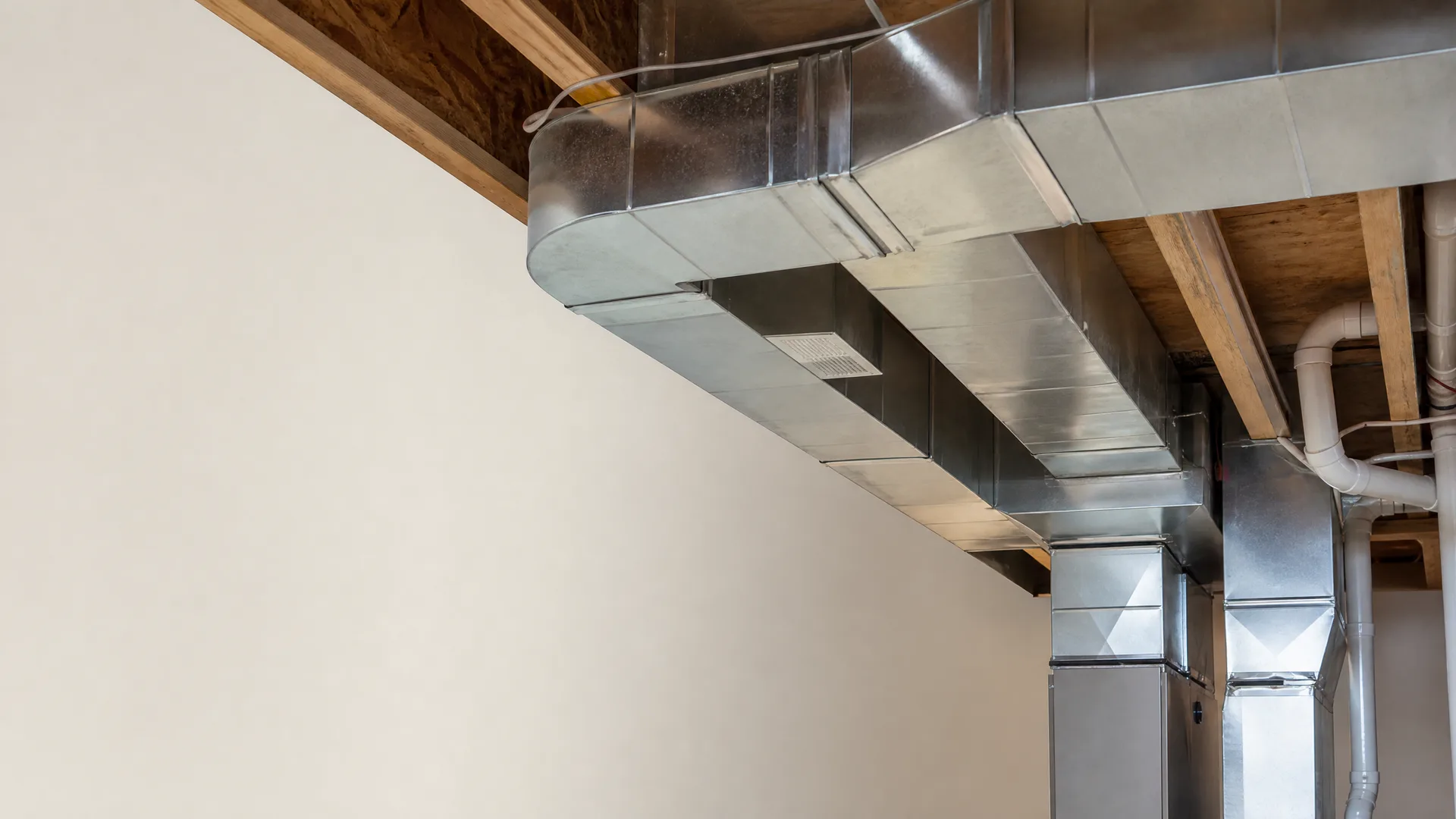
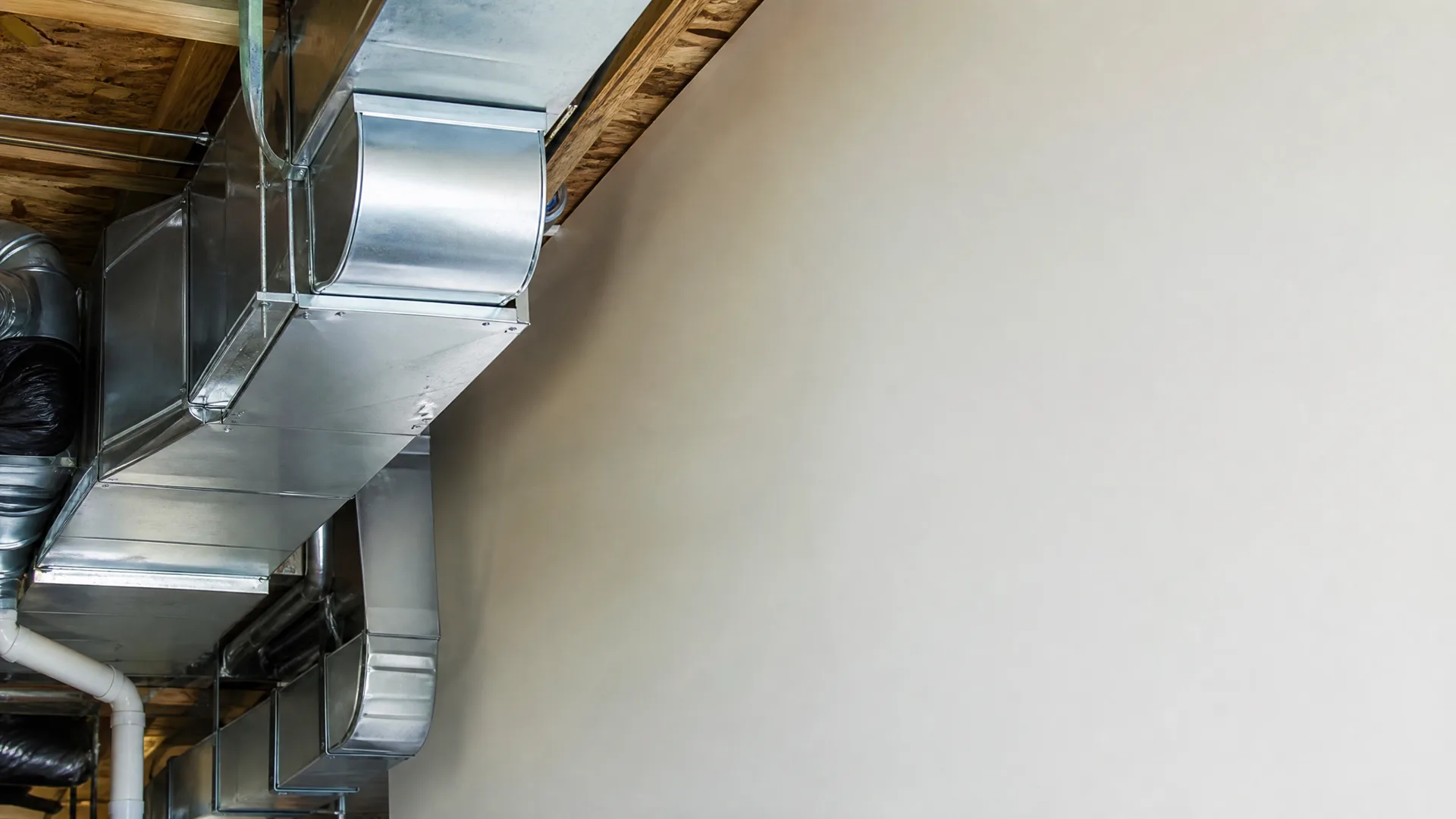
Ductwork runs through places no one cleans: joists, wall cavities, the space above a drop ceiling. Every seam and elbow is a spot for dust to settle out of moving air, and sheet metal seams loosen slightly over the years as the metal heats and cools with the furnace and AC. That's where a shop vac or a swipe with a rag can't reach, and it's why the dust keeps coming back no matter how often the house gets cleaned.
Dogs and cats shed year round, and that hair and dander doesn't stay on the floor. A return vent pulls it in along with everything else in the room, and it builds up faster than it would in a house without pets. If you've got a furry housemate, it's worth knowing whether that changes how often the ducts need attention, or whether the general advice still holds.
Pet dander is finer than household dust and it rides the airflow more easily, so it collects in the ducts faster in a home with pets than in one without. Hair is the bigger problem at the vent itself. It gets pulled toward the return, catches on the screen, and over time mats into clumps that block part of the opening. That doesn't mean a fixed schedule, since how fast it builds up depends on how many animals are in the house and whether they're shedding heavily. Pull the return vent cover and look. If there's hair matted against the screen or a layer of dander on the duct walls a few inches in, that's buildup worth dealing with, pets or not.
Technician inspects every vent and the furnace blower compartment first.
Vacuum hoses connect to each supply and return duct in turn.
A powerful vacuum pulls air while brushes knock debris loose.
Negative pressure draws loosened dust through the hose to collection.


That's about how often a furnace blower cycles air through your ducts on a cold day, carrying loose dust and pet hair back into every room it reaches.
Nothing clears out on its own. The same dust and dander keep resettling on furniture and bedding until someone pulls the ducts clean.
At that rate, a furnace blower that runs for hours on a cold day isn't cheap to operate, and dirty ducts make it work harder to push the same air through your house. Clean ducts don't cut your bill by themselves, but they stop restricted airflow from adding to one already this high.
EIA-861 2025

This is what a duct system looks like when it's not working against you. Bare metal, no buildup along the seams, nothing clinging to the flex pipe. Air moves through clean and comes out the vents the same way.

Dark grime coats the sheet metal and keeps building. Every time the blower kicks on, it's pushing air through that layer instead of clean duct. Pull a vent cover near ductwork like this and you'll likely find the same film inside.

Pull a vent cover, look at the metal, and you'll know. Dust that returns within a day or two, a musty smell at startup, clumps caught against a return screen: any one of those means the ducts are feeding the problem instead of carrying clean air. A light gray film doesn't count. Real buildup does.
Once you've seen it, the next step isn't figuring out who to call first. It's skipping the part where you search listings, call a few numbers, explain the same thing three times, and sort through quotes that don't say the same thing twice. Send this one in and that work is off your plate. You already know what you're dealing with. Someone else can take it from here.

Answer a few questions about the duct cleaning and skip the search.